
The Loire Valley, just 1.5 hours from Paris, offers an unparalleled blend of Renaissance history, architectural grandeur, and magnificent gardens. This region allows visitors to step back into the world of French royalty and explore remarkable estates built by monarchs and nobility. The entire Loire Valley landscape, stretching 280 kilometres between Sully-sur-Loire and Chalonnes-sur-Loire, is a UNESCO World Heritage Site. This designation encompasses the region’s cultural landscape, including many of the major castles within this geographic corridor. For travellers without a car, a 48-hour itinerary that starts and ends in Blois offers an excellent opportunity to explore.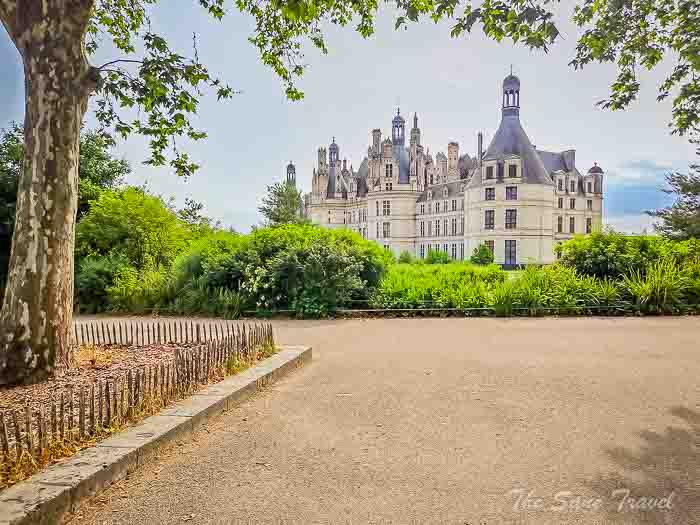
Day 1
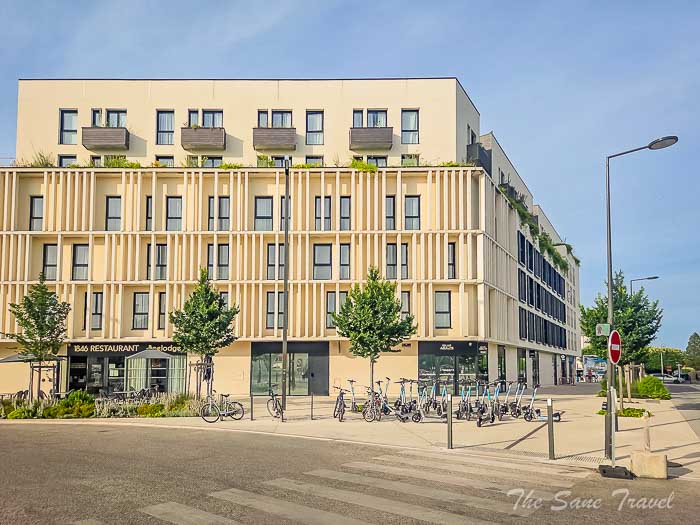
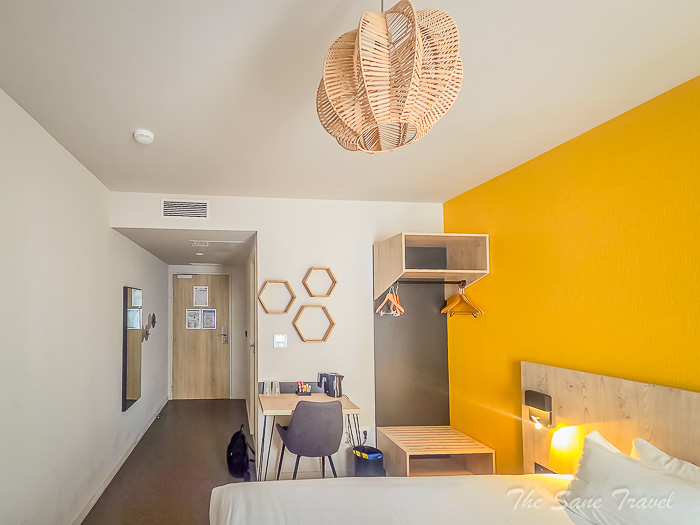
Begin your journey by taking the 5:37 pm train from Paris Austerlitz to Blois, arriving at 7:11 pm. Upon arrival, check into your accommodation and take a leisurely stroll around Blois. I stayed at the Beelodge Hotel Blois Centre, conveniently located next to the train station, which simplified my travel arrangements.
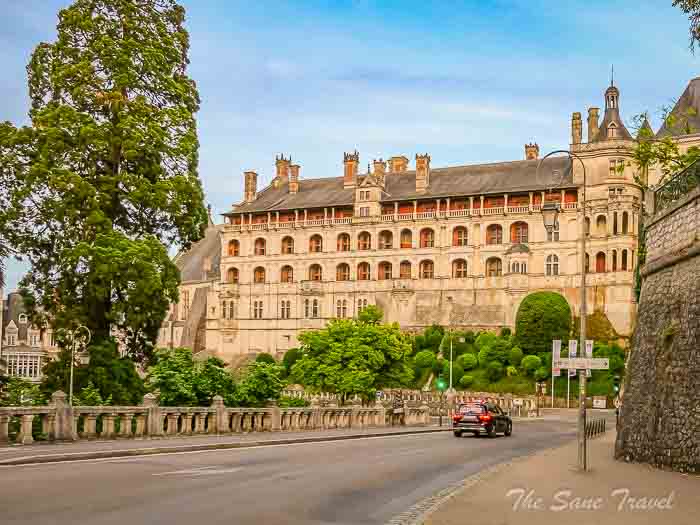
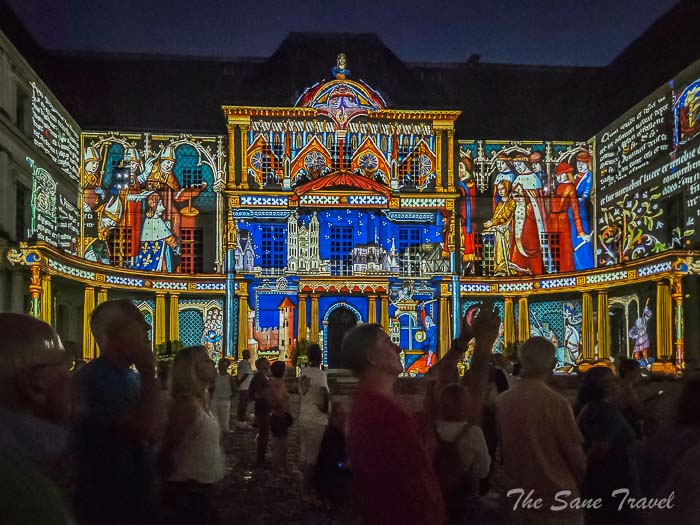
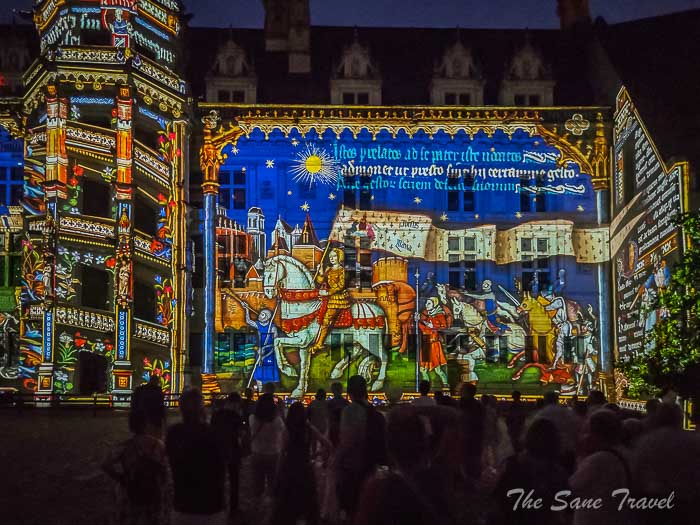
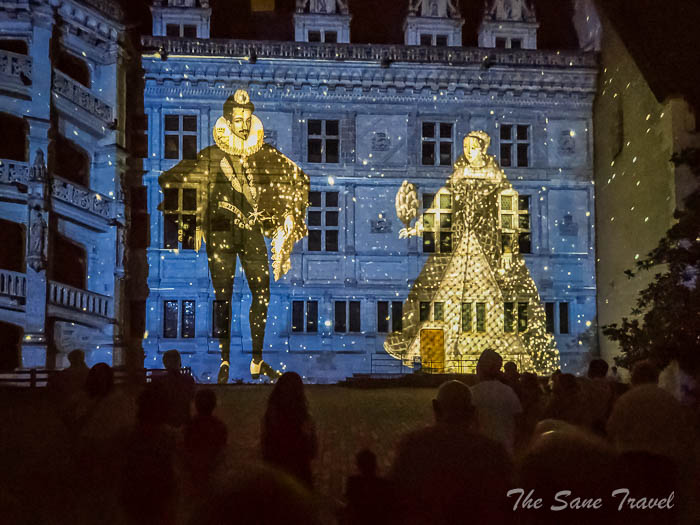
If you are visiting between April and September, attend the sound and light show at the Château Royal de Blois. This 45-minute evening projection show, held in the castle courtyard at 10:30 pm, showcases the château’s history and magnificent architecture. Known as “The Story of Blois”, it has been entertaining visitors for more than 25 years. In 2018, a new version incorporating the latest technologies was introduced, featuring lighting effects that enhance the buildings’ forms alongside immersive sound design. The show brings to life the history of the Château Royal de Blois, once home to counts, dukes, kings, queens, and princes. I recommend this show as a great way to learn about the history of France and the Loire Valley castles..JPG)
Day 2
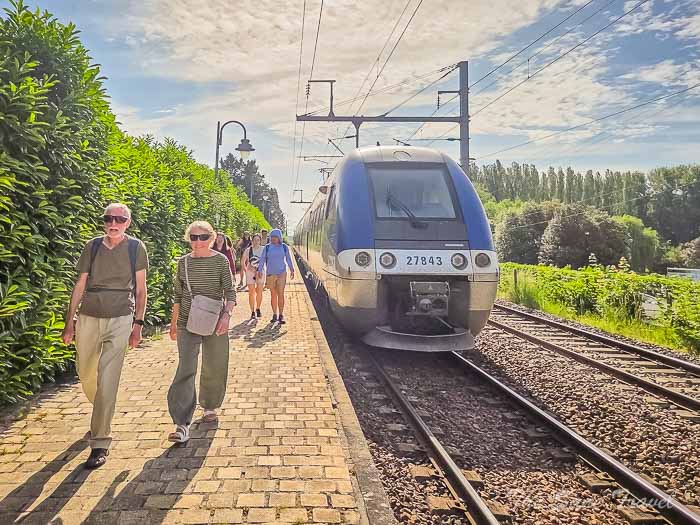
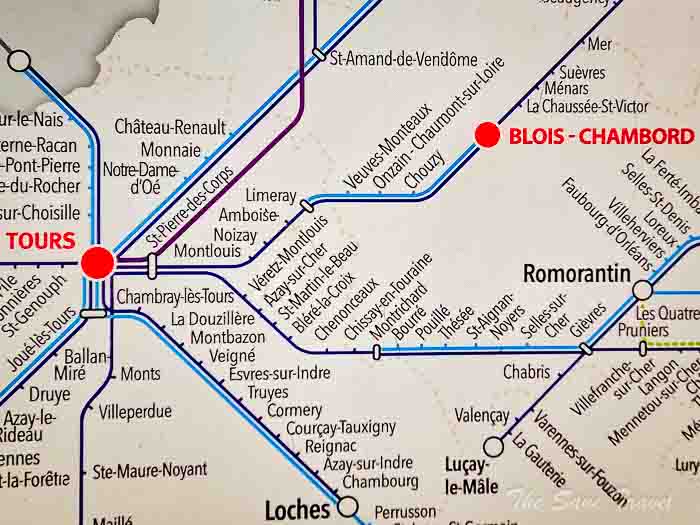
On day two, take the 8:15 am train from Blois–Chambord to Saint-Pierre-des-Corps, arriving at 8:49 am. Enjoy a short break at Saint-Pierre-des-Corps before continuing your journey. Next, take the 9:36 am train to Chenonceau, arriving at 9:55 am, and explore the magnificent Château de Chenonceau.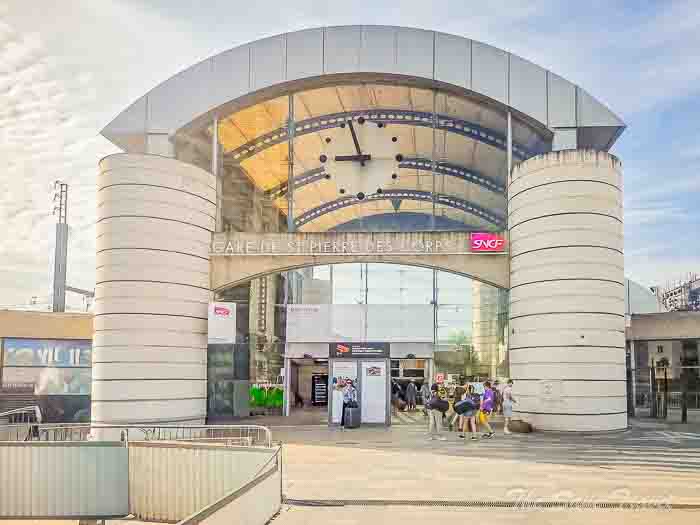
Château de Chenonceau
Fondly known as the Château des Dames (Ladies’ Castle), the Château de Chenonceau has a history deeply intertwined with remarkable women. Originally acquired by the French crown in 1535, it was later gifted to Diane de Poitiers by Henry II. After the king’s death, Catherine de’ Medici claimed the château for herself. The estate survived the French Revolution thanks to Louise Dupin, and later gained renown as a literary salon during the Enlightenment. More recently, it served as a military hospital during the First World War and a vital crossing point to the free zone during the Second World War. Now open to the public, the château is renowned for its stunning reflections in the River Cher, lavish interiors, and the influential women who shaped its legacy. 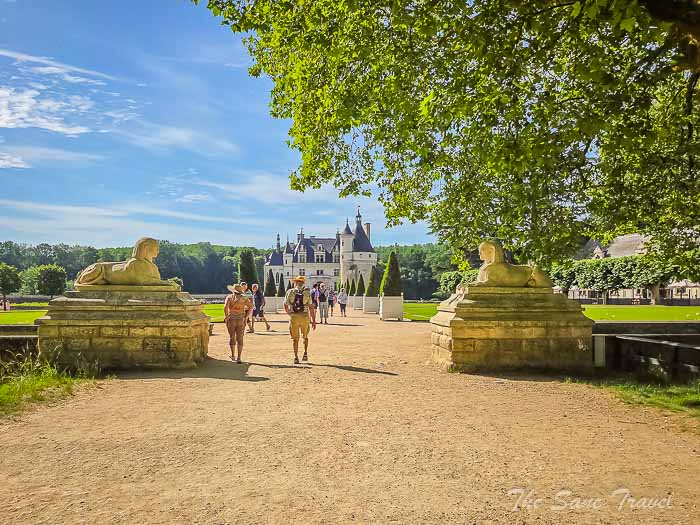
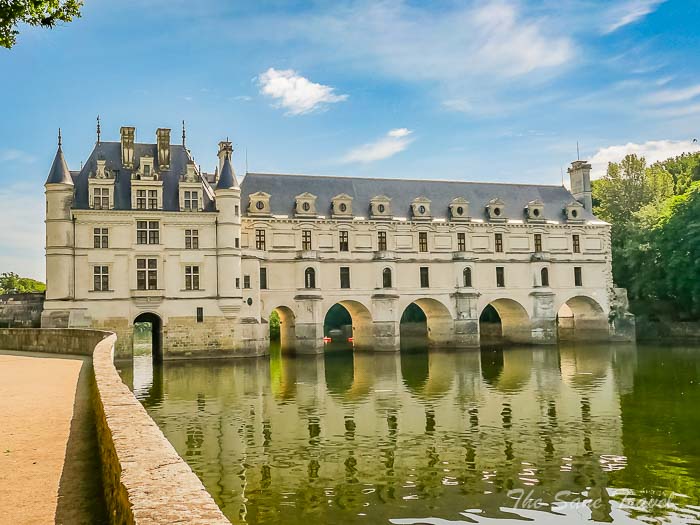
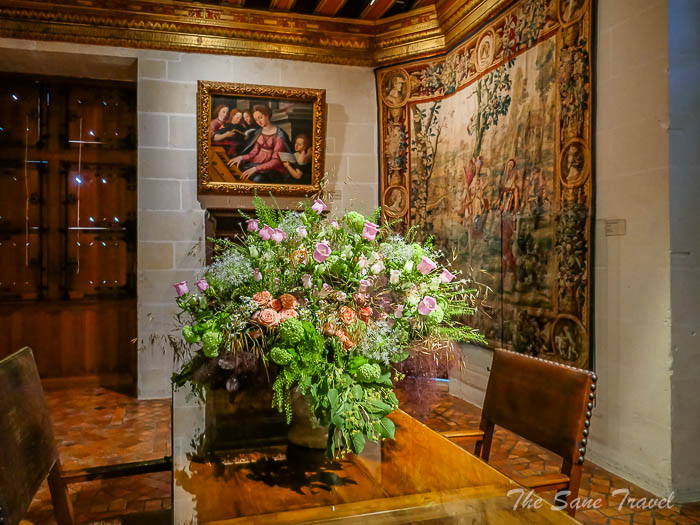
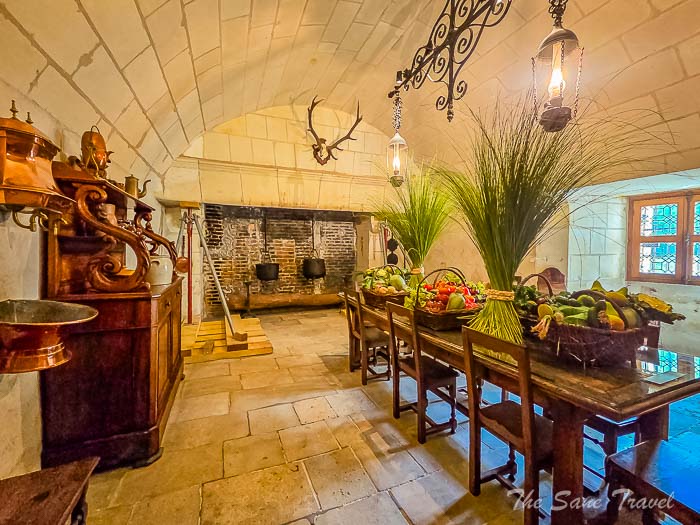
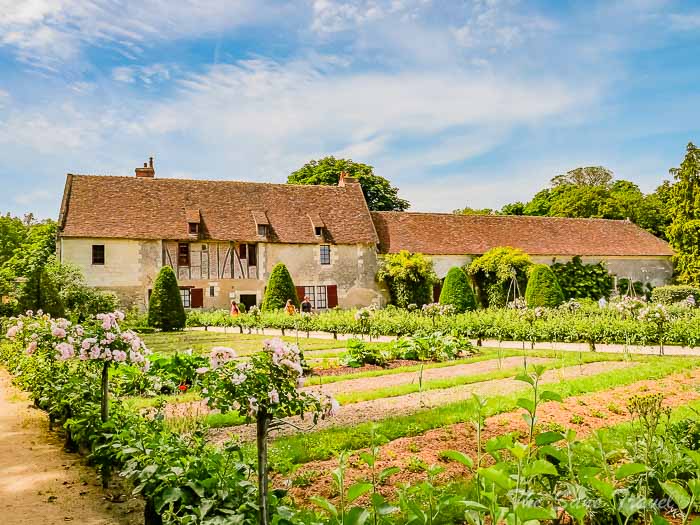
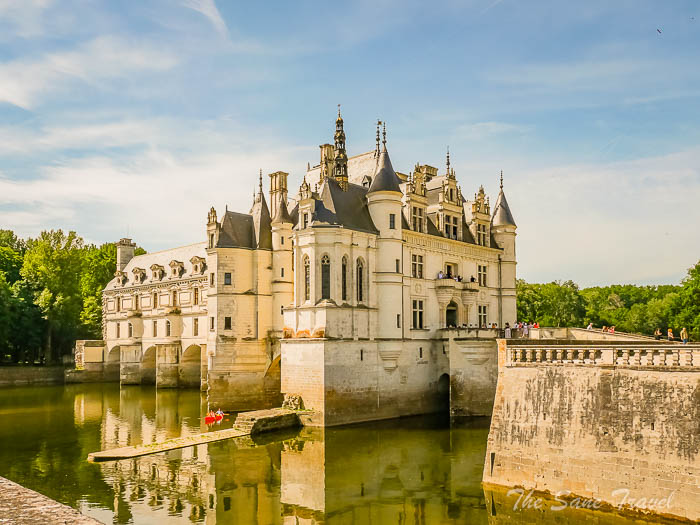 The iconic two-storey gallery spanning the river is a highlight, as are the meticulously maintained gardens designed by Diane de Poitiers and Catherine de’ Medici. Inside, the château features Flemish tapestries, Renaissance furniture, and paintings by masters such as Rubens and Van Dyck. Visitors can also explore authentic Renaissance kitchens, sample local wines in the cellars, and dine at the Orangerie restaurant.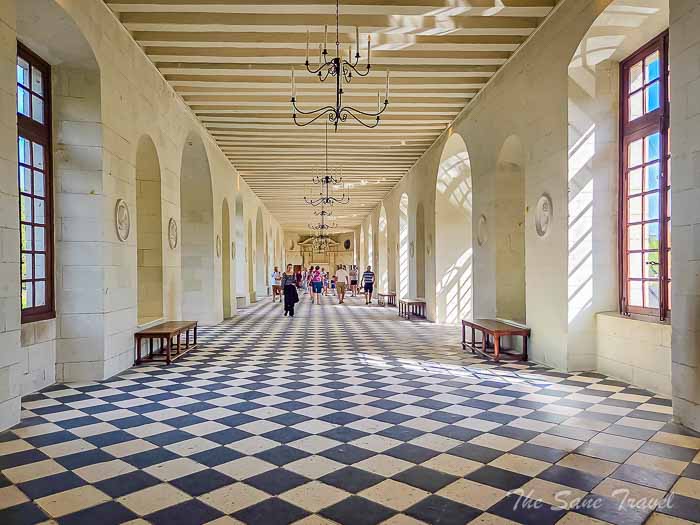
 While the castle itself can be crowded with tour groups, the beauty and history of Chenonceau are truly captivating.
Practical Information
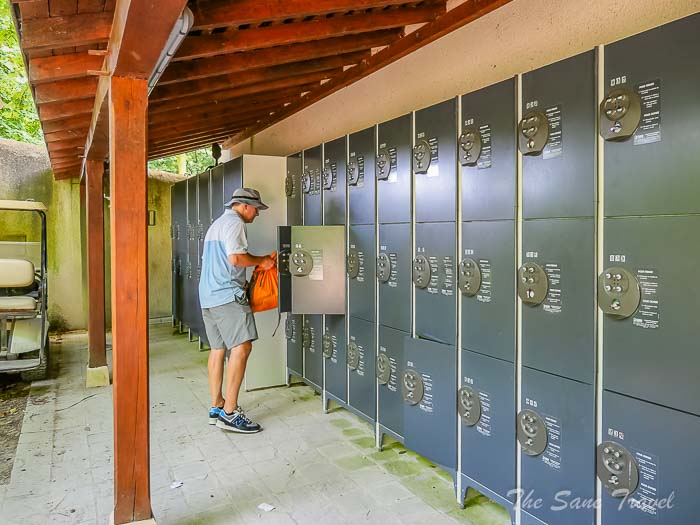
The château is open every day of the year, typically from 9:30 am to 5:00 pm, with extended hours during the summer. Senior tickets are available for visitors aged 65 and over. Free luggage lockers are provided if you prefer not to carry your backpack around the château grounds.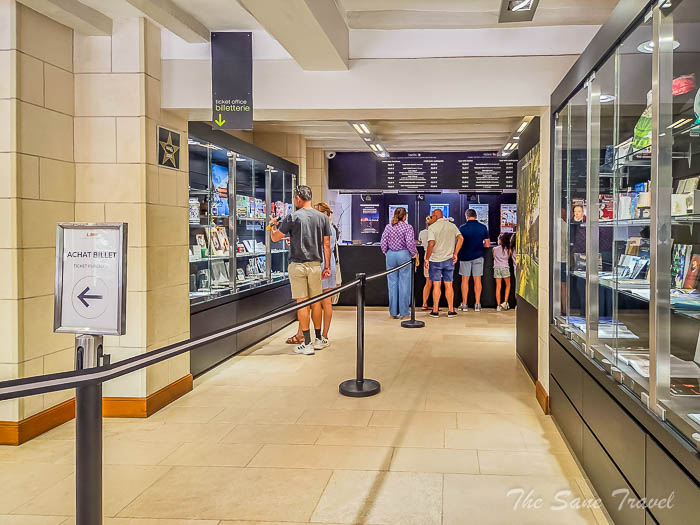
Plan to conclude your visit and be at the castle gate by 1:00 pm to catch the tourist bus to Amboise at 1:20 pm.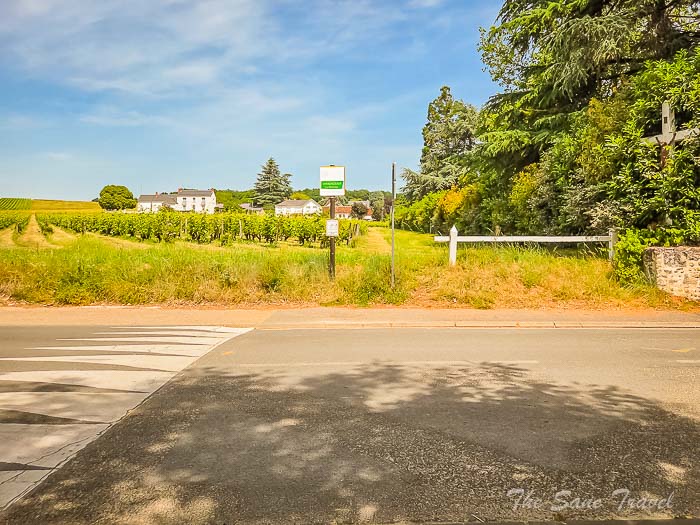
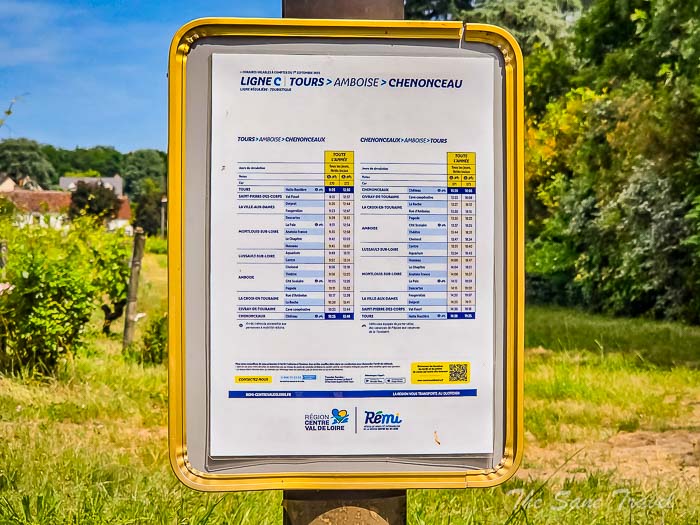
At 1:20 p.m., I boarded Bus C to Tours from the châteaux bus stop, conveniently located opposite the tourist information centre, just a five-minute walk from the castle entrance. I arrived at the Amboise Théâtre bus stop at 1:44 pm. The bus journey was a real time-saver, especially given how tricky it is to reach the Château de Chenonceau by public transport. Amboise itself was a delightful surprise – a rare gem on this trip that genuinely deserved more of my time. From the bus stop, it was about a 20-minute walk to the Château du Clos Lucé, Leonardo da Vinci’s final home in France.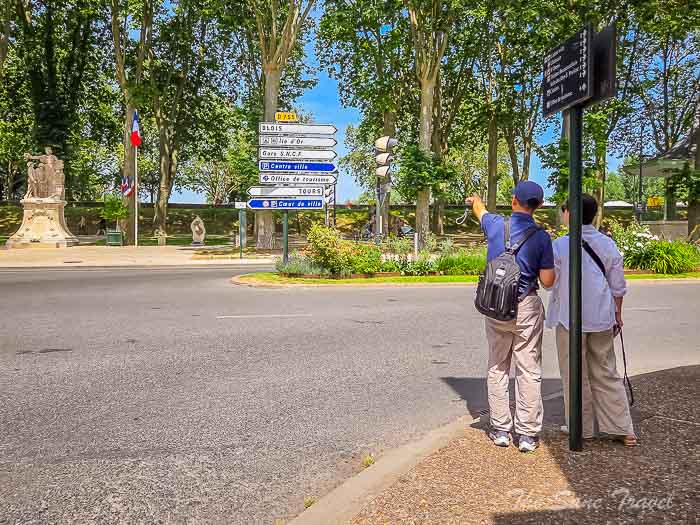
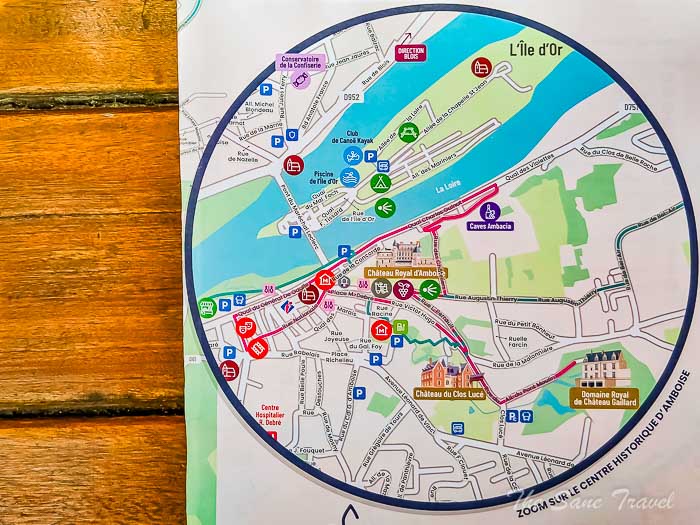
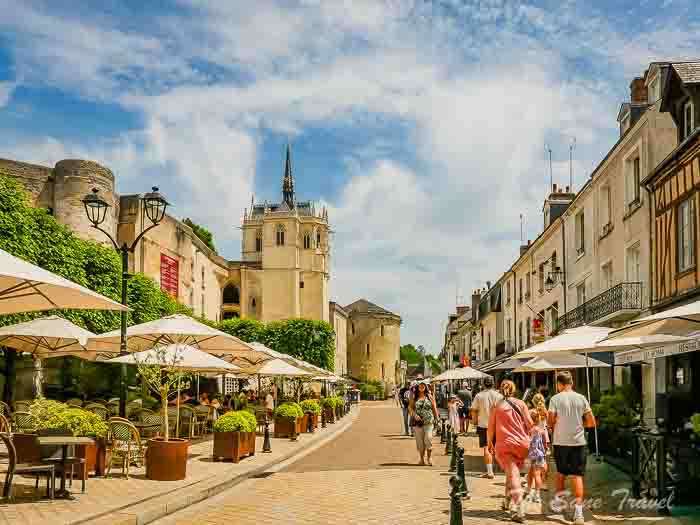
From 2:05 pm to 4:30 pm, I immersed myself in the wonders of the Château du Clos Lucé.
Château du Clos Lucé
Invited by King Francis I in 1516, Leonardo spent the final three years of his life at the Château du Clos Lucé before passing away in 1519. The estate is a treasure trove, featuring the historic château, captivating digital exhibition galleries, and expansive Leonardo da Vinci Park. Inside the château, I explored Leonardo’s faithfully reconstructed bedroom, where he spent his final years, as well as his studio and private library. I also wandered through the beautifully restored rooms of French queens, including Anne de Bretagne’s oratory and Marguerite de Navarre’s bedroom, and even saw where the master’s meals were prepared.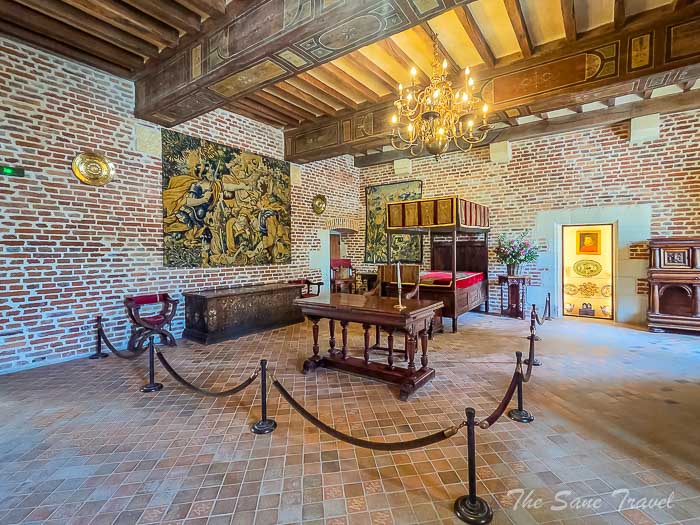
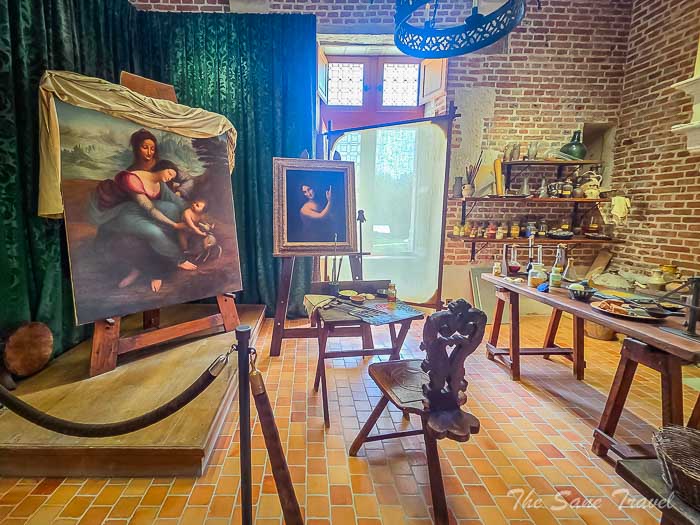
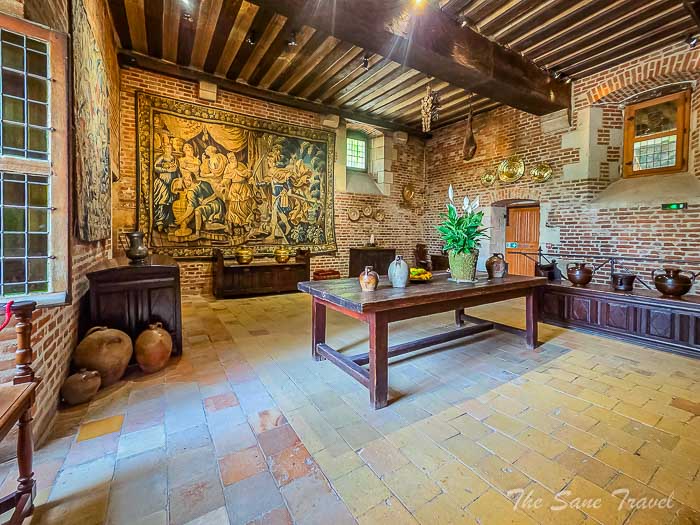
The digital experiences were truly spectacular. In the Painter Gallery, a breathtaking projection showcased 17 of Leonardo’s greatest masterpieces, including the Mona Lisa and The Last Supper, alongside his preparatory drawings. 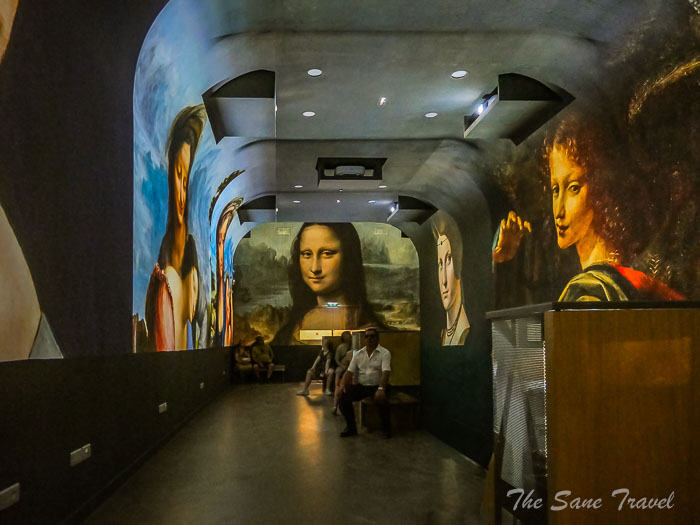 The Architect Gallery revealed his lesser-known genius in civil, religious, and military architecture through engaging 3D animations and interactive models.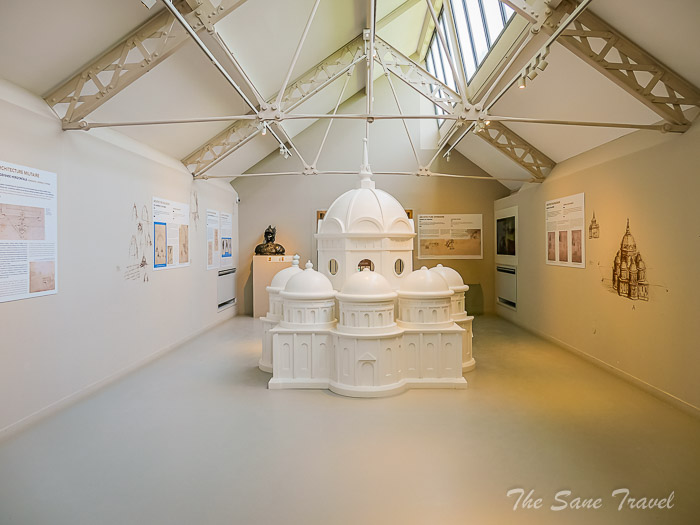
Outside, I spent time in the seven-hectare English-style park, exploring 20 giant-scale replicas of his incredible machines. It was fascinating to climb aboard the armoured tank, aerial screw, and revolving bridge.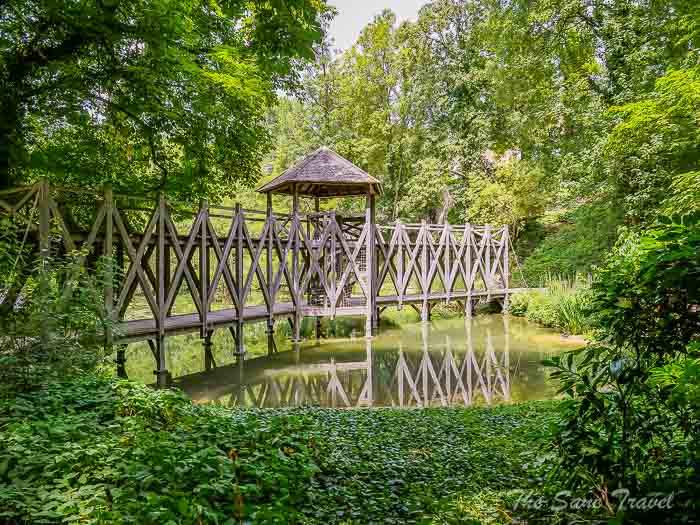
You can find this remarkable place at 2 Rue du Clos Lucé, 37400 Amboise.
From 4:30 pm to 4:45 pm, I enjoyed a pleasant walk to the Château Royal d'Amboise. I then had some time to explore this magnificent château.
Château Royal d'Amboise: A glimpse into royal history
Perched majestically 40 metres above the Loire River, the Château Royal d'Amboise is a remarkable French Renaissance castle. As you explore this stunning fortress, you are taken through centuries of royal history.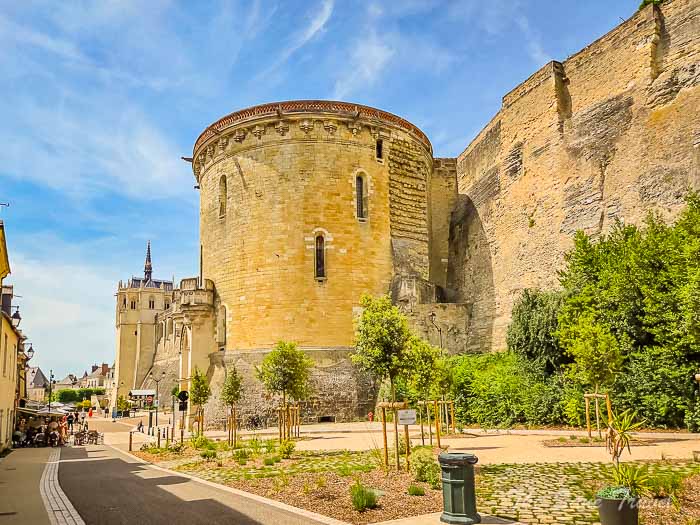
What to see and do:
The Chapel of Saint-Hubert is a stunning example of Flamboyant Gothic architecture and is believed to be the final resting place of Leonardo da Vinci.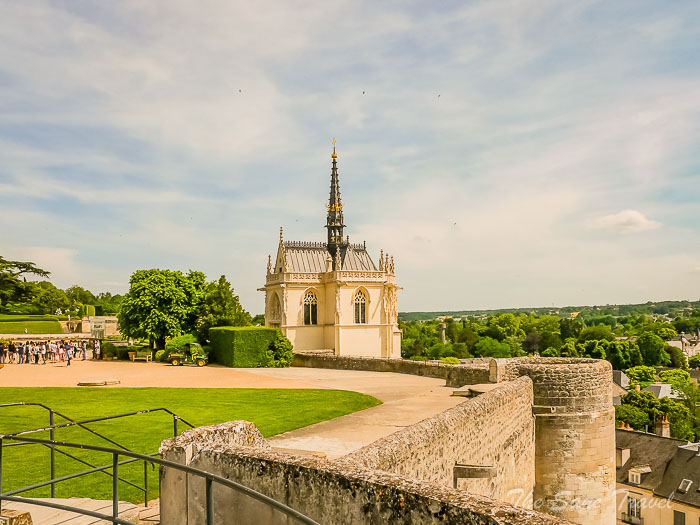
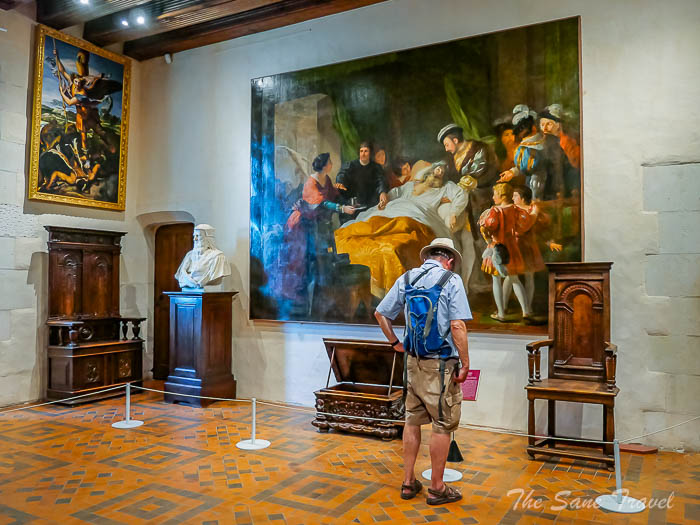
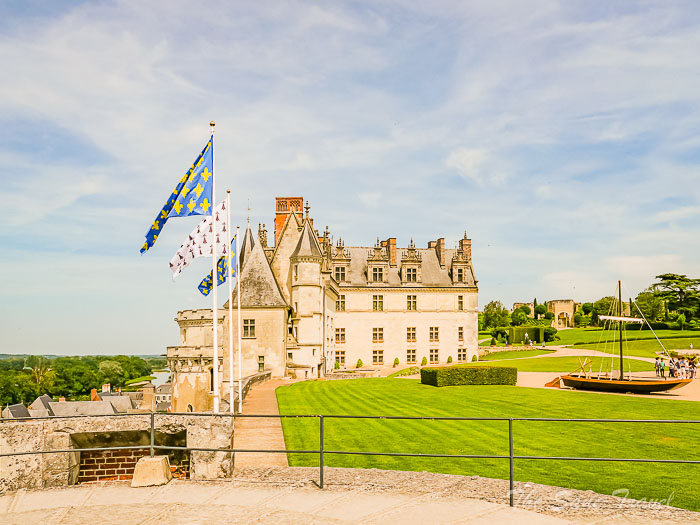 The Royal Apartments showcase the opulence of French royal life through Gothic and Renaissance furnishings in rooms such as the Guard Room, Council Room, and King’s Bedchamber.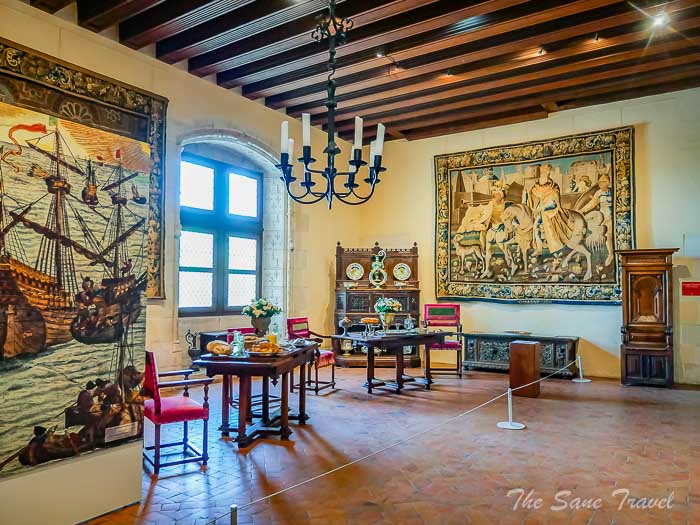
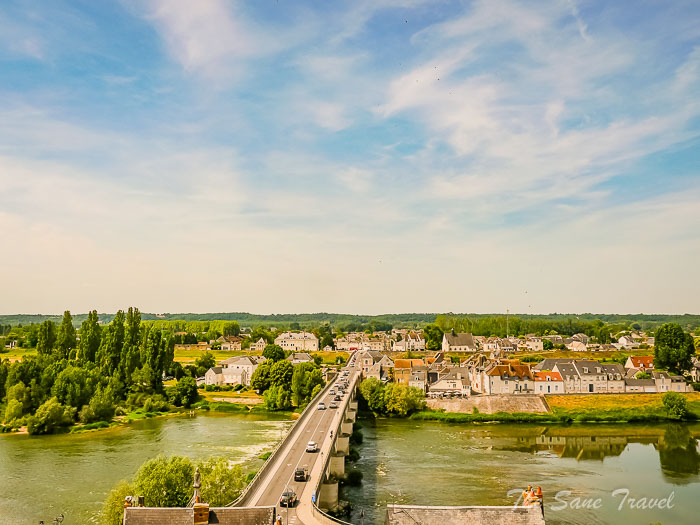
 The Minimes & Heurtault Towers were designed to give knights and carriages access to the château’s ramparts, with the Minimes Tower offering panoramic views over the Loire Valley.
  The Panoramic Hanging Gardens combine Mediterranean planting with views over the river and Île d'Or (Golden Island).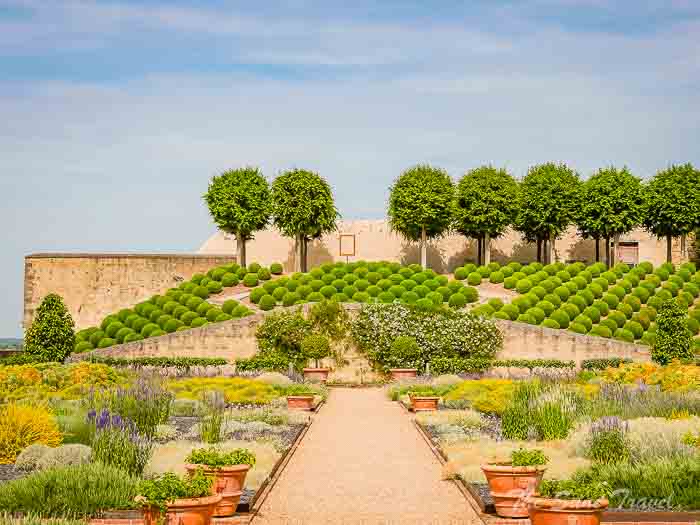
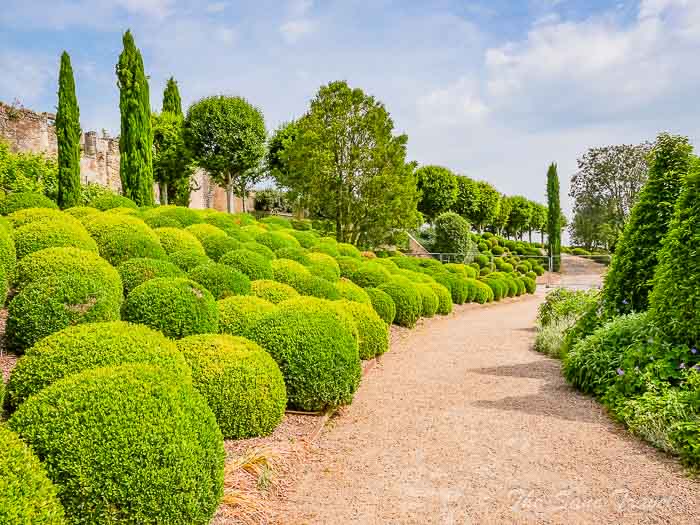
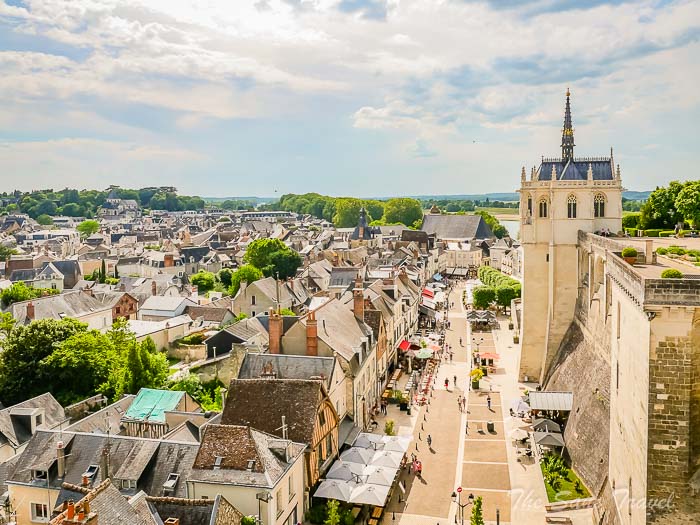 Visitors can enhance their experience using an interactive tablet to view augmented-reality reconstructions of the rooms from different historical periods.
Opening Hours:
May to June: 9:00 am – 6:30 pm. July to August: 9:00 am – 7:00 pm.
Travel Tip:
Though I did not have time to visit on this trip, the city is also home to a third castle, Château Gaillard.
After your visit, enjoy a leisurely 20-minute stroll from the château to the train station. The train to Blois departs at 7:31 pm.
Overnight in Blois
Day 3
Onward to the Château de Chambord. From Blois, take Bus No. 2 to Chambord, departing at 9:20 am from the bus station next to Blois train station.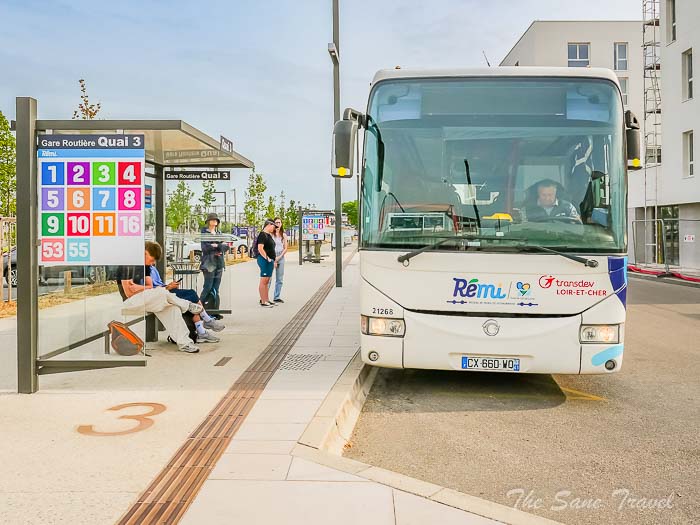
Château de Chambord
On the morning of the third day, I travelled to the magnificent Château de Chambord, whose sheer size, intricate architecture, and expansive grounds make it a truly impressive sight. As the largest château in the Loire Valley, there is an incredible amount to see and do.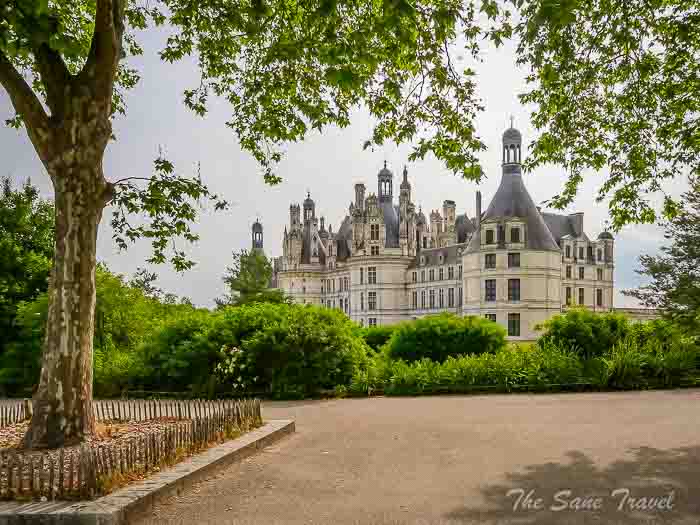
Built for King François I in 1519, the Château de Chambord is considered a masterpiece of French Renaissance architecture, combining medieval fortifications with the elegance of the Italian Renaissance. Its most famous features include the double-helix staircase, expansive rooftop terraces, and well-preserved grounds. The staircase, often attributed to Leonardo da Vinci, is a remarkable feat of engineering located at the castle’s centre. 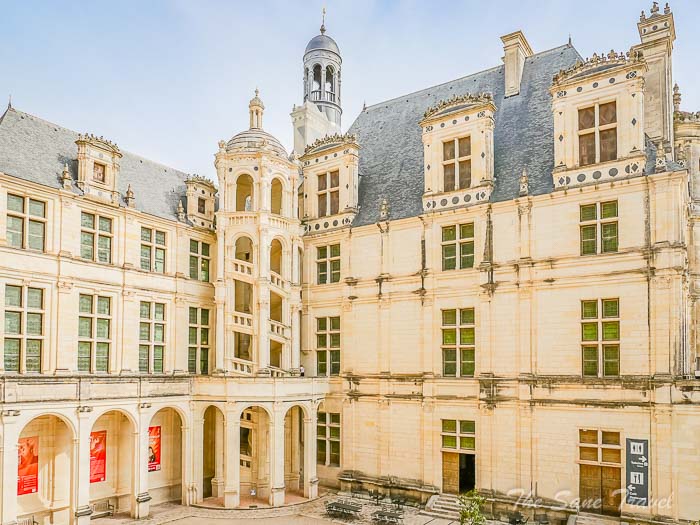 Climbing to the top of the keep provides access to the Panoramic Terraces, which offer breathtaking views of the estate, roofline, and gardens.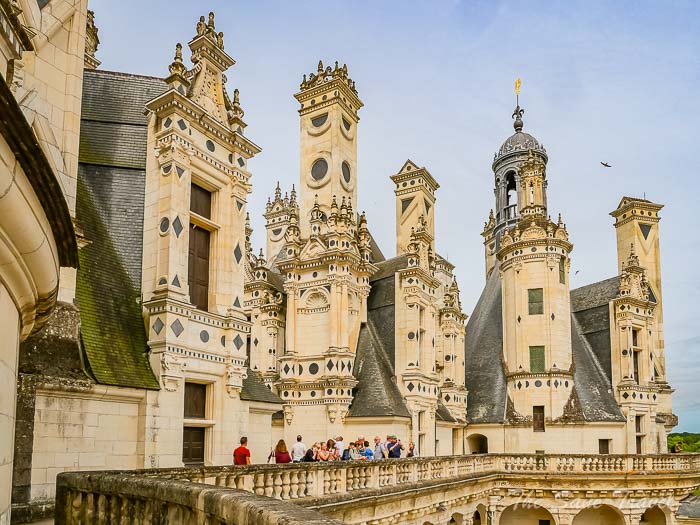
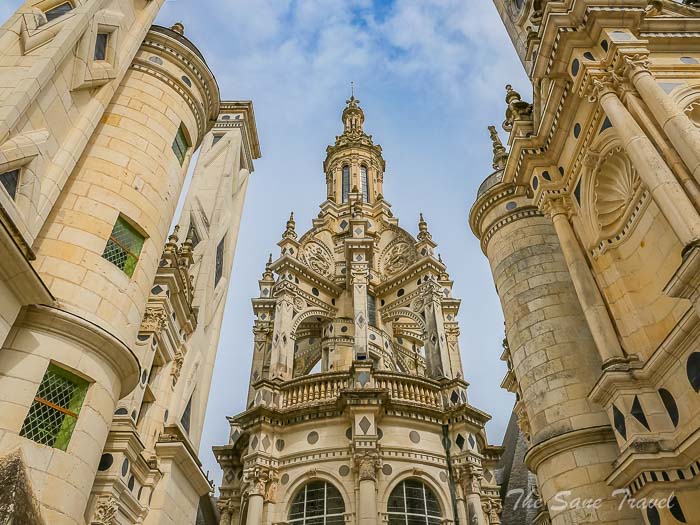 The meticulously restored French formal gardens in front of the château are particularly impressive, with manicured lawns, shrubs, trees, and walkways creating a symmetrical backdrop.
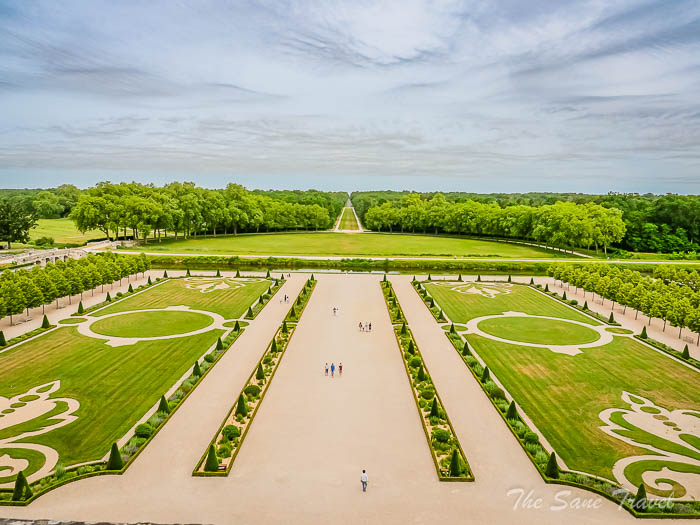 Enclosed by a 32-kilometre wall, the estate covers more than 5,400 hectares and is the largest enclosed park in Europe. The surrounding woodland is home to a variety of wildlife, including deer and wild boar. Visitors can explore the estate on foot via walking trails or by renting bicycles and electric boats. Inside, visitors can wander through the furnished historic rooms once occupied by royalty, including the bedchambers of King François I and Louis XIV.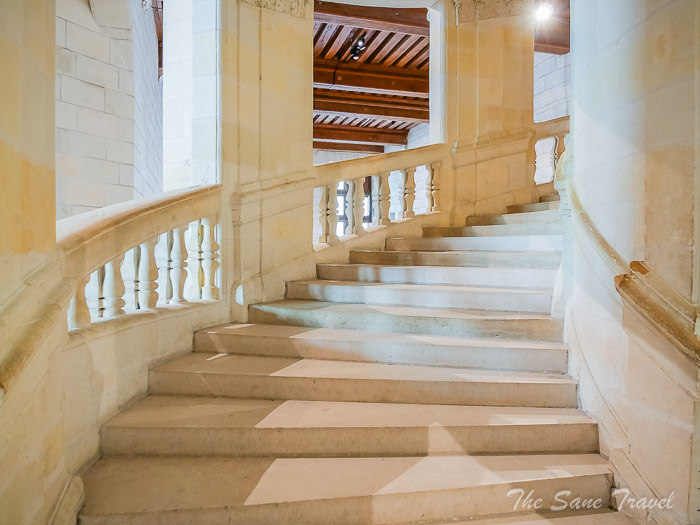
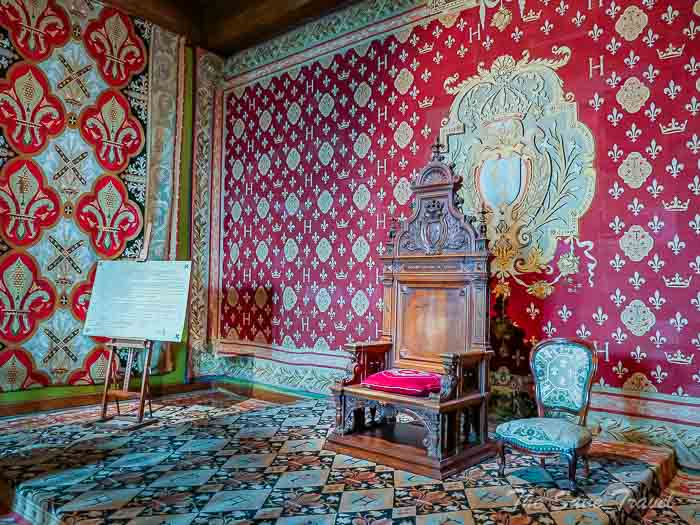
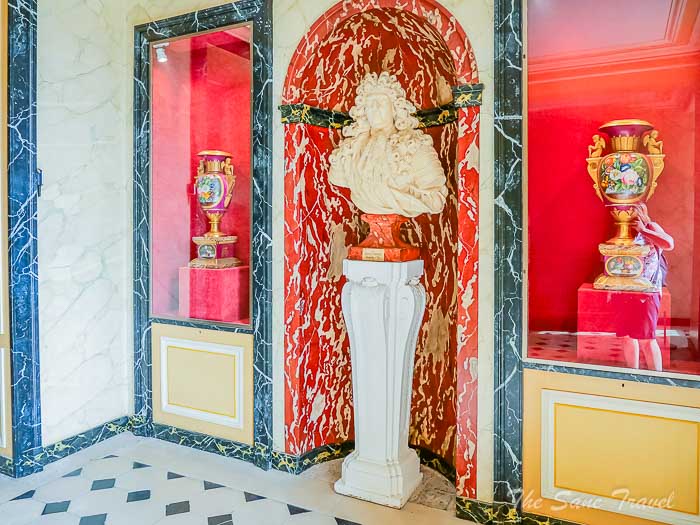
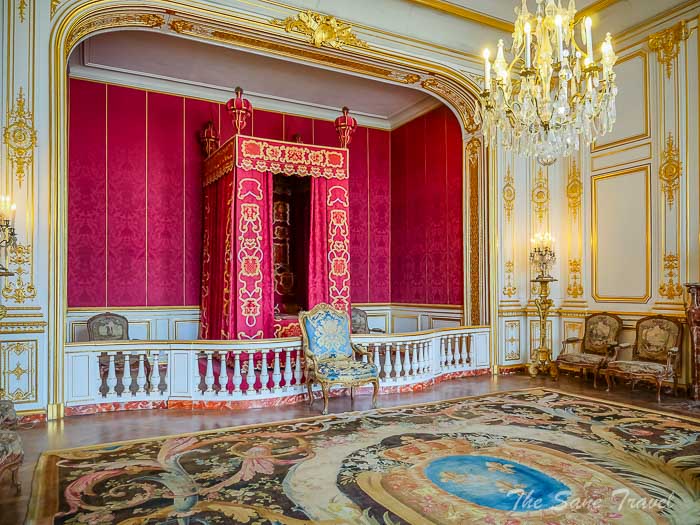
In addition to the extensive exhibits covering both medieval and more recent history, it was interesting to learn that the château served as a secret repository for artworks from French museums during the Second World War. 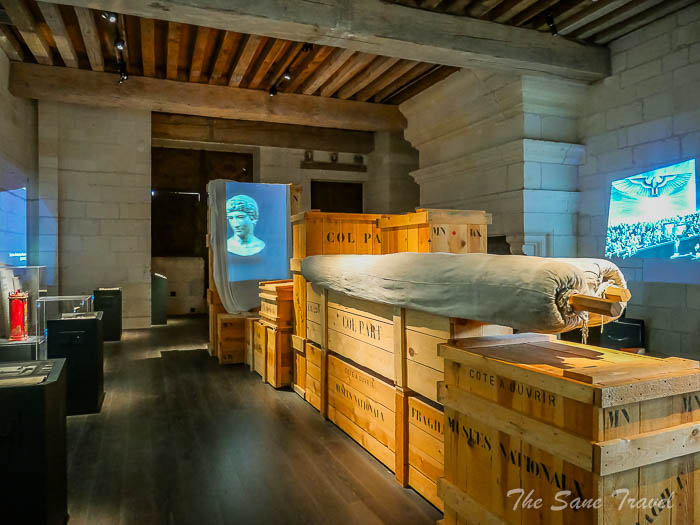
There is also a complimentary sampling of local wines available at the entrance. You could easily spend an entire day at Chambord. I chose to visit for half a day, focusing primarily on exploring the château itself. My visit was largely dictated by the bus schedule from Blois, which runs twice a day. I arrived at 9:20 am and returned to Blois on the 1:10 pm bus.
Practical tip. Presenting your bus ticket at the castle ticket office entitles you to a reduced price on your castle entrance fee.
Walking in Blois
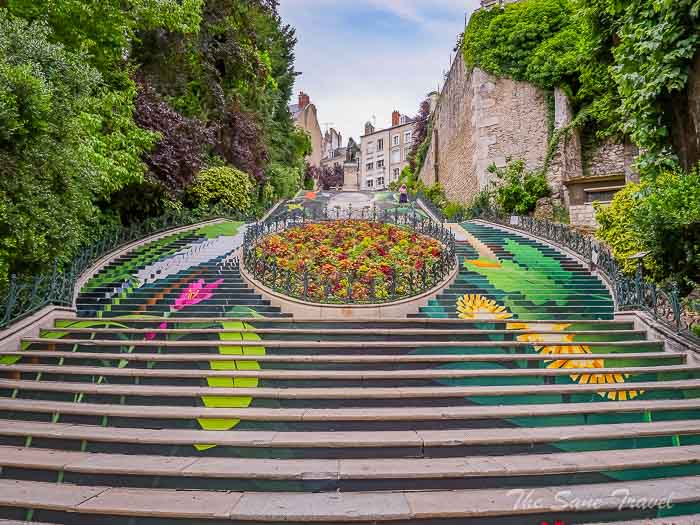
I spent the afternoon exploring the city of Blois and the interior of the Château Royal de Blois. The city is very pleasant, but it was quite quiet on Sunday, with most shops closed.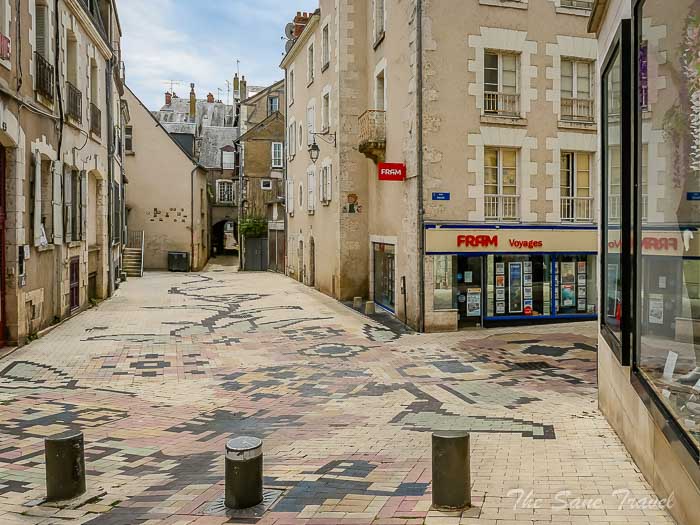 I was particularly drawn to the 115-step painted staircase, named after the 17th-century physicist Denis Papin, whose decorative motifs are changed from time to time.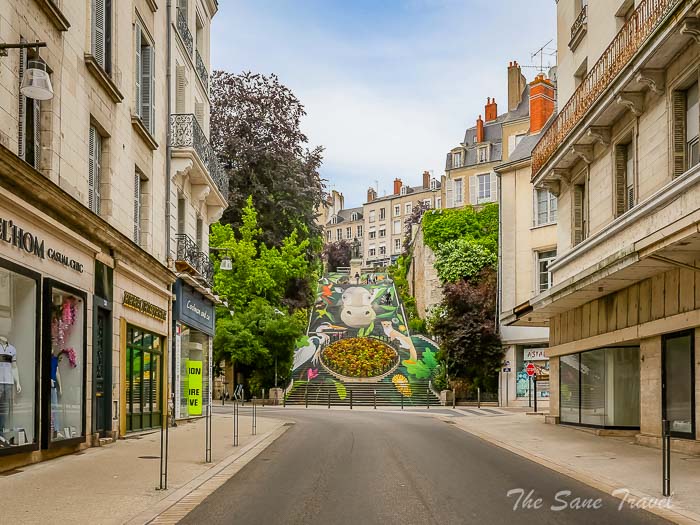
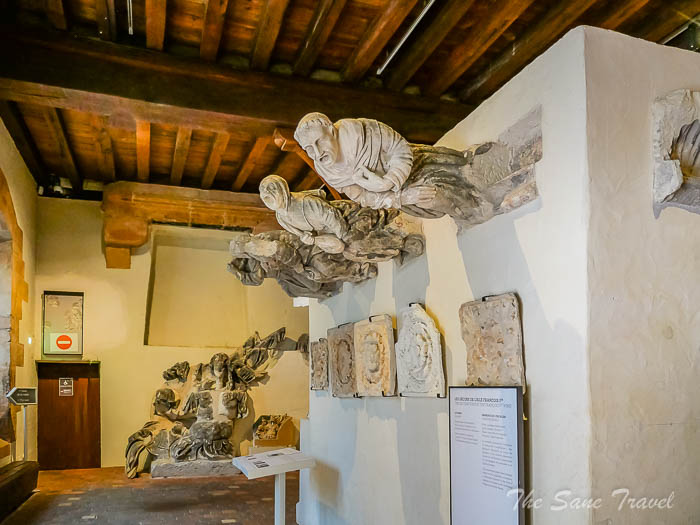
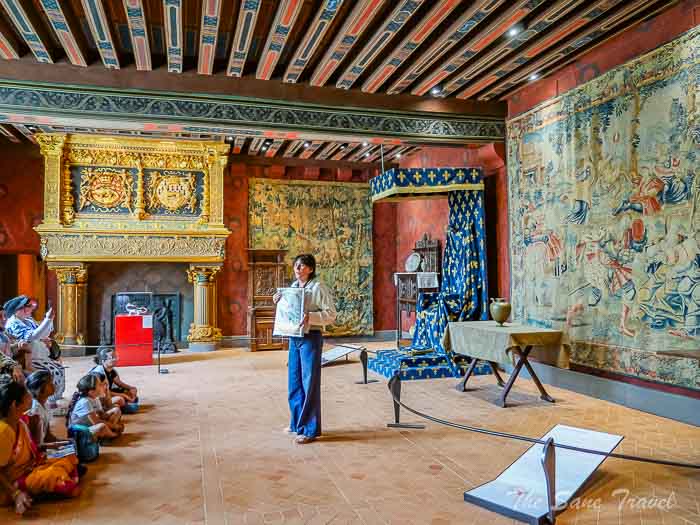
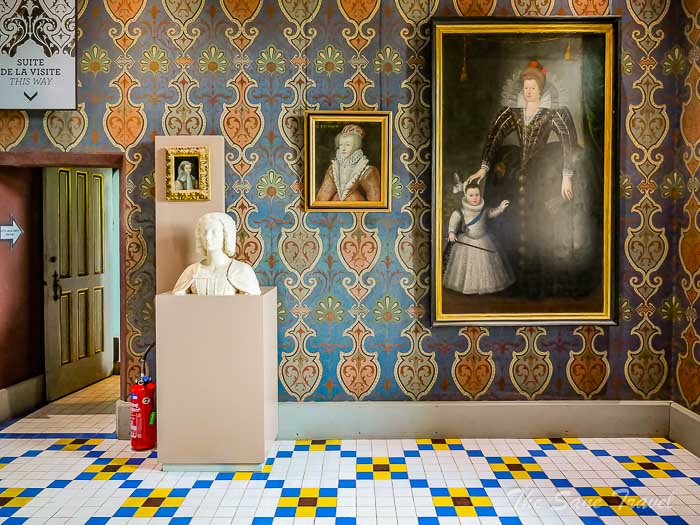
 I really enjoyed the exhibits at the Château Royal de Blois, finding them thoughtful and tasteful. There were even more tour groups there than at Chambord, although there were no English-speaking guides at either site.
Château Royal de Blois
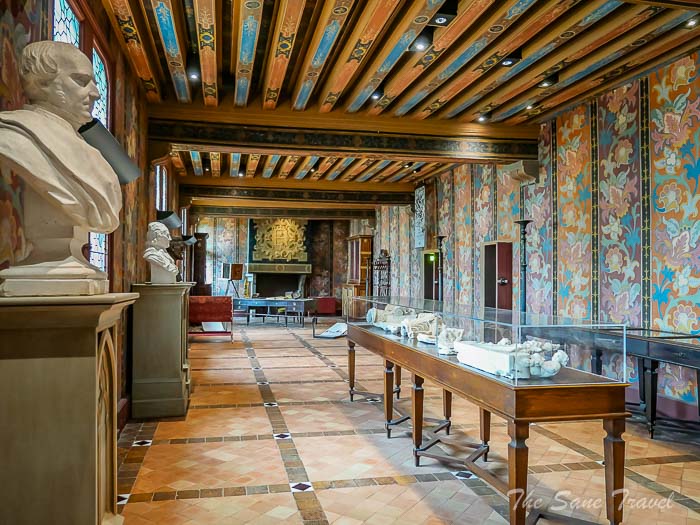
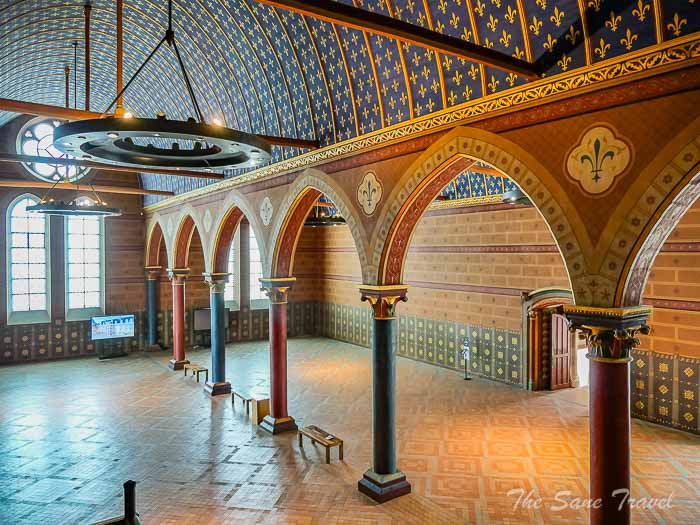
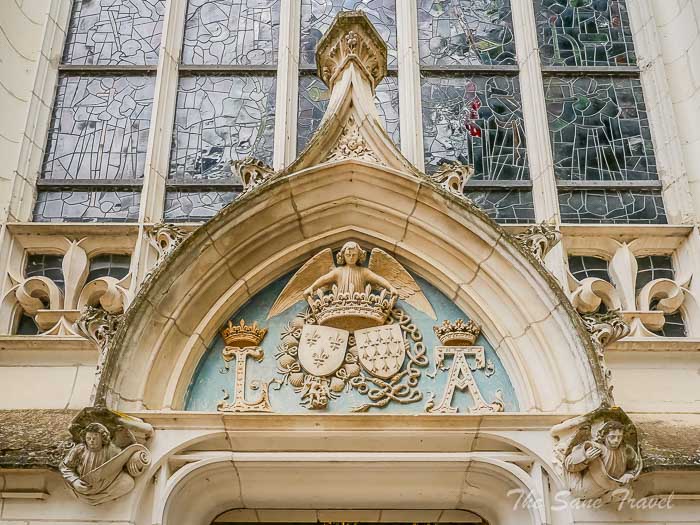
The Château Royal de Blois has been the residence of numerous French monarchs throughout history, making it an important educational site. Visitors are encouraged to rent a HistoPad at the entrance for a more interactive experience, allowing them to view 3D augmented-reality reconstructions of the historic chambers. One of the main attractions is the courtyard, which showcases four different architectural styles spanning 400 years of French history. The François I Staircase, adorned with intricate carvings and statues, is a central feature of the courtyard. Inside the château, visitors can explore lavishly decorated rooms, including Catherine de’ Medici’s study and the room where the Duke of Guise was assassinated in 1588. The Salle des États Généraux, the oldest surviving Gothic civil hall in France, features a vaulted ceiling resembling a ship’s hull. Queen Anne of Brittany, a prominent figure in French history, was born in Nantes and was closely associated with the château, which served as one of her primary residences. The Sainte-Calais Chapel, once a private place of worship for Queen Anne and King Louis XII, is a significant architectural masterpiece from the early 16th century. Anne died at the Château de Blois in 1514.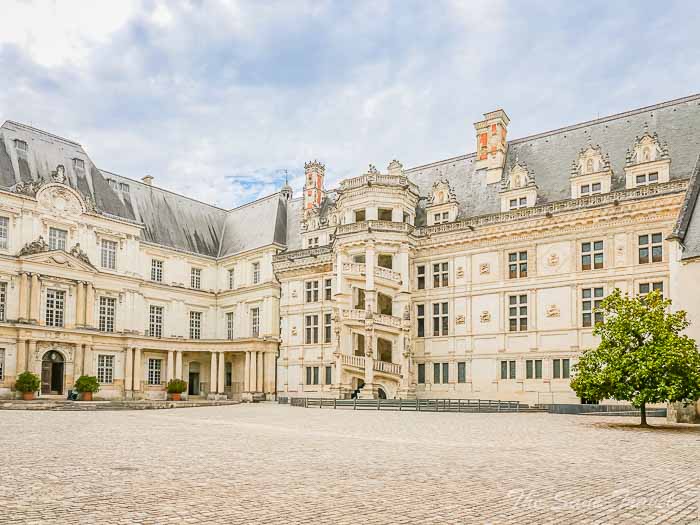
Your 48 hours in the Loire Valley are over, and it is time to leave Blois for Paris Austerlitz station on the 7:14 pm train, arriving at 8:39 pm.
Final Thoughts
This is quite a packed itinerary for visitors with limited time, and it could easily be extended to a 72- or 96-hour trip by spending more time at Chambord, adding a few nearby châteaux, and possibly staying at least one night in Amboise. Check public transport times before you make your travel plans, as they can change. This itinerary works best in the spring and summer months, as some activities are only available then, and the châteaux’s opening hours are longer.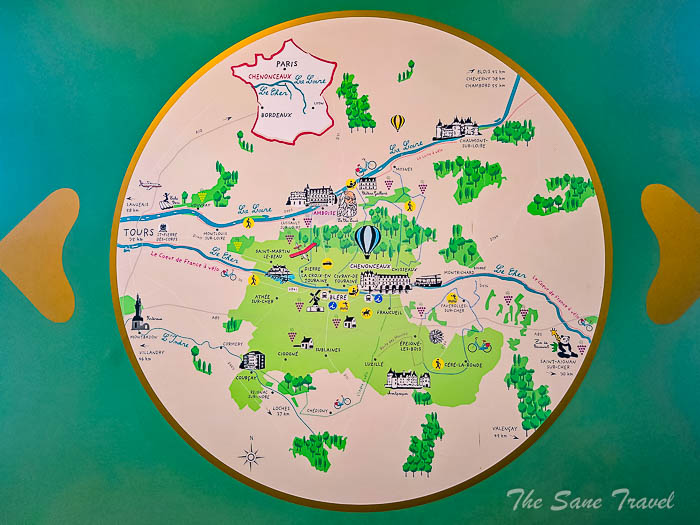
 Like it? Pin it!
What did you think? Have you visited the Loire Valley castles? I would love to hear from you, so please add your comment below.
- Published by Anita on June 19, 2026
Author: Anita Sane

About the author
Anita is a part-time traveller, passionate photographer and a retired career woman from Latvia, travelling mostly solo for more than 15 years. She is a skilled travel planner who plans and executes her travels by herself. Anita wants to show you how to travel the world and open your mind to new experiences. Follow her on Facebook, Instagram, Pinterest, Twitter and Bloglovin.
Report
My comments