
If you have read my travel articles, you may have noticed that I frequently use public transport when exploring the countries I visit. This choice has its limitations in terms of the places I can reach, but it also helps to reduce the stress of driving in unfamiliar surroundings. In addition, using public transport is more cost-effective than hiring a car, especially for solo travellers. The mode of transport I use – such as trains or buses – varies depending on the country I am visiting. For instance, during my trip to Slovenia, I relied solely on public buses and did not use trains. In this article, I focus only on destinations that I have personally visited. Explore my personal journey and discover helpful advice on travelling around Slovenia by bus.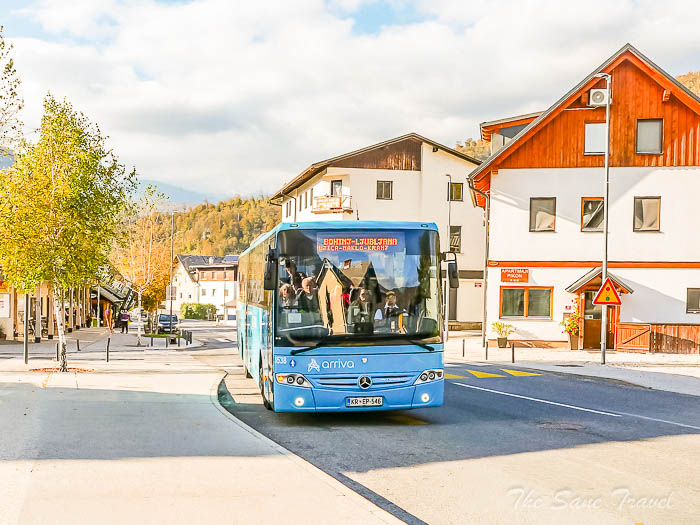
General information
Buses in Slovenia carry nearly twice as many passengers as trains. Train stations are often located outside city centres, making buses a more convenient option in many areas. The country’s public bus network plays a vital role in connecting towns and regions without direct rail links. Buses are ideal for travellers wishing to explore smaller towns off the beaten track, making them essential for navigating the countryside and reaching even the most remote corners of Slovenia. Two main bus companies operate in the country: Arriva, which serves the west, and Nomago, which covers the east and some parts of the west.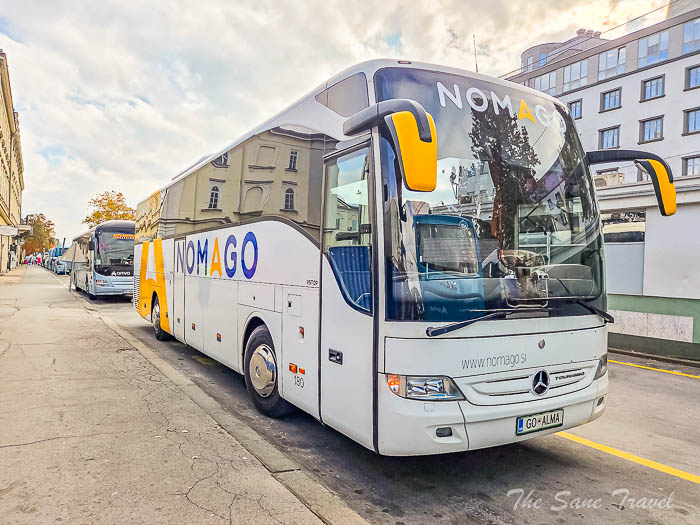
Let’s get practical
Slovenia’s three main bus stations – Ljubljana, Maribor, and Koper – each serve as key transport hubs for different parts of the country. Ljubljana’s station serves as the nation’s central travel hub, Maribor’s combines practicality with strong regional connections, and Koper’s provides an attractive and convenient gateway to Slovenia’s coast. Bus stations are closed on weekends, except for Ljubljana. During these times, tickets can only be purchased directly from the driver, and payment must be made in cash. Seat reservations are not available on Slovenian public buses. Standing is not permitted on intercity buses, but is allowed on shorter routes. Popular routes can fill up quickly, so if a bus is full, passengers must wait for the next one. To avoid missing out, it is best to board at the first stop, as buses may be full by the time they reach intermediate stops. For long-distance journeys, buses generally use motorways, while shorter routes travel along smaller roads and make detours to serve local communities. Buses typically depart on time from their originating stations, although delays can occur on arrival due to traffic or large passenger numbers. Timetables vary between weekdays, Saturdays, and Sundays, with fewer buses running on Saturdays and even fewer on Sundays.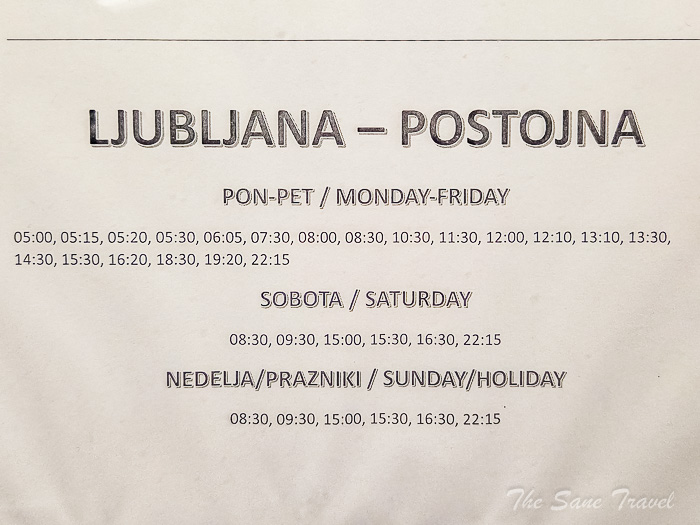
Buying bus tickets
Tickets purchased online or at the bus station are valid for a specific day, but they do not include a designated departure time. Seat reservations are not offered. Passengers receive a 25% discount on regional buses or trains when travelling on Saturdays, Sundays, or public holidays.
Online
Intercity bus tickets for departures from the Ljubljana bus station are available online, though travellers must bring a printed copy to board, which could inconvenience those without a printer. The Arriva website requires an IJPP card number to buy tickets, which can only be obtained in Slovenia, making it impractical for visitors. I personally did not have this card, so I cannot comment on its benefits.
At the bus station
Passengers departing from Ljubljana must buy their bus tickets at the station. Since Ljubljana is the only bus station open on weekends, passengers at other stations on weekends need to purchase their tickets directly from the driver. Please note that cash is the only accepted form of payment in this case.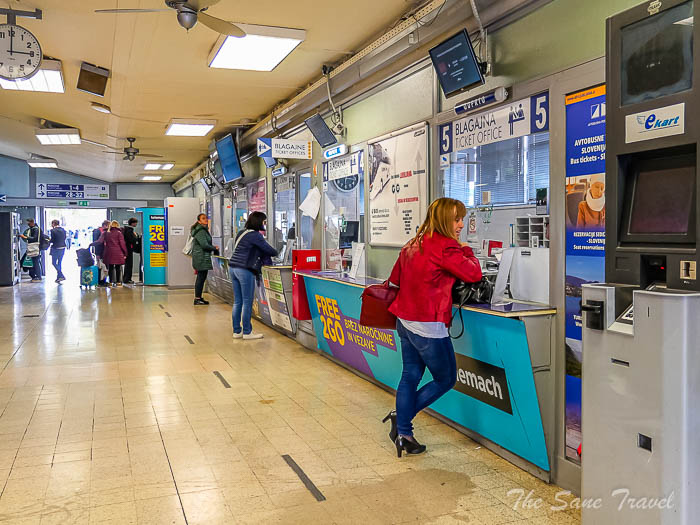
From the bus driver
Bus tickets can be purchased directly from the driver when ticket offices at the bus station are closed or at stops along the route. It is recommended to have the exact fare, preferably in notes of 20 euros or less.
Transporting luggage
Arriva buses allow one piece of checked luggage free of charge, while any additional items cost €1.30 each. Checked baggage should weigh less than 30 kg, measure no more than 100 × 60 × 30 cm, and must be stored in the designated luggage compartment. Passengers can bring smaller hand luggage into the passenger area at no extra cost. There is no specific information available regarding Nomago’s luggage policy, but it is likely similar to Arriva’s.
Travelling from Ljubljana Airport
The most convenient way to travel to and from Ljubljana Airport is by bus or shuttle. A one-way trip to the airport costs approximately 4 euros by bus and around 12 euros by shuttle. Shuttle tickets can be purchased at a ticket counter in the arrival hall. The price of a shuttle ticket varies by the number of passengers in your group, with the cost per person decreasing for larger groups. This option is ideal for travellers with lots of luggage who prefer direct transport to their accommodations. The journey to or from Ljubljana Airport typically takes less than an hour.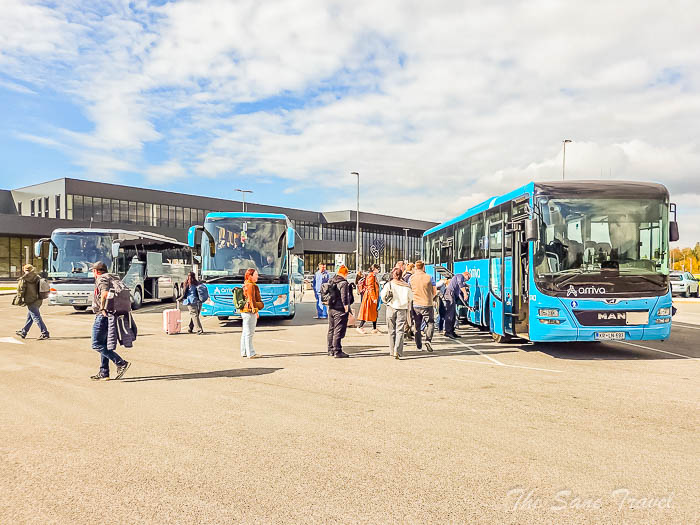
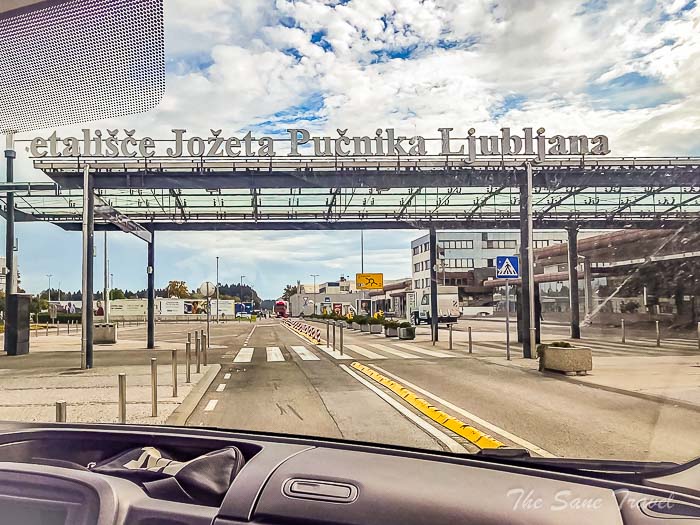
Departing from the Ljubljana bus station
When purchasing a ticket at the bus station ticket office in Ljubljana (Avtobusna Postaja Ljubljana, AP), there is a surcharge of 60 cents. However, most buses require passengers to have a ticket before boarding. The airport bus, by contrast, allows passengers to buy a ticket directly from the driver.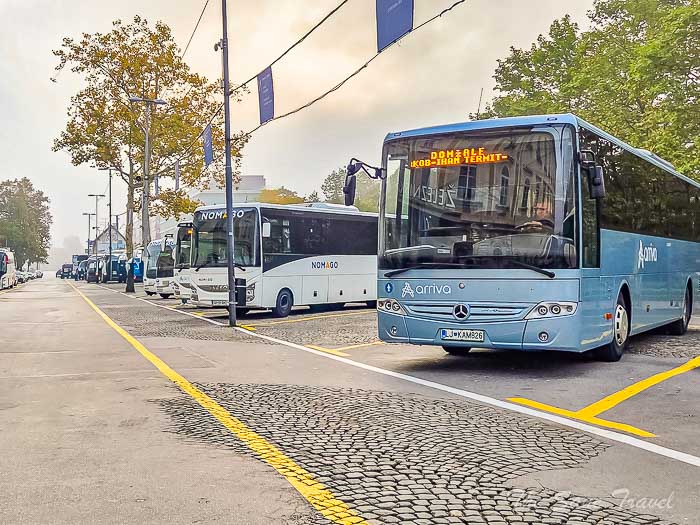
Heading to Postojna Caves by bus
A significant number of buses run from Ljubljana to the Postojna bus station on weekdays, with fewer services available on weekends. The journey to the Postojna bus station typically takes around one hour. From the bus station, it is about a 15-minute walk to the entrance of Postojna Caves. Although a local bus service operates between Postojna railway station, Postojna bus station, and Postojna Cave Park, I did not use it. If you plan to visit Predjama Castle before or after exploring Postojna Caves by public transport, be sure to check the shuttle timetable from Postojna Caves to Predjama Castle, which is approximately nine kilometres from the cave entrance.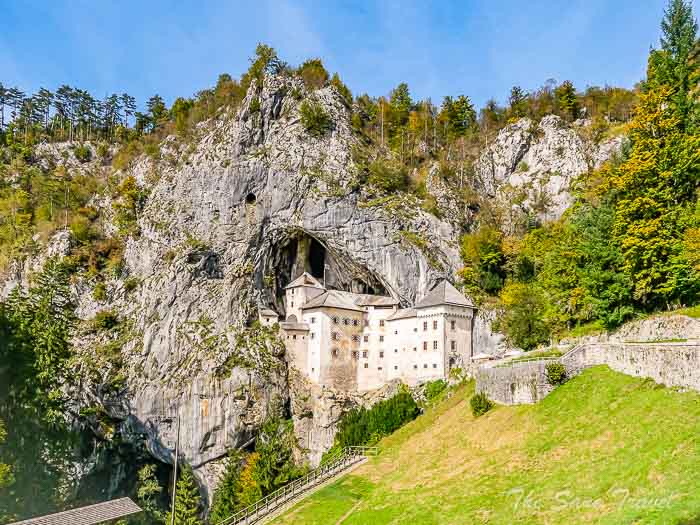 During the off-season in October, there is only one shuttle ride per day, so it is important to plan accordingly.
 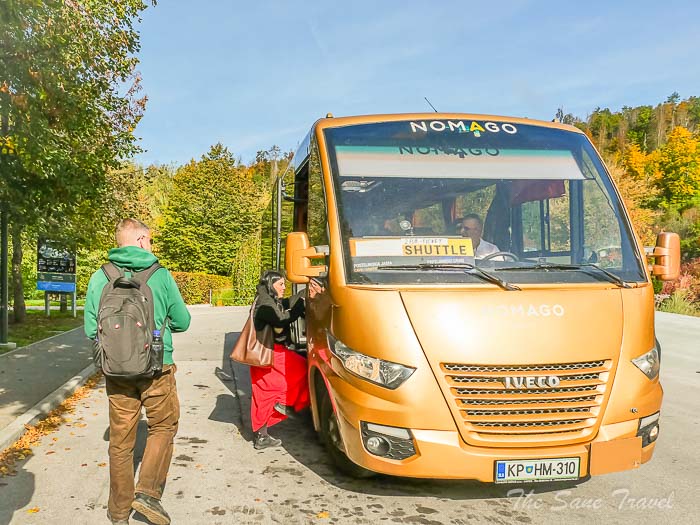 If you miss the shuttle, you can take a taxi, which costs 20 euros one way. I personally paid 5 euros to change my Postojna Caves entrance time so I could use the shuttle service. To avoid any inconvenience, check the shuttle times before purchasing tickets for both attractions. The shuttle service between the Postojna Cave Park entrance and Predjama Castle is only available at certain times of the year, and taxis can be arranged at the ticket office.
Going to Piran
There are only a limited number of direct buses from Ljubljana to Piran each day.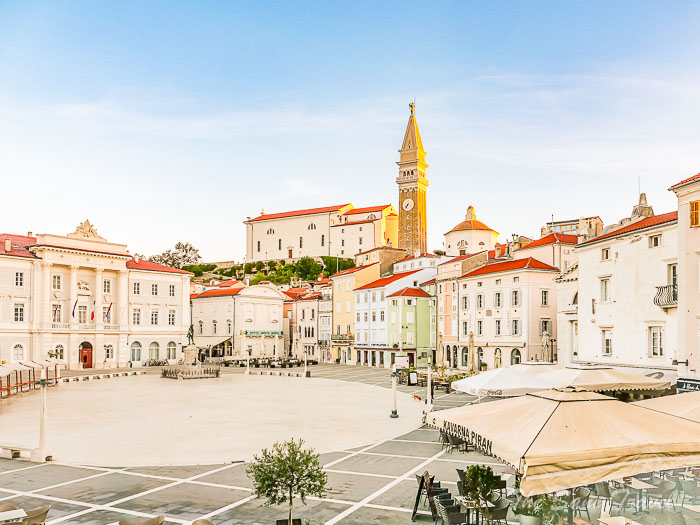 If the timetable does not suit you, you may need to travel first to Koper and then transfer to another bus to reach Piran.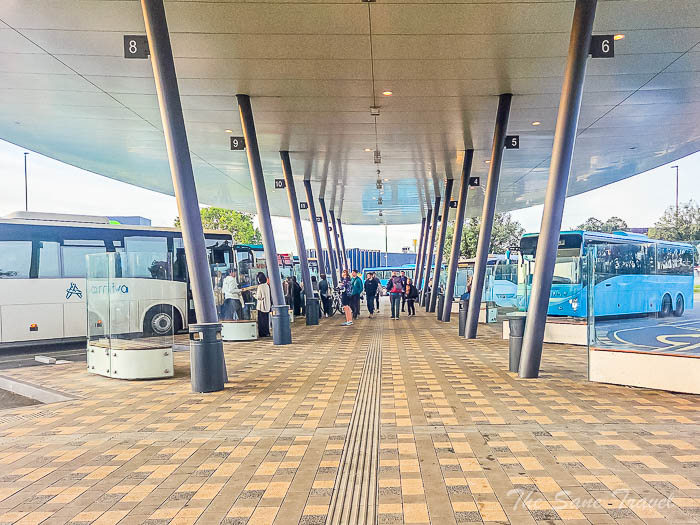
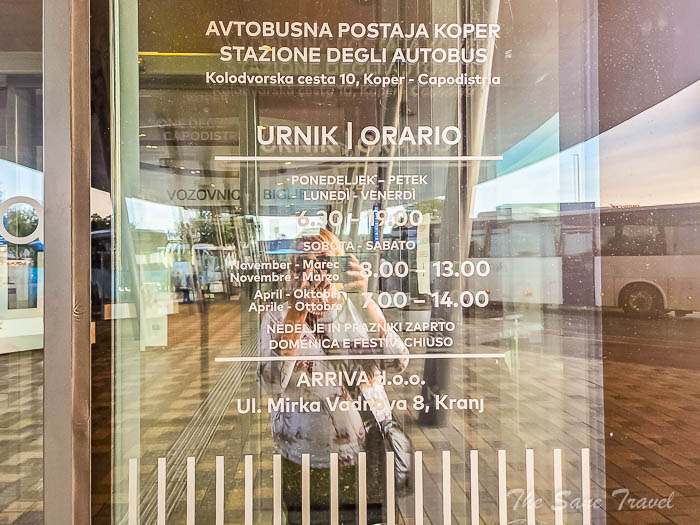 Direct buses to Piran also pass through Koper, but then a transfer is not necessary. The journey time on a direct bus from Ljubljana to Piran is approximately 2 hours, from Ljubljana to Koper around 1 hour and 30 minutes, and from Koper to Piran less than 40 minutes.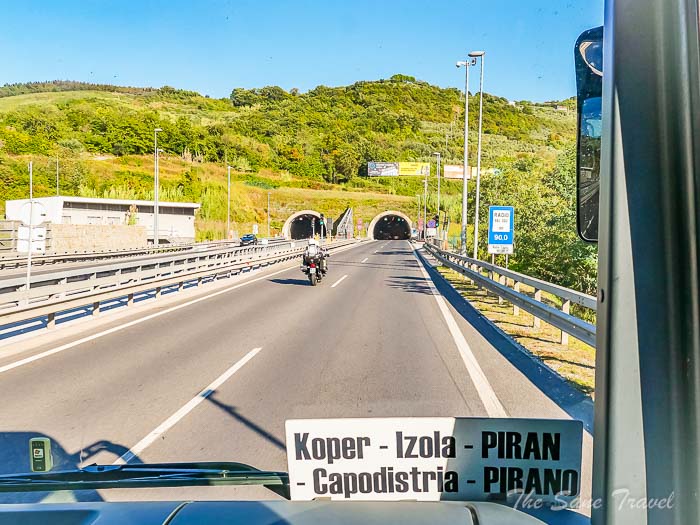
Getting to Bled
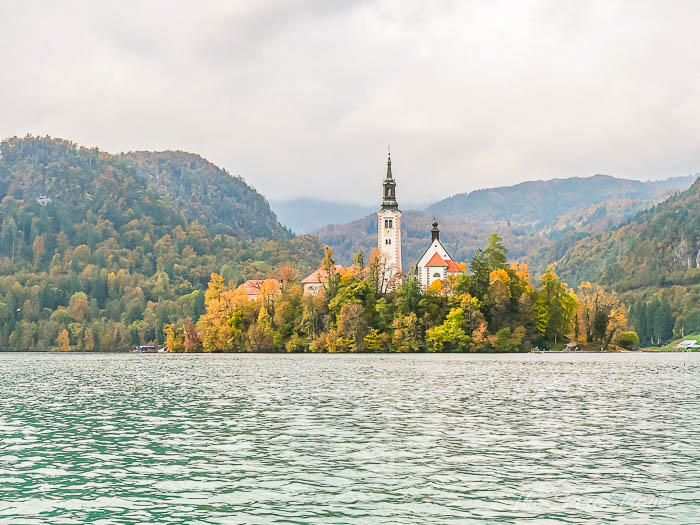
There are numerous bus options for travelling from Ljubljana to Bled. You can also travel directly from Ljubljana Airport to Bled, as the airport is roughly halfway between the two destinations. This direct route works both ways, so you do not need to go via Ljubljana city when travelling from Bled to the airport. The journey from Ljubljana to Bled takes approximately 1 hour, while the trip from Ljubljana Airport to Bled requires around 30 minutes.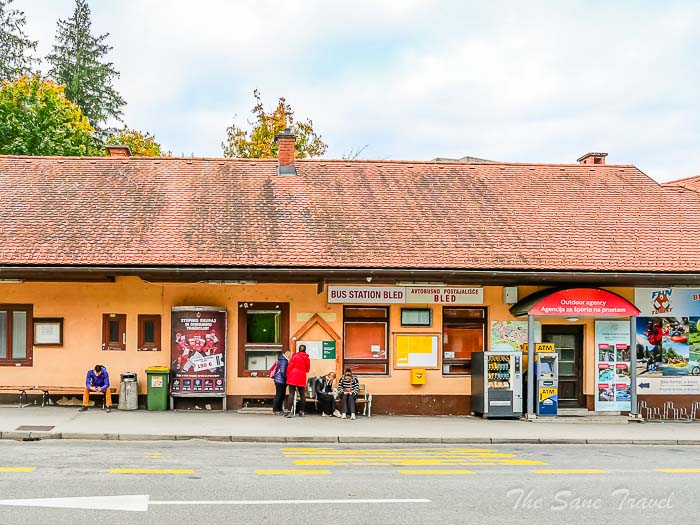
From Bled to Vintgar Gorge
Vintgar Gorge is open to visitors from April to November. 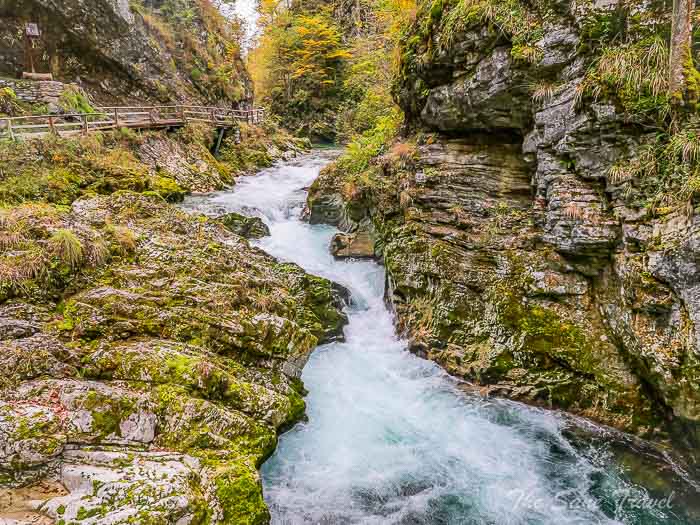 There is no parking available near the entrance, so it is recommended to use the shuttle from either the Vintgar Lip car park or the Bled bus station. Bus departure times at the Bled station can be confusing, as there is no ticket office or clear timetable displayed, so it is best to plan ahead. The Vintgar Gorge website is a reliable source of information. I did not see a table with Vintgar bus departure times at the bus station until the third day of my stay in Bled.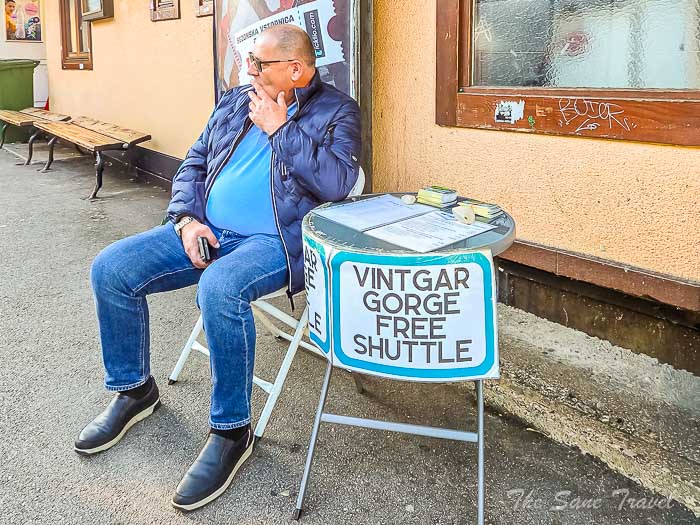
Buses depart from Central Parking Vintgar Lip to the Visitor Centre every 20 minutes from 8:50 to 16:30, with return services running every 20 minutes from 9:20 until 18:00. From Bled bus station, departures for the Visitor Centre are every 30 minutes from 9:00 to 16:30, with return trips every 30 minutes until 18:00. The buses are easily recognisable, as they are painted differently from regular public buses.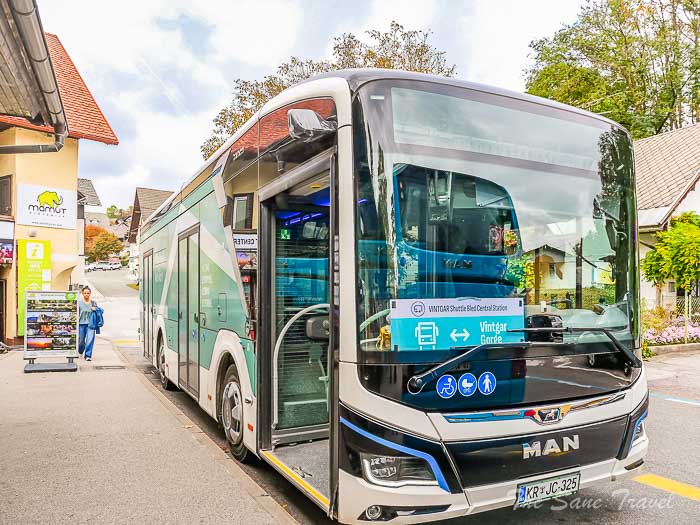
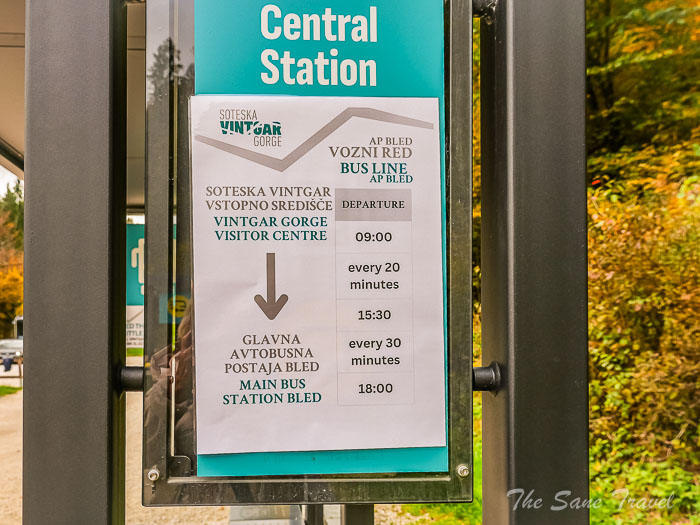 The journey takes approximately 20 minutes.
Travelling to Bohinj
You can travel to Bohinj from both Ljubljana and Bled on hourly buses.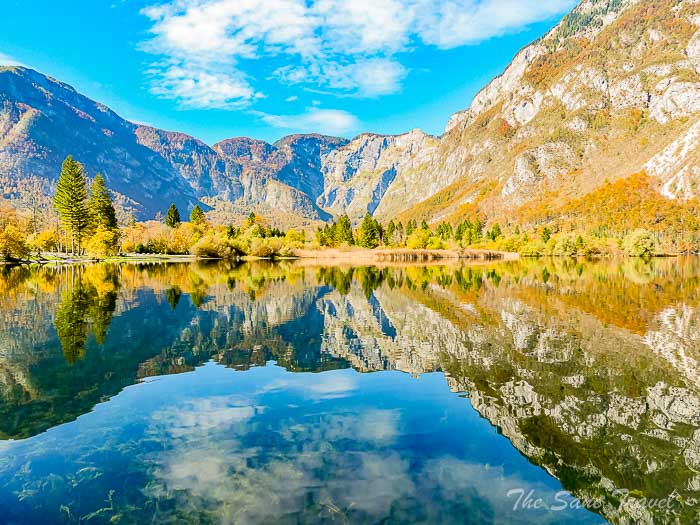 It is recommended to check the exact departure times at the bus station or online. The bus in Bohinj follows the lakeside with several stops, so please make sure you get off at the right one. If you plan to take the cable car up to Vogel Viewpoint or enjoy a boat cruise along the lake, the best stop is Vogel Krizisce (Crossroad).
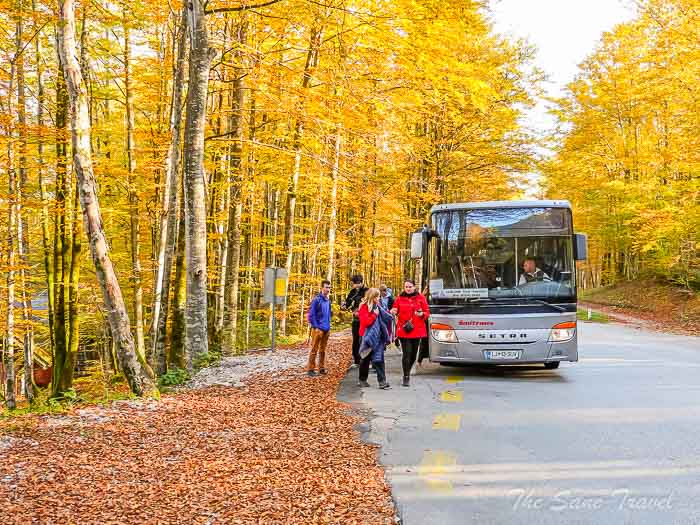 Another option is Ribcev Laz, which is convenient for the other boat station, the Zlatorog statue, and the Church of St John the Baptist. From Ljubljana, the trip takes roughly 2 hours, while from Bled it is about 45 minutes.
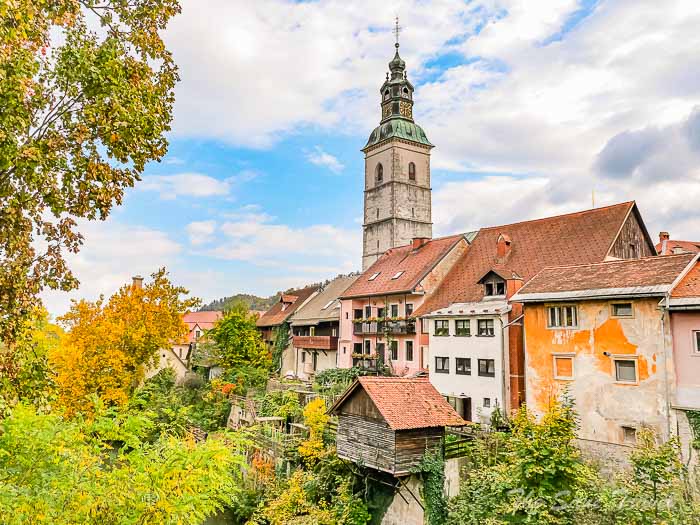
Getting to Skofja Loka
Buses to Skofja Loka depart every half hour from bus stop 28 in Ljubljana, with a journey time of approximately 30 minutes.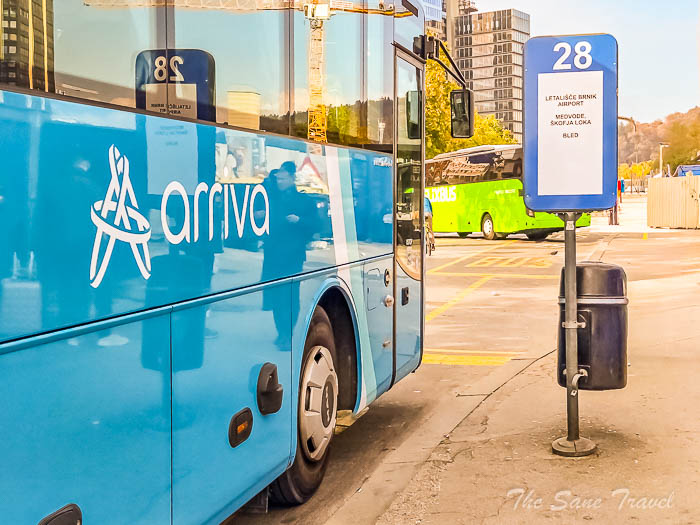
FlixBus in Slovenia
FlixBus has established itself as a key player in Slovenia’s long-distance bus travel sector, offering cost-effective, convenient connections to a wide range of domestic and international destinations. Since entering the Slovenian market, FlixBus has significantly expanded its route network, linking major cities such as Ljubljana, Maribor, and Koper with cities across Europe, including Zagreb, Vienna, Munich, and Venice. The company provides travellers with a user-friendly online booking platform, making it easy to plan journeys with flexible scheduling options. Its seamless integration with other public transport systems has made it a popular and convenient choice for both locals and tourists looking to explore Slovenia and beyond. FlixBus operates in Bled, Koper, Ljubljana, Maribor, Novo Mesto, Portroz, Ptuj, and Sempeter pri Gorici in Slovenia.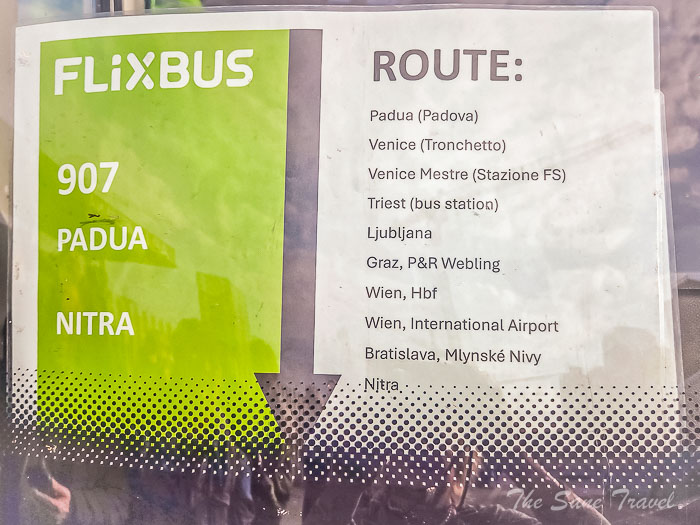
Final thoughts about travelling in Slovenia by bus
I aim for my articles to have lasting relevance, providing information that remains accurate and useful over time. However, this particular article may not fully meet that standard, as some details could change in the near future. I am optimistic about positive developments. I recently saw the construction of a new transport hub in Ljubljana, which will include a new train and bus station, scheduled for completion in 2026. I expect this project will enhance the overall customer experience. Therefore, I recommend checking the provided links for the most up-to-date information, including bus timetables in Slovenia and ticket purchasing.
Like it? Pin it!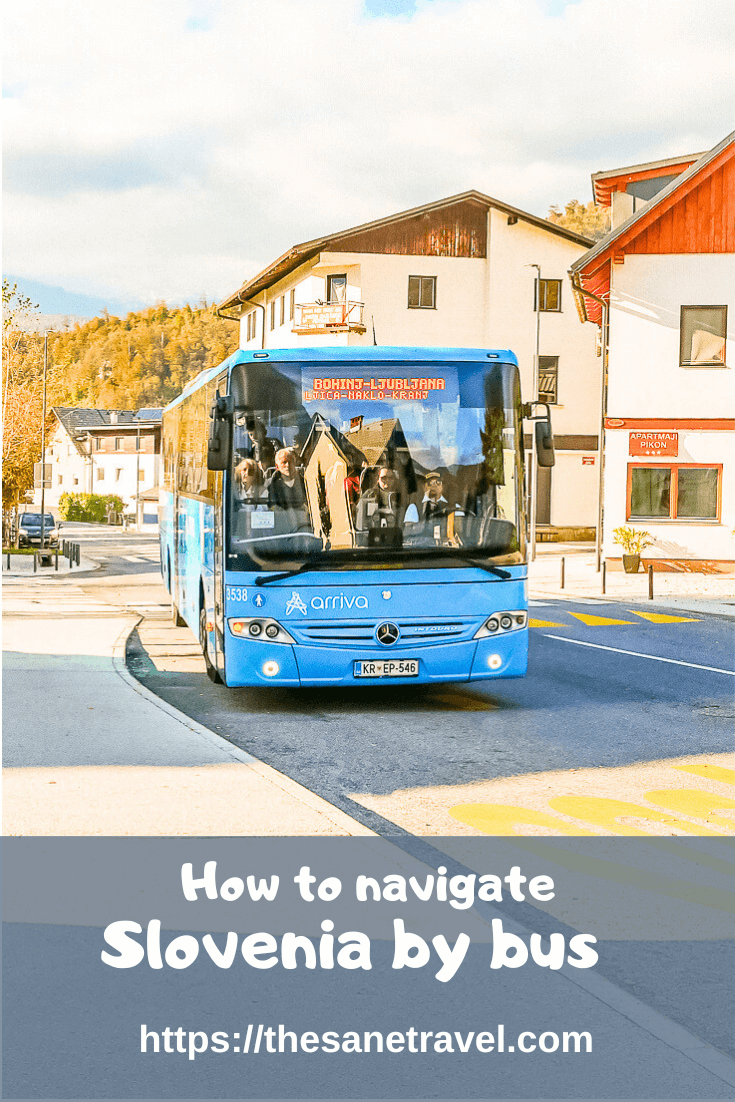
What did you think? Have you been to Slovenia? I would love to hear from you, so please add your comment below.
Author: Anita Sane

About the author
Anita is a part-time traveller, passionate photographer and a retired career woman from Latvia, travelling mostly solo for more than 15 years. She is a skilled travel planner who plans and executes her travels by herself. Anita wants to show you how to travel the world and open your mind to new experiences. Follow her on Facebook, Instagram, Pinterest, Twitter and Bloglovin.
Report
My comments