
Classical music is food for the soul. Profound, moving, and deeply meaningful, it is a genre that Europe has nurtured and elevated to remarkable heights. As the birthplace of many celebrated maestros, Europe naturally boasts a wealth of musical attractions. Today, travellers can immerse themselves in the powerful, emotional sounds of iconic compositions in stunning concert halls and at vibrant music festivals. Across the continent, cities and towns are filled with beautiful venues that host exceptional performances. If you are on a quest to explore the best of classical music, Europe will deliver in spades. The following list highlights the top European destinations for classical music lovers. Since classical music goes hand in hand with opera and ballet, I have also included several renowned European opera houses that host both operas and classical concerts.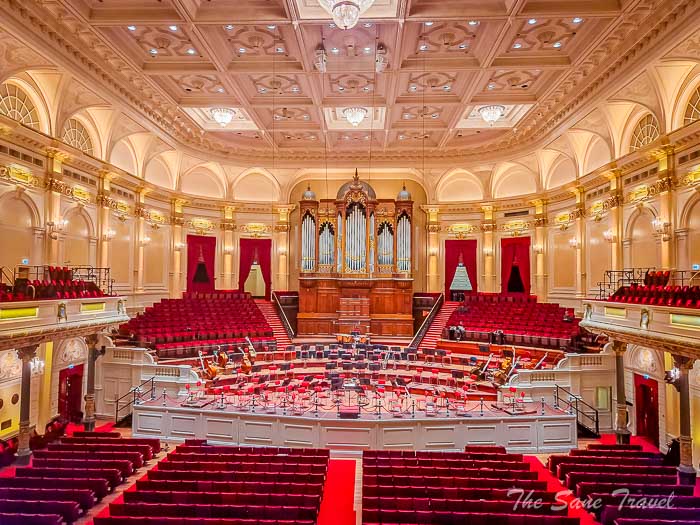
1 Paris
Paris is renowned for its vibrant culture and arts scene, offering a wide range of classical music experiences. In addition to its famous theatres and cabarets, the city is home to numerous venues dedicated to symphony orchestra concerts, many equipped with state-of-the-art technology and exceptional sound quality. The Philharmonie de Paris, designed by Jean Nouvel, is a standout venue, featuring a 2,400-seat auditorium known for its superb acoustics. Another notable venue is the Maison de la Radio, which houses a 1,400-seat amphitheatre-style auditorium with excellent acoustics and a large organ. Various other venues in Paris host prestigious classical music concerts, including the Salle Wagram, the Auditorium du Louvre, the Salle Gaveau, the Théâtre du Châtelet, the Théâtre des Champs-Élysées, the Palais Garnier, and the Opéra Bastille, as well as churches such as the Église Saint-Ephrem and the Église de la Madeleine.
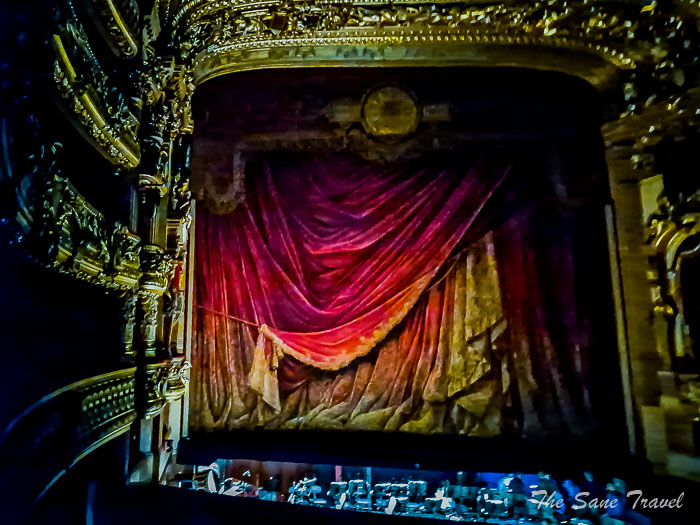
Palais Garnier: A Glimpse into Parisian Opulence
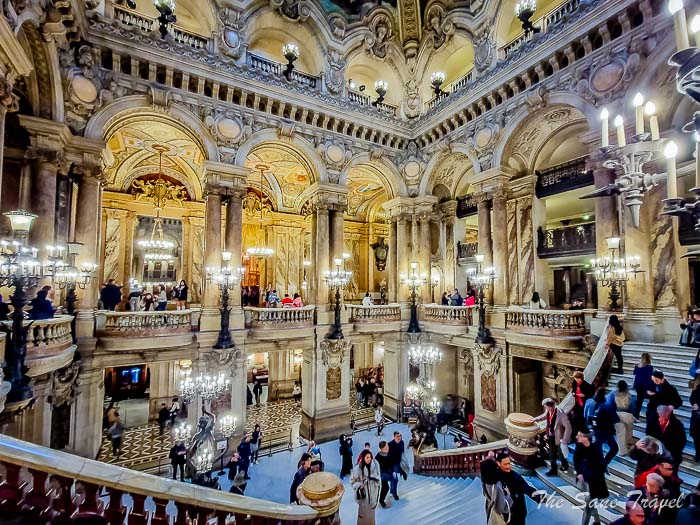
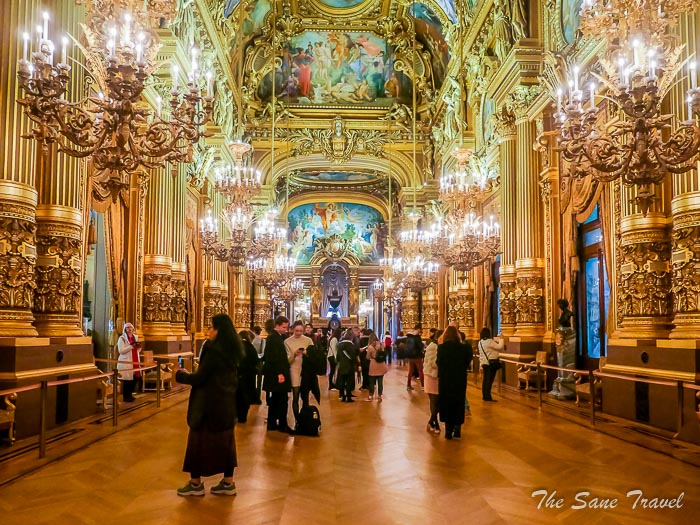
The Palais Garnier, a Baroque-style masterpiece designed by Charles Garnier, is a must-see for any visitor to Paris. With a capacity of 2,200, this opulent opera house is considered one of the world’s most renowned auditoriums. Commissioned as part of Emperor Napoleon III’s grand reconstruction of Paris, Garnier won the design competition in 1861, and the building was finally inaugurated in 1875 with a lavish gala. Step inside and prepare to be amazed. The interior boasts a magnificent main staircase, elaborate decorations, and a grand auditorium with five storeys of boxes. The Palais Garnier seamlessly blends Neo-Baroque and Beaux-Arts architectural styles, with its famous 7-tonne chandelier, designed by Garnier himself, hanging dramatically from the ceiling. This iconic opera house even inspired the legendary musical The Phantom of the Opera, which continues to captivate audiences in London. Beyond its fame, the auditorium is also praised for its exceptional acoustics, ensuring an unforgettable experience at every performance.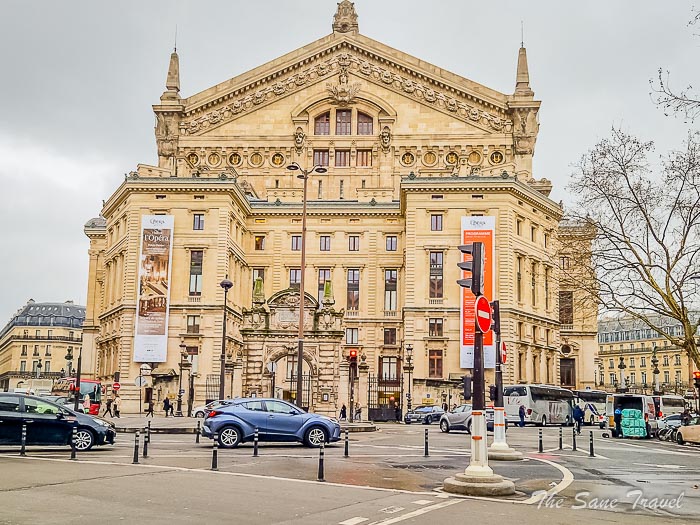
2 London: A Symphony of Classical Music
London has been a haven for classical music for centuries. If you are a music lover, immerse yourself in the city’s rich classical history by attending a live performance at one of its top concert halls. The city attracts some of the world’s finest classical talent, who grace venues such as Wigmore Hall, Cadogan Hall, Wilton’s Music Hall, the Royal Opera House, the Southbank Centre, and the Barbican. Other notable venues hosting prestigious concerts include the Royal Albert Hall, the Royal Academy of Music, and a host of beautiful churches, among them St James’s Church, St Paul’s Church, and St Martin-in-the-Fields. Experience the magic of live orchestras and the timeless beauty of classical music at these iconic venues.
Cadogan Hall: A Chelsea Gem
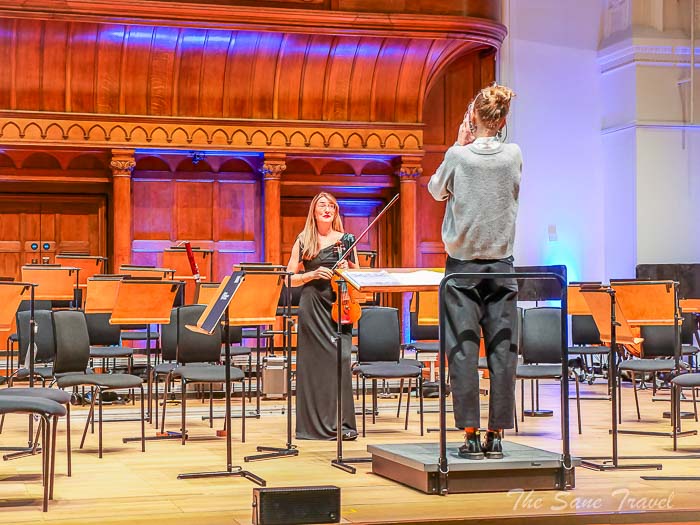
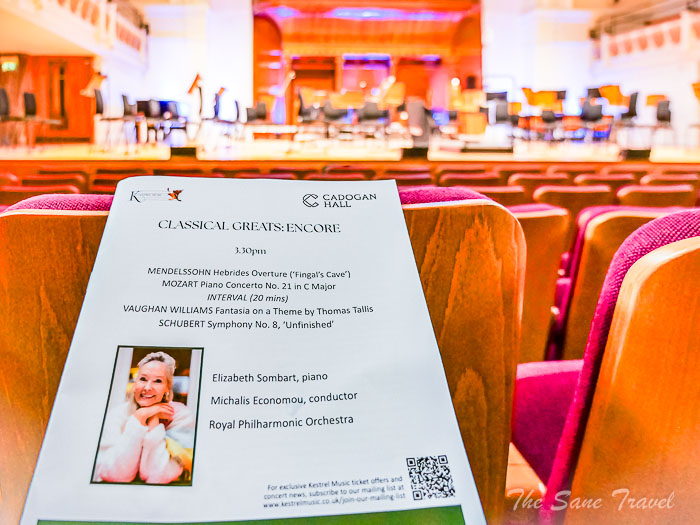
For classical concerts in London, Cadogan Hall in Chelsea is an excellent choice. As the resident home of the Royal Philharmonic Orchestra, it offers a diverse programme that also includes jazz, folk, and world music. Check out what is on at this vibrant venue near Sloane Square. Housed in a former Christian Science church, Cadogan Hall hosts a wide range of performances, from contemporary music to comedy shows, live podcast recordings, and talks. With its resident Royal Philharmonic Orchestra and numerous visiting choirs and ensembles, there is always something happening.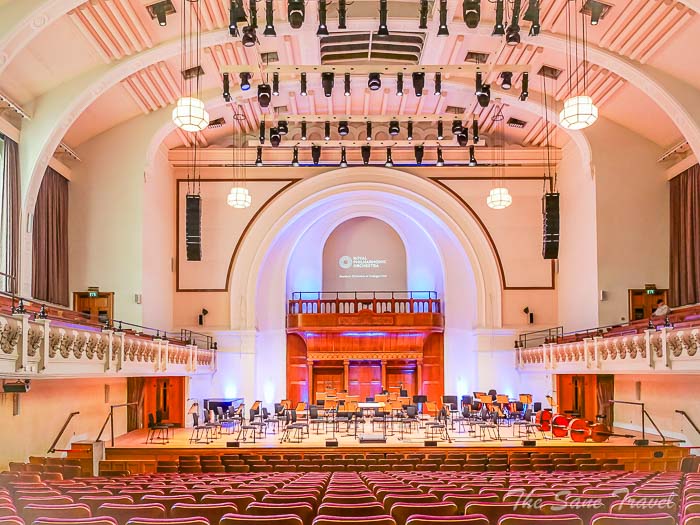
3 Amsterdam
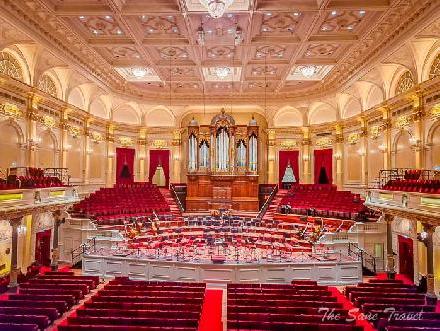
Amsterdam’s Concertgebouw: A Symphony of Sound and Architecture
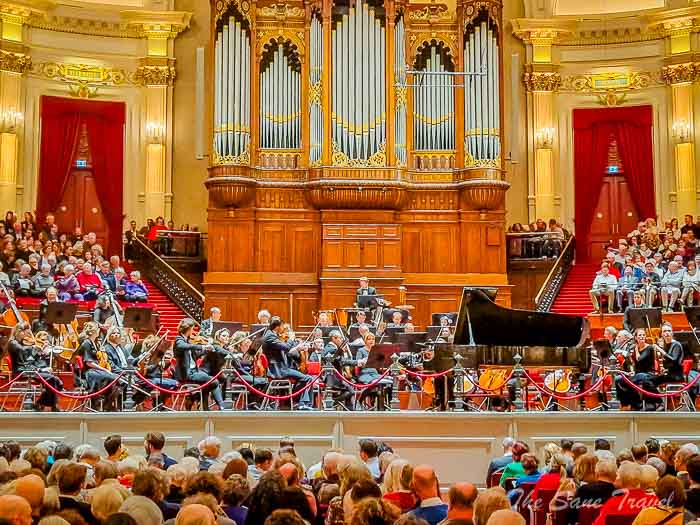
Bernard Haitink, the renowned Dutch conductor, once praised The Concertgebouw as the orchestra’s finest instrument, and it is easy to see why. Opened in 1888, this neoclassical marvel soon became one of Amsterdam’s most celebrated cultural landmarks. The Concertgebouw is a remarkable example of 19th-century architecture, admired for both its interior and exterior design. Today, alongside the esteemed Royal Concertgebouw Orchestra, this venue is renowned worldwide for its exceptional acoustics and architectural splendour, making it one of the world’s most prestigious concert halls. A visit to The Concertgebouw promises a distinctive and thrilling experience, with a diverse programme catering to all tastes, from classical symphonies and operas to jazz and contemporary music performed by artists from across the globe. Conveniently situated in the heart of Amsterdam near the Museumplein and other cultural sites, The Concertgebouw is easily accessible.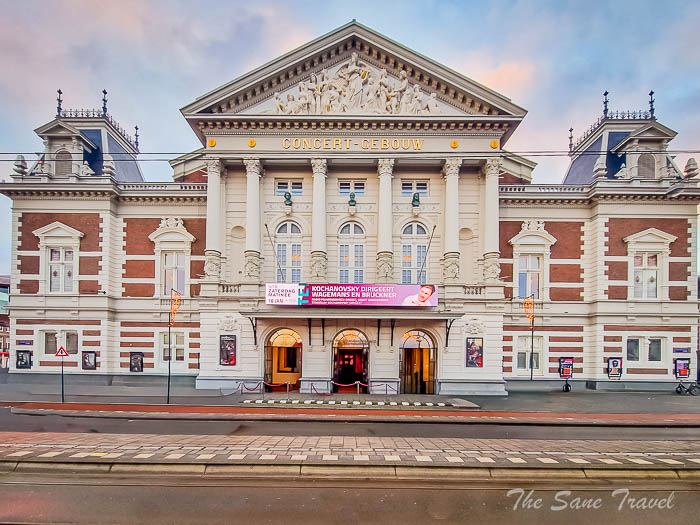
While you are in town, do not miss the excellent programme at the Dutch National Opera & Ballet, featuring festive classics such as Sleeping Beauty and The Nutcracker, alongside celebrated operas like Carmen, Turandot, Dido and Aeneas, and many more.
4 Vienna: A City Steeped in Musical History
Vienna, known as the city of music and the cultural heart of Austria, has always been a hub for musical talent. Renowned composers such as Mozart, Beethoven, and the Strauss family not only lived in Vienna but also drew inspiration from its unique ambience. The city is home to three main opera houses: the Vienna State Opera (Wiener Staatsoper), the Volksoper, and the Theater an der Wien.
Vienna State Opera
Among them, the Vienna State Opera stands out for its impressive architecture, exceptional acoustics, top-notch orchestra, and talented singers. Originally opened in May 1869, the opera house underwent extensive renovation after being damaged during World War II and reopened in 1955. Today, visitors can still admire parts of the original exterior, including the loggia and façades. The Vienna State Opera is globally recognised as one of the most significant opera houses, offering a wide range of performances, including popular operas such as Aida, Tosca, La Traviata, The Magic Flute, The Nutcracker, The Marriage of Figaro, and Der Rosenkavalier. Tickets for opera performances are highly sought after, so it is advisable to book in advance.
Best concert halls in Vienna
In addition to its opera houses, Vienna also boasts two exceptional concert halls: the Musikverein and the Wiener Konzerthaus. The Musikverein, with its renowned Golden Hall, hosts daily performances of the highest quality, featuring ensembles such as the Vienna Mozart Orchestra and the Vienna Philharmonic. A guided tour of the Musikverein provides insight into its rich musical history. Another notable venue, the Wiener Konzerthaus, established in 1913, offers a diverse programme catering to a range of musical tastes, including classical, jazz, pop, and literary readings for all ages. Explore the history of the Wiener Konzerthaus and go behind the scenes with a captivating backstage tour.
Remember to explore classical music performances in beautiful churches in Vienna. If you enjoy Vivaldi's music, be sure to visit the Church of St. Charles. The ensemble 1756 performs Vivaldi's "The Four Seasons" at St. Charles Church, also known as Karlskirche, using historical instruments. Enjoy a unique concert experience in the stunning Baroque church, known for its impressive acoustics. It's good to know that Antonio Vivaldi is buried near the church.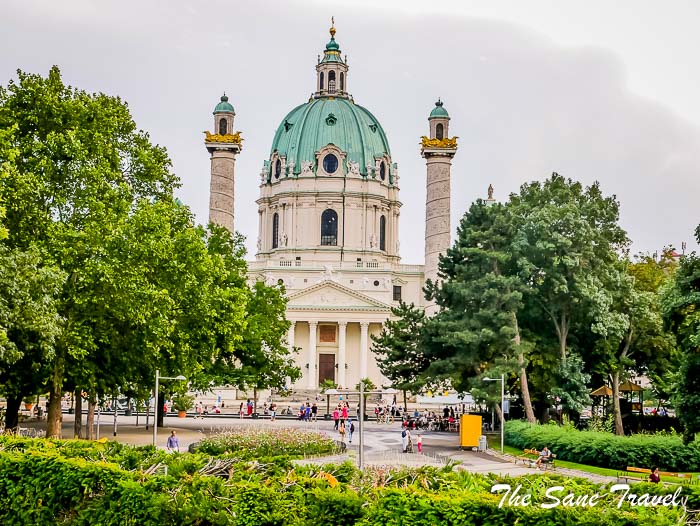
Daily Schönbrunn Palace Concerts in Vienna feature the renowned Schönbrunn Palace Orchestra and Ensemble performing Mozart and Strauss masterpieces at the historic Orangery, often accompanied by vocalists.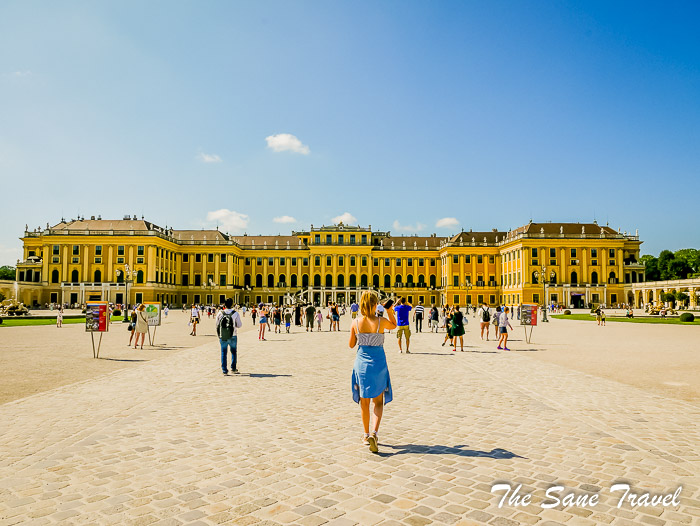
For a truly unforgettable musical journey, consider venturing beyond Vienna in Austria to experience some of Europe’s most prestigious opera festivals.
5 Bregenz Festival
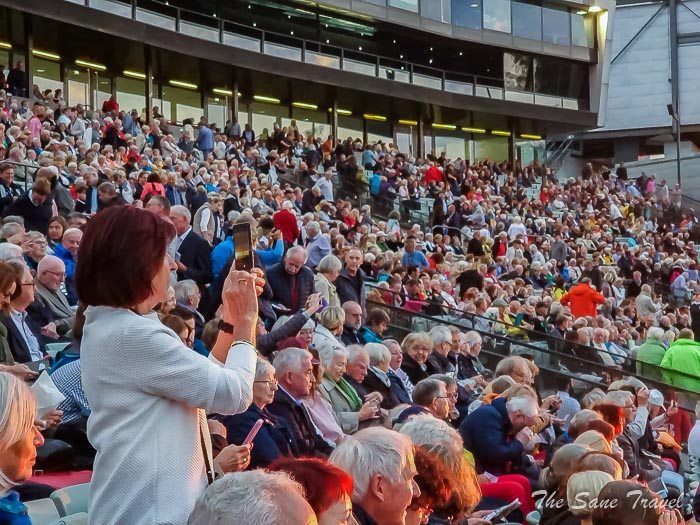
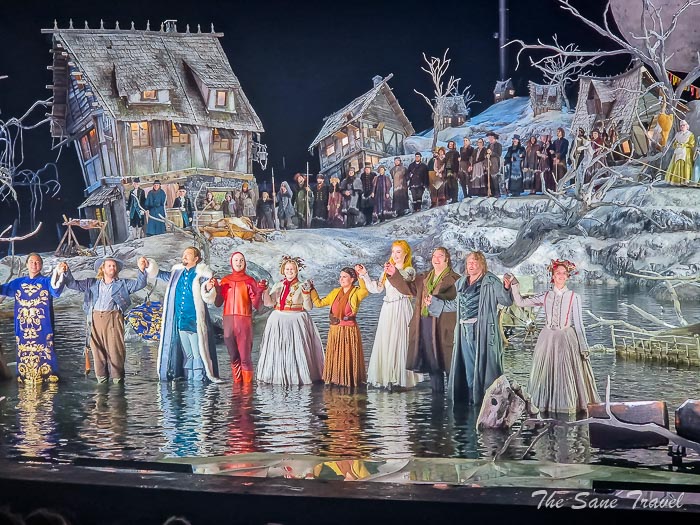
One of my personal favourites is the Bregenz Festival in Austria. Each summer, this festival showcases top-tier operas in a stunning outdoor venue, known for its beautiful scenery and enchanting ambience. Founded in 1946, the festival quickly gained international acclaim, attracting visitors from Germany, Switzerland, and France. The decision to use the lake as a stage proved to be a stroke of genius. Since then, the Bregenz Festival has welcomed opera enthusiasts every July and August. The highlight is the main opera production, performed on the Seebühne, a massive lakeside stage. Audiences of around 7,000 can enjoy operas such as Carmen, La Bohème, Tosca, Turandot, Madame Butterfly, and Rigoletto on the impressive floating stage. Each opera is typically performed over two consecutive years.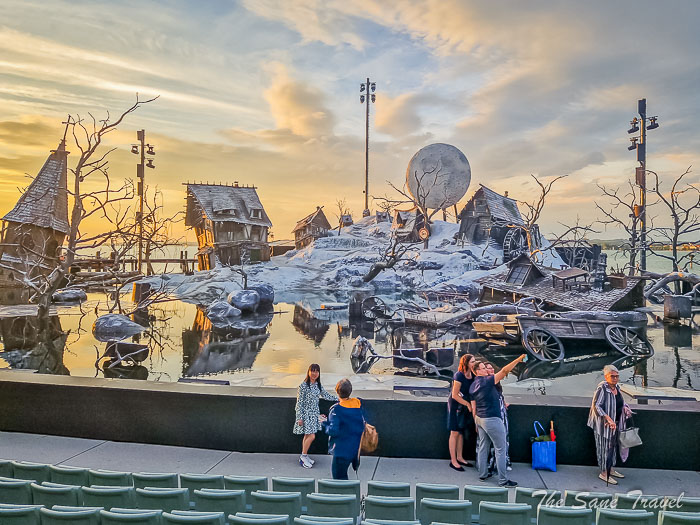
6 Dresden
Another must-visit destination for classical music lovers is Dresden. This city boasts a rich musical heritage and iconic venues, such as the Semperoper and Frauenkirche. The world-class Staatskapelle Dresden orchestra, baroque concerts in the Zwinger Palace, and the annual Dresden Music Festival in spring are just some of the highlights that await you. Since its inception in 1978, the Dresden Music Festival has attracted musicians of the highest calibre. However, the city’s musical history runs even deeper: it was the birthplace of Richard Wagner and Carl Maria von Weber, and later home to Richard Strauss.
Semperoper
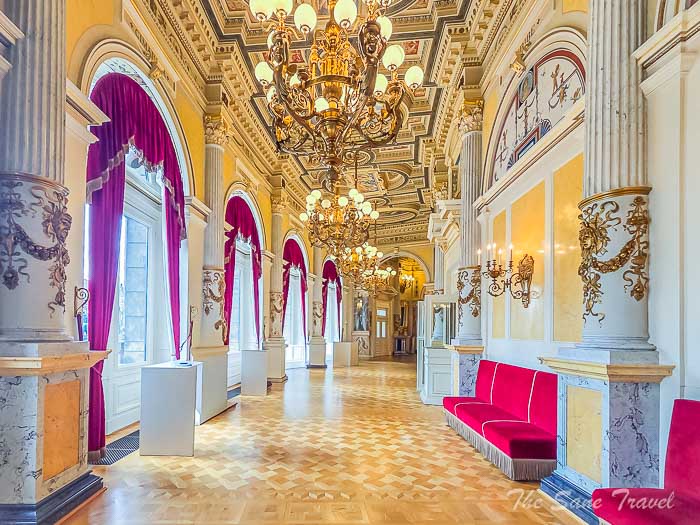
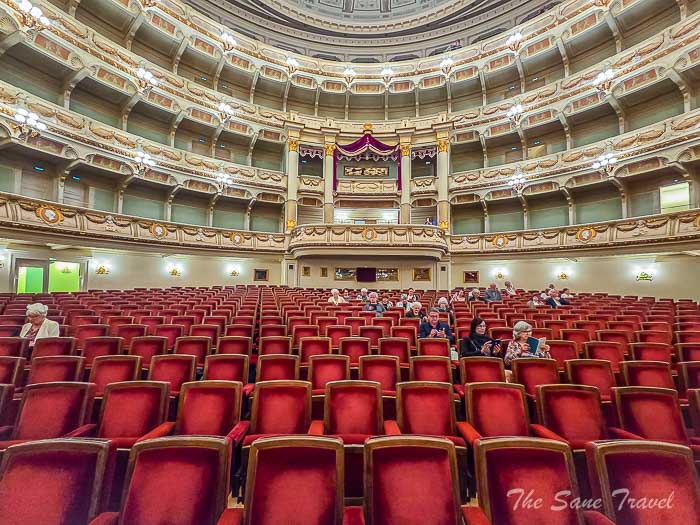
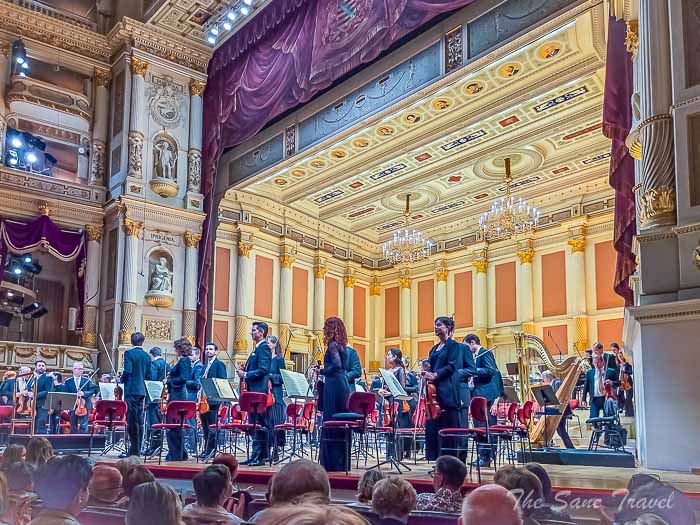
The magnificent Semperoper dominates Theaterplatz, forming the centrepiece of Dresden’s historic old city. Originally designed by Gottfried Semper in the mid-19th century, it combines Late Classical and Renaissance styles. Sadly, in 1945, at the end of World War II, the Semperoper was destroyed. However, after extensive reconstruction, one of Europe’s most beautiful opera houses reopened in 1985 with a celebratory performance of Carl Maria von Weber’s The Free Shooter (Der Freischütz). Today, the Semperoper is internationally renowned for its brilliant acoustics and incomparable performances. If you wish to take a tour, the English-language tour runs only once a day, so plan your schedule accordingly. Booking your ticket online in advance is the best way to ensure you see the incredible interiors.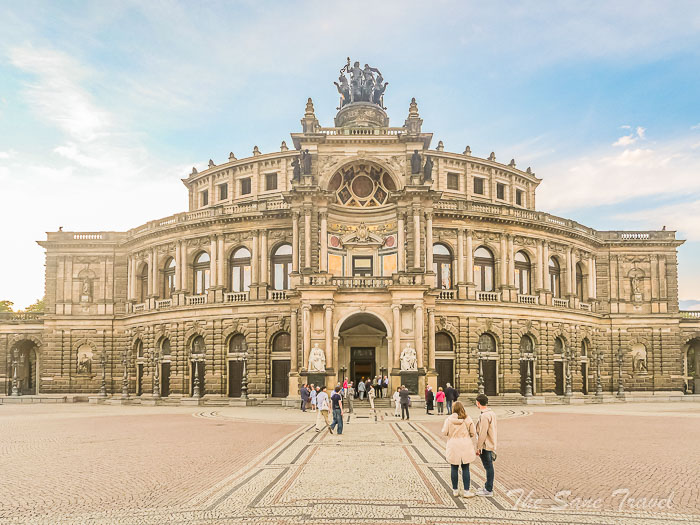
Kulturpalast
Not to be missed is the completely refurbished Kulturpalast, which opened its doors on the Old Market Square in 2017. Since then, the city has gained a new cultural centre that has delighted locals and reflects Dresden’s international standing. The newly constructed concert hall is the heart of the building and home to the Dresden Philharmonic. With outstanding acoustics and striking architecture, it is the premier venue for local orchestras and visiting stars.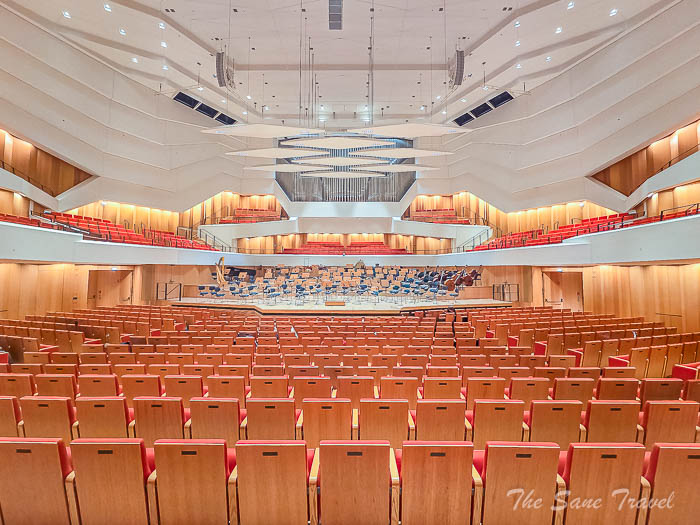
7 Hamburg
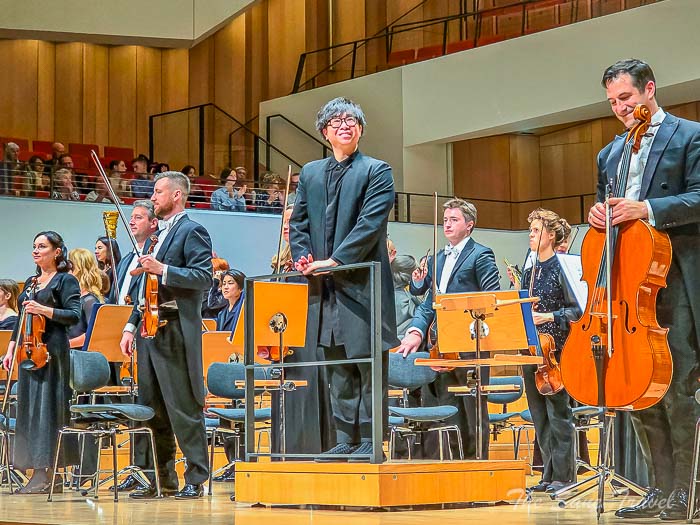
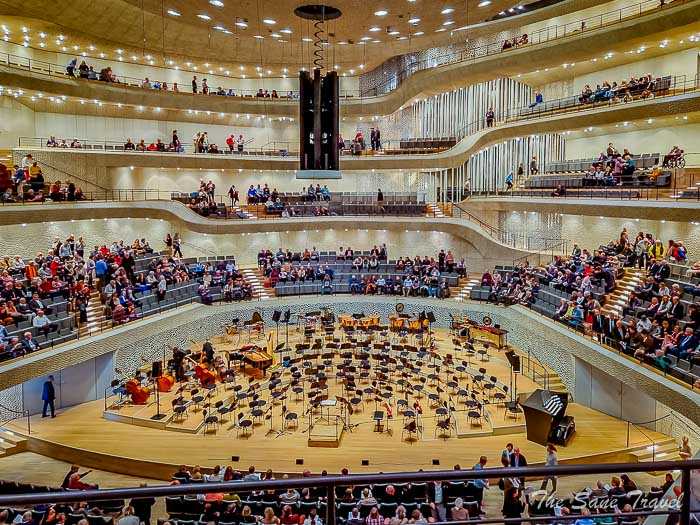
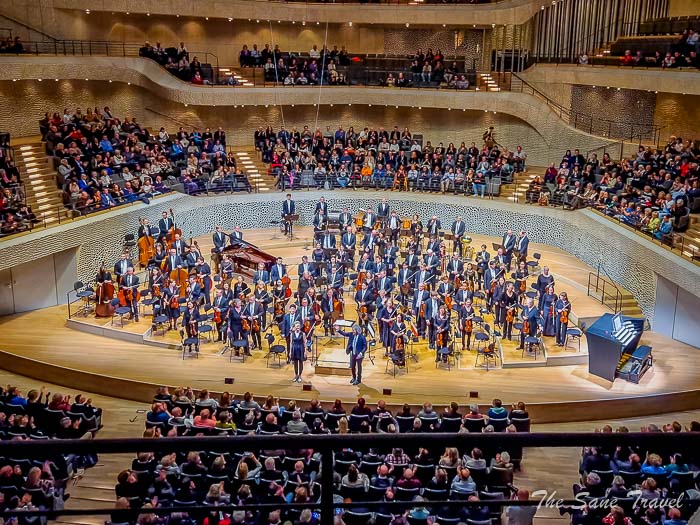
If you are looking for a reason to visit Hamburg, attending a concert at the Elbphilharmonie is reason enough. This spectacular concert hall stands in the historic Sandtorhafen docks, where the first warehouse, the Kaiserspeicher, was built in 1875. The architectural contrast between the old warehouse and the Elbphilharmonie’s modern glass structure is truly striking. The building features a unique entrance, reached via an 82-metre-long escalator that creates a glowing tunnel effect with its reflective glass sequins. The Grand Hall, situated 50 metres above ground with 2,100 seats, is the focal point of the Elbphilharmonie. Its vineyard-style architecture ensures superb acoustics, enhanced by a special material known as the White Skin, developed by acoustician Yasuhisa Toyota. Adding to its grandeur, the Grand Hall also houses a four-manual organ built by the Klais workshop in Bonn. Just remember to book your concert tickets well in advance.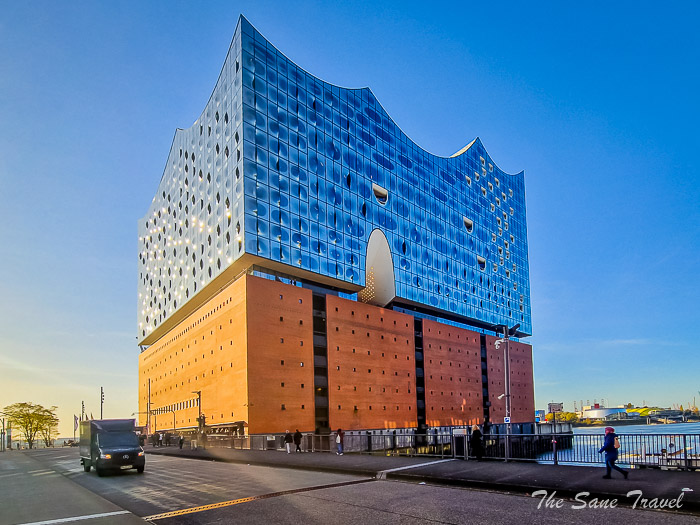
8 Naples
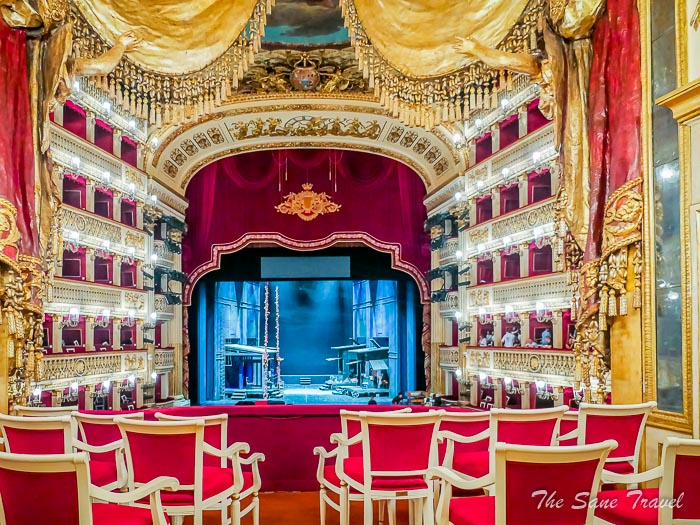
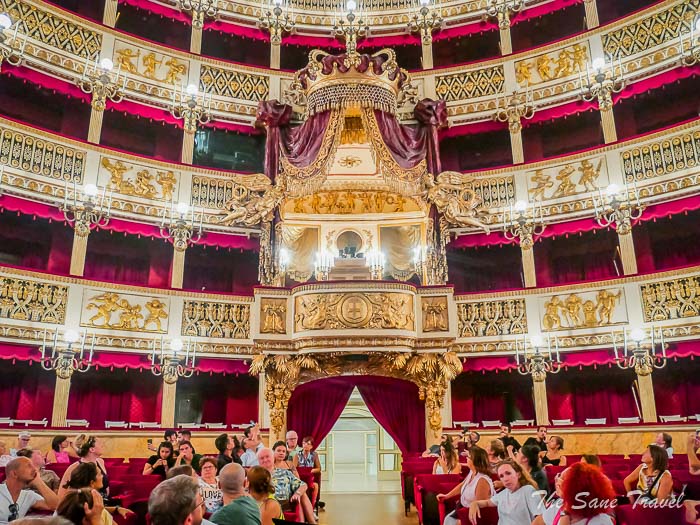
Naples boasts one of the world’s oldest opera houses, the Teatro di San Carlo, which dates back to 1737. When it was first built, this magnificent theatre could seat over 3,000 people. A true architectural jewel crafted by Giovanni Antonio Medrano, its gold-and-blue ornamentation was intended to showcase the royal power of Charles III of Bourbon. The Teatro di San Carlo quickly became a leading musical stage in Europe, attracting renowned foreign musicians like Haydn and Bach. Famous composers such as Gioachino Rossini and later Gaetano Donizetti even served as artistic directors. Today, the theatre continues to offer top-quality operas, dance performances, and concerts each season. Tickets are always in high demand – and rightly so, as the choice of performers and musicians is second to none, and the theatre itself is a sight to behold.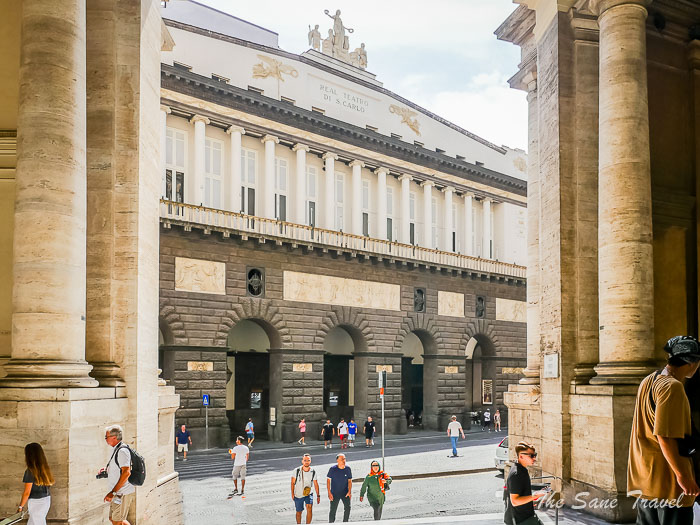
9 Catania
Inaugurated in 1890 with a performance of Bellini’s most famous opera, Norma, the Teatro Massimo Bellini is a magnificent and historically significant landmark in Catania, celebrated for its architectural grandeur. The theatre features a stunning neo-baroque façade and is renowned for its exceptional acoustics, which have been praised by many of the world’s leading artists, including the legendary Maria Callas. During the 20th century, many other eminent musicians graced its stage, among them Luciano Pavarotti, Riccardo Muti, and Renata Scotto. The theatre also serves as one of the venues for the annual Bellini Festival, which takes place over several weeks from late September to early November. Guided tours of this remarkable venue are readily available.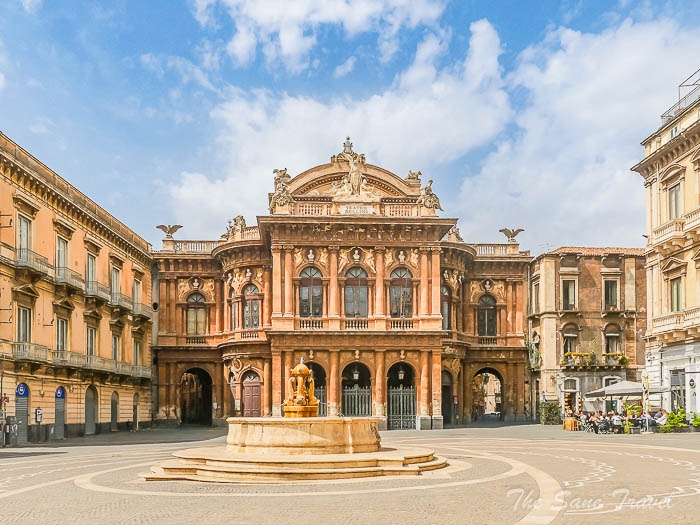
10 Palermo
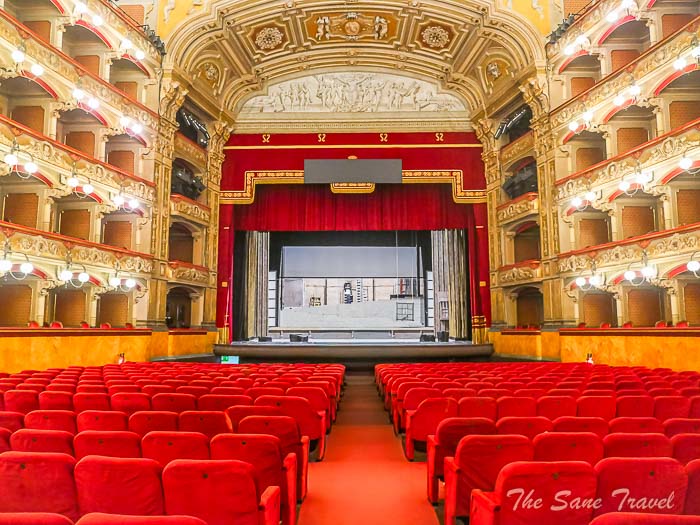
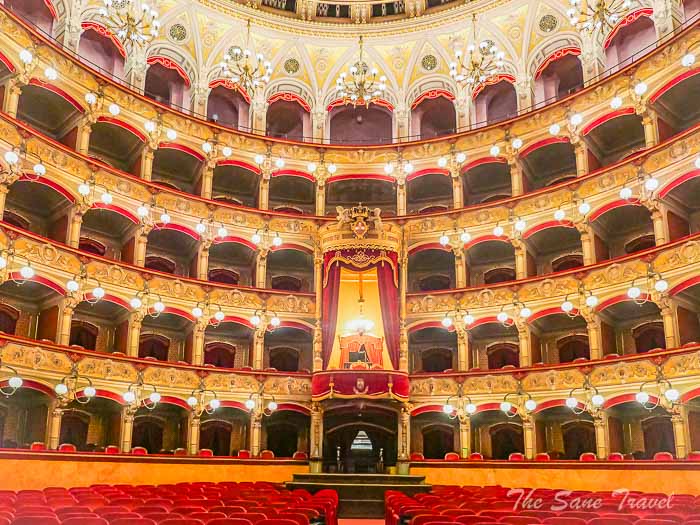
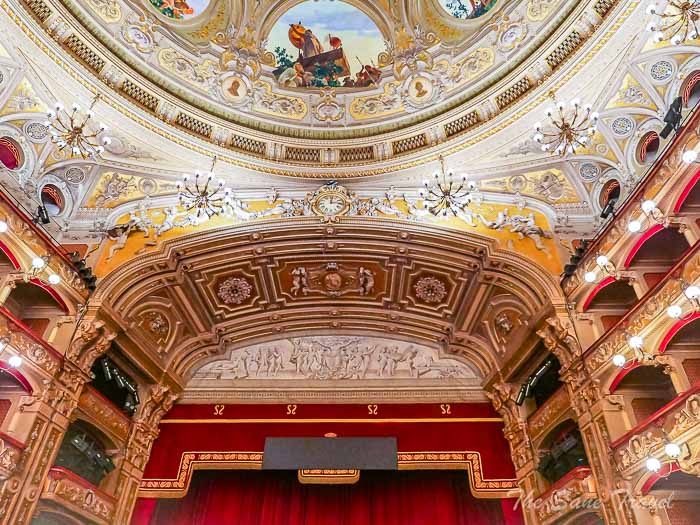
The Teatro Massimo in Palermo, Italy, is the largest opera house in the country and one of the grandest in Europe. Construction began in 1875 and was completed several years later. The architecture is impressive, with stunning halls, galleries, and staircases. The interior is adorned with ornate gilded decorations, red brocade armchairs, antique mirrors, and Murano chandeliers, exuding elegance and charm. The Great Hall is a particular highlight, known for its exceptional acoustics and the Symbolic Wheel fresco by Luigi di Giovanni. Originally designed to accommodate 3,000 spectators, the auditorium now seats 1,381 in seven tiers of boxes. The Teatro Massimo is famous for its opera, ballet, and classical music performances, and also offers educational programmes and guided tours. Tours run from 9:30 a.m. to 6:00 p.m., with tickets available at the box office or online.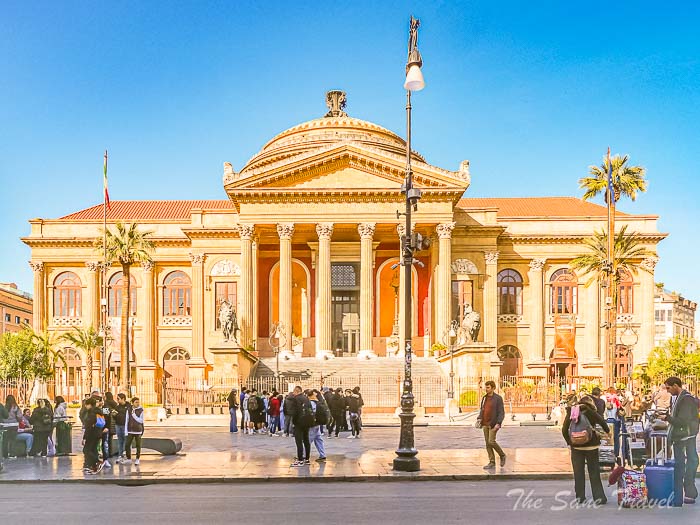
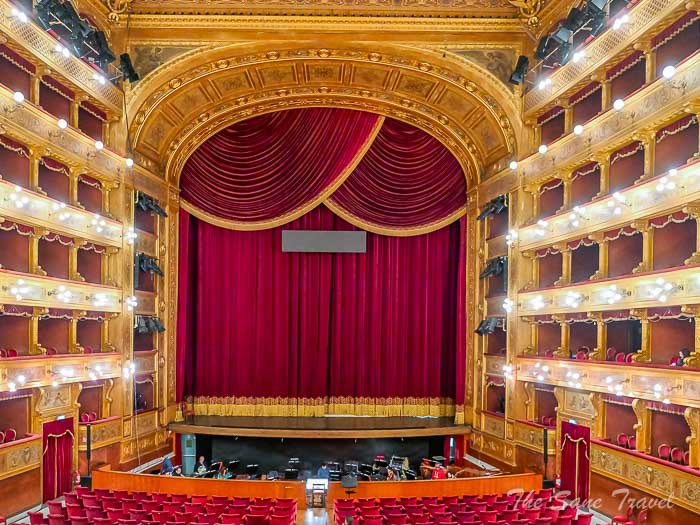
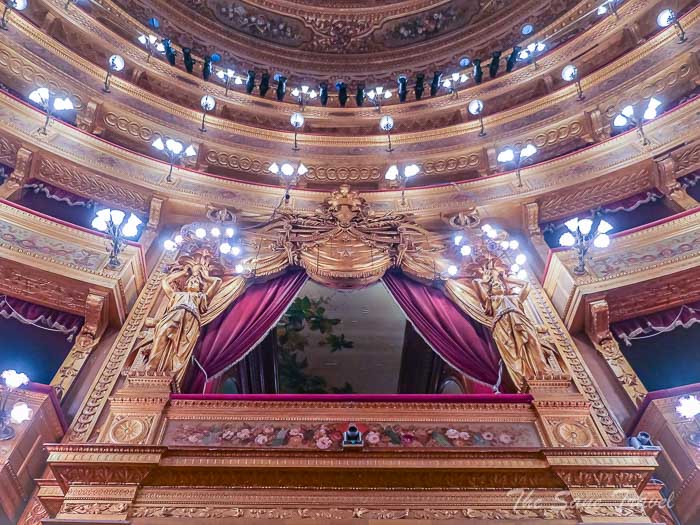
Another notable venue for classical music in Palermo is the Politeama Garibaldi Theatre.
Palermo’s Showstopper: Teatro Politeama Garibaldi
The Teatro Politeama Garibaldi, set in the lively Piazza Politeama, is a striking architectural masterpiece. Inspired by Pompeii, this neoclassical theatre features a magnificent triumphal arch at its entrance and a dramatic bronze chariot of Apollo on the roof. Opened in 1874, it was designed by architect Giuseppe Damiani Almeyda to modernise and democratise Palermo’s cultural scene. Today, the theatre is home to the Orchestra Sinfonica Siciliana and hosts a variety of events, including classical music performances, plays, and cultural festivals. Beyond performances, it is also used for official functions, international gatherings, and art exhibitions.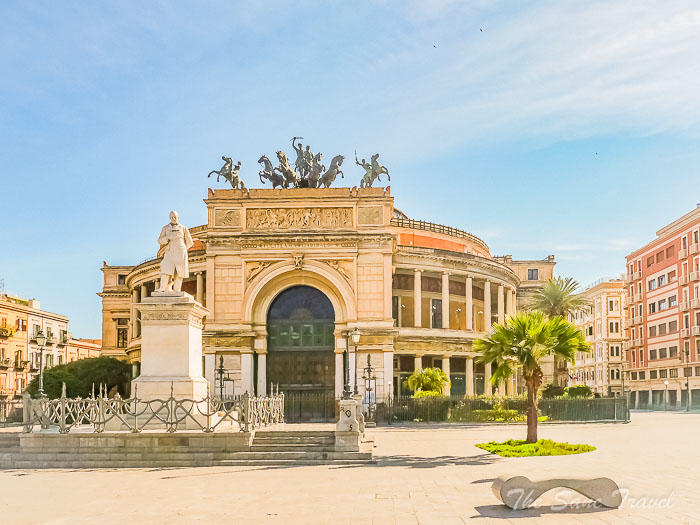
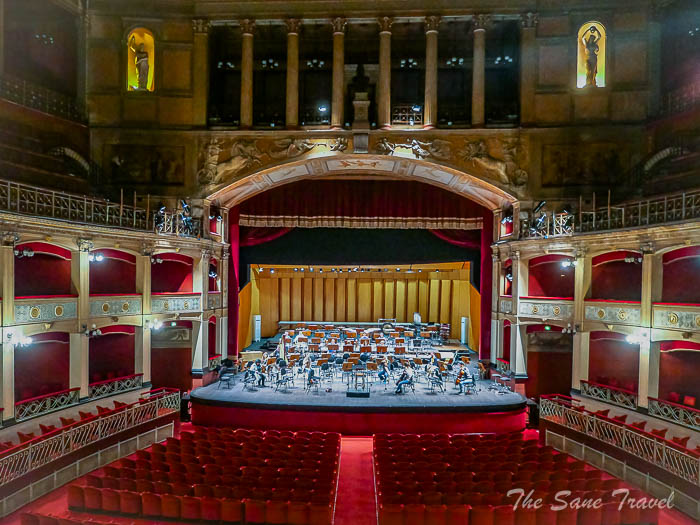
And, as a bonus, my hometown, Riga!
Riga’s White House: Latvian National Opera and Ballet
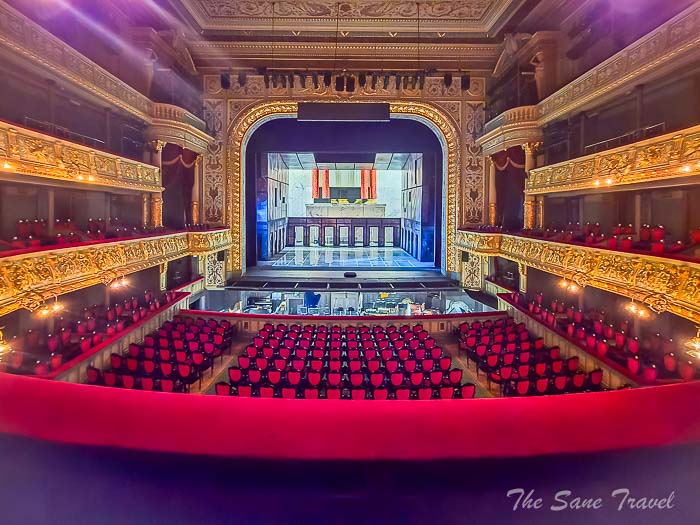
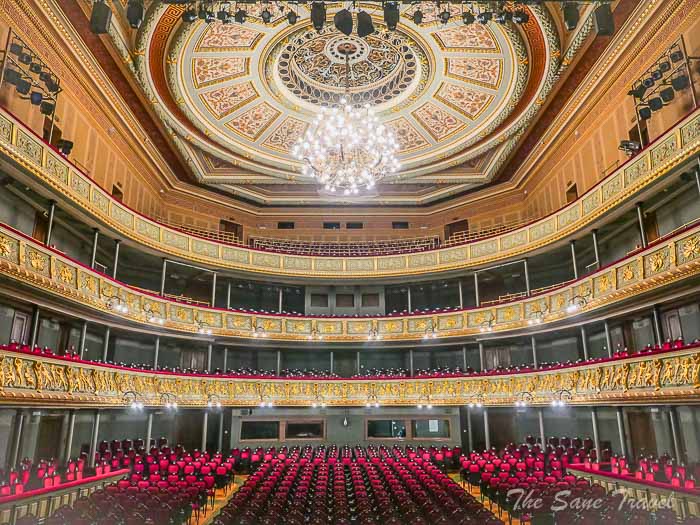
While my hometown of Riga may not boast a concert hall to rival some of the world’s greatest, it certainly takes pride in its “White House” – the Latvian National Opera and Ballet. This theatre, dating back to the 18th century, is a major cultural attraction and hosts a wide range of performances, including opera, ballet, symphony, and chamber music, from September to May. Renowned for its world-class artistry, it has played a crucial role in nurturing and launching the careers of many distinguished opera stars and musicians, including Elīna Garanča, Kristīne Opolais, Egils Siliņš, and Andris Nelsons. The Opera’s original building opened in 1782 and has undergone several renovations. Today, it remains a beloved cultural institution in Riga, cherished by locals and visitors alike.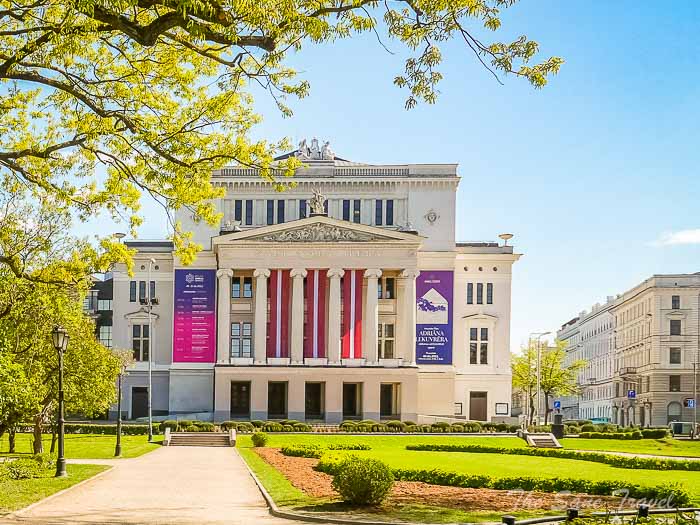
Valuable suggestion
Even if you are unable to make it to classical music concerts or opera shows due to time constraints or ticket availability, I suggest considering taking a tour of the Opera houses discussed in this article, as their interiors are truly impressive. Happy musical travels!
Like it? Pin it!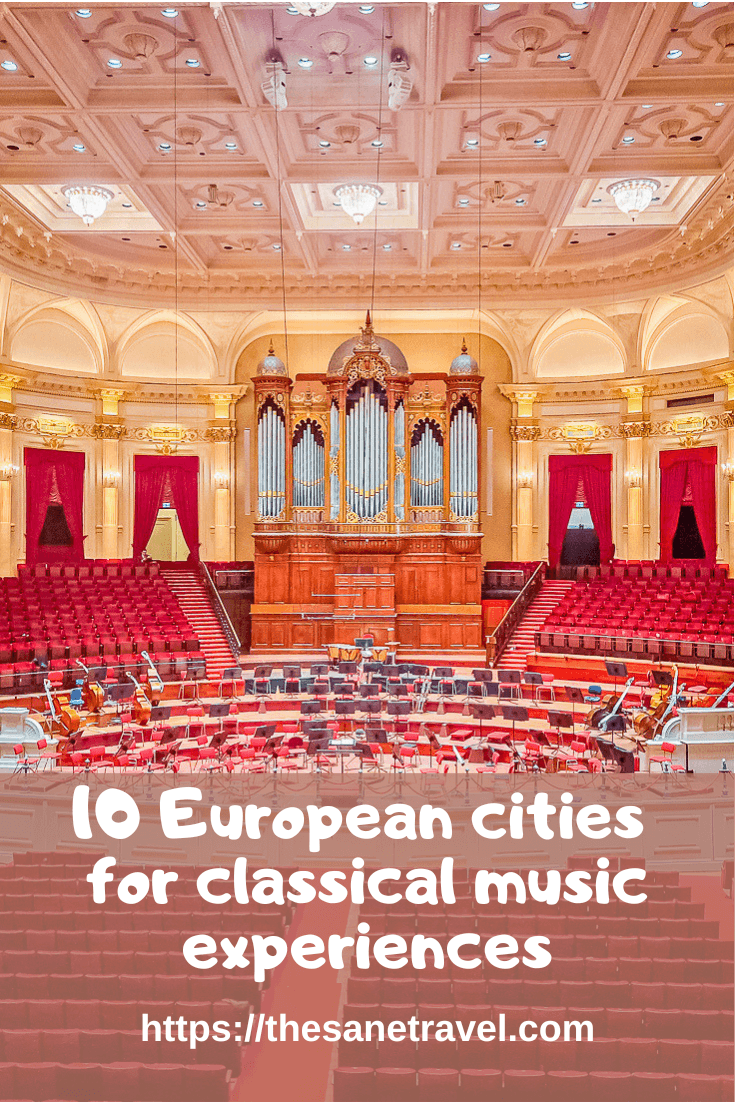
What did you think? Do you include classical music events in your travel plans? I would love to hear from you, so please add your comment below.
Author: Anita Sane

About the author
Anita is a part-time traveller, passionate photographer and a retired career woman from Latvia, travelling mostly solo for more than 15 years. She is a skilled travel planner who plans and executes her travels by herself. Anita wants to show you how to travel the world and open your mind to new experiences. Follow her on Facebook, Instagram, Pinterest, Twitter and Bloglovin.









Report
My comments