
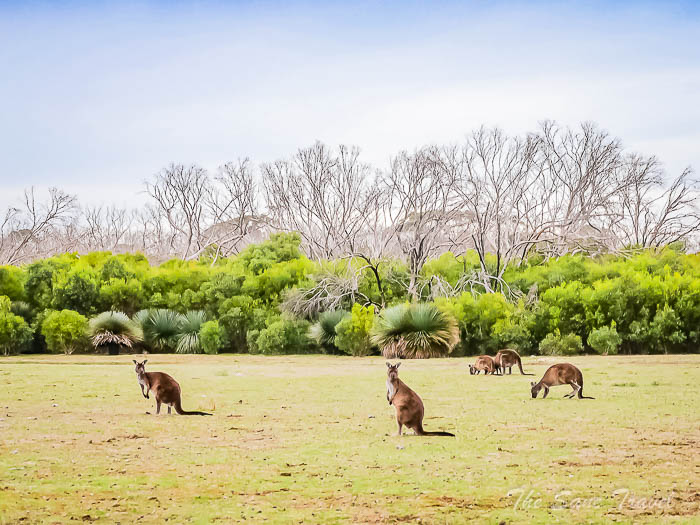
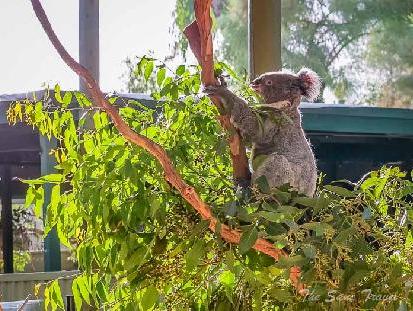
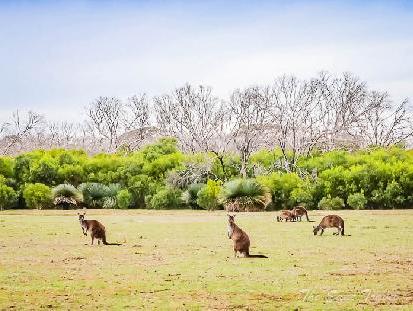
Kangaroo Island, also known as KI by locals, is a popular destination in South Australia, renowned for its pristine wilderness, thriving food and wine industry, and stunning coastline. The island is the third largest in Australia, measuring 155 kilometres long and 55 kilometres wide. Home to approximately 4,200 residents, the island’s key industries include agriculture, tourism, and fishing. More than a third of KI is covered by nature reserves, providing habitat for a diverse range of native wildlife, including kangaroos, wallabies, echidnas, goannas, platypuses, and koalas. Visitors can enjoy award-winning wines and locally produced goods, including honey, chutneys, olives, eggs, and seafood. Activities on the island range from boating and swimming to caving and bushwalking, making it a diverse and exciting destination for travellers. 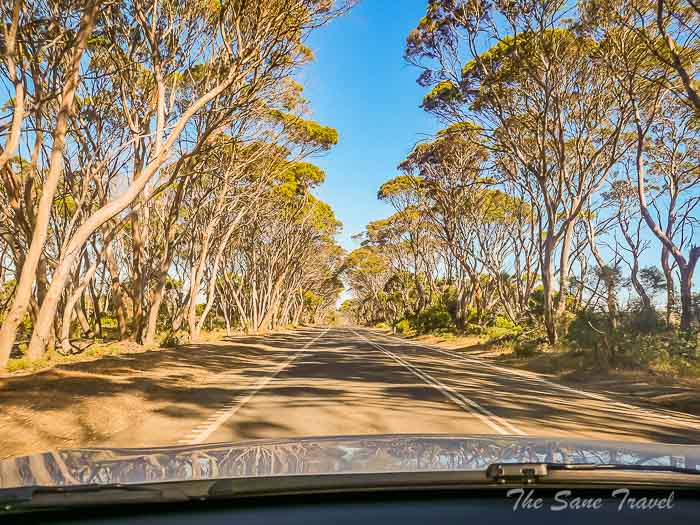 Take a look at my two-day road trip itinerary for this incredible island, but before we get into that, I want to share a story about bushfires that occurred there.
Bushfires in Kangaroo Island
Between December 2019 and January 2020, bushfires scorched around 210,000 hectares of land on Kangaroo Island, nearly half of the island’s total area. Bushfires have long played a significant role in shaping the island’s ecology, with major fires also occurring in 2007, 1968, 1958, 1954, 1953, and 1931. During my visit to the island in April 2026, the only reminders of the recent bushfires were blackened tree trunks in some areas, now partly covered with new green shoots.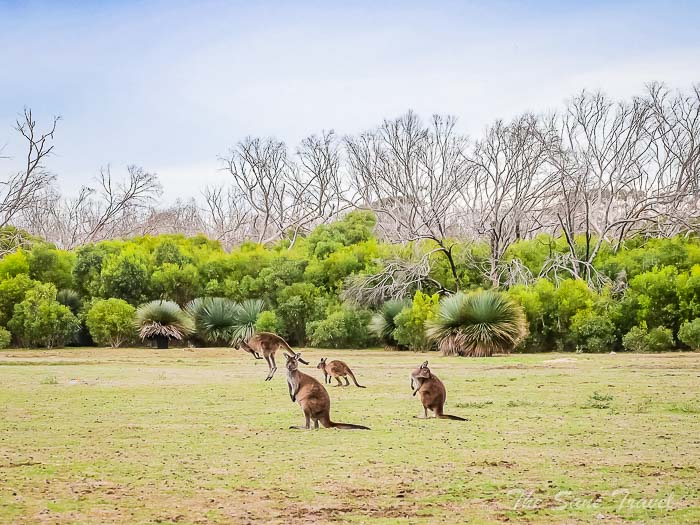
Here is my plan for a two-day road trip around Kangaroo Island, starting from Adelaide.
Day 1: 200 kilometres driving.
Adelaide –Penneshaw
Depart Adelaide in the morning and drive approximately 110 kilometres to the SeaLink Ferry Terminal in Cape Jervis. The drive takes around 1.5 hours, and it is recommended to arrive at least 30 minutes before the noon departure.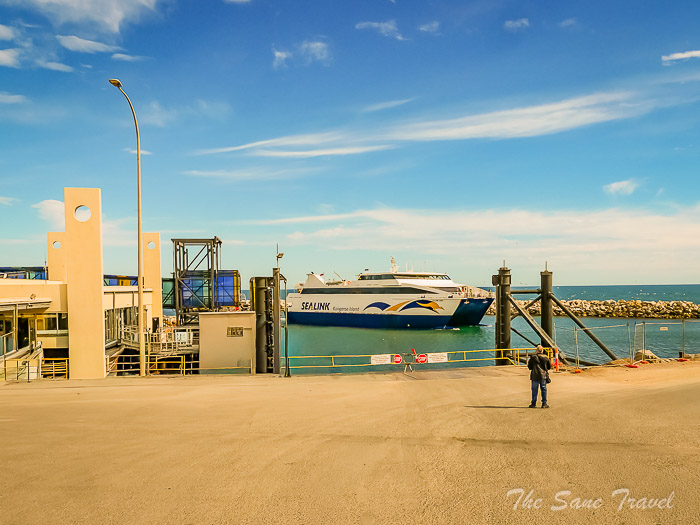
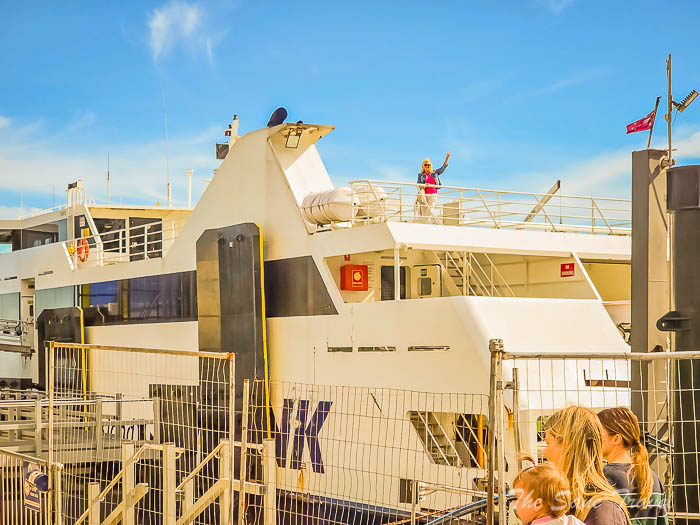 Upon arriving in Penneshaw, take the 18-kilometre route to Prospect Hill, which offers beautiful views and a memorable experience. Consider making a stop at Baudin Beach before reaching Prospect Hill.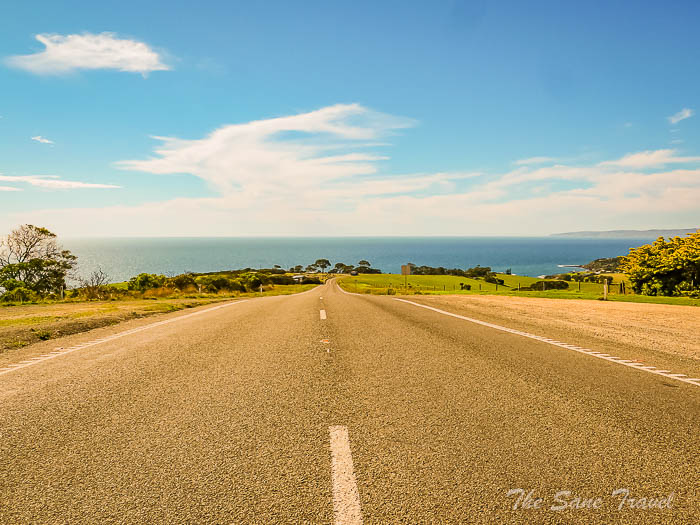
Baudin Beach
Baudin Beach, situated on the Dudley Peninsula, was officially named in 2002 in recognition of the French navigator Nicolas Baudin, who explored Kangaroo Island in 1802. Before this change, the area was referred to as American Beach. Visitors to Baudin Beach can enjoy a peaceful setting for a picnic lunch and a leisurely walk along the beach and foreshore.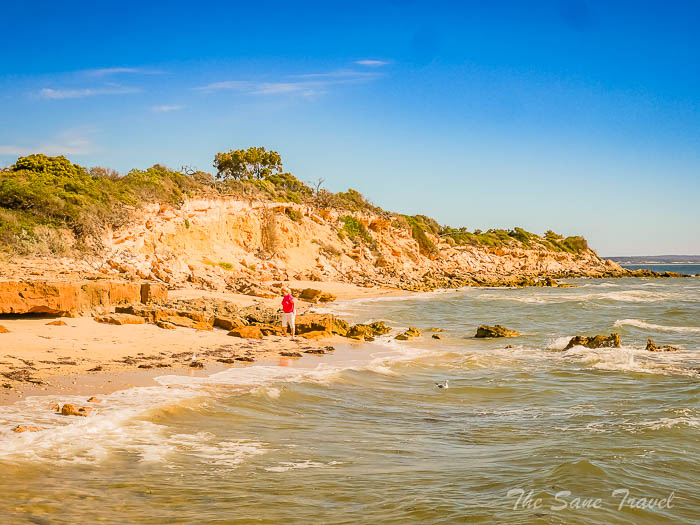
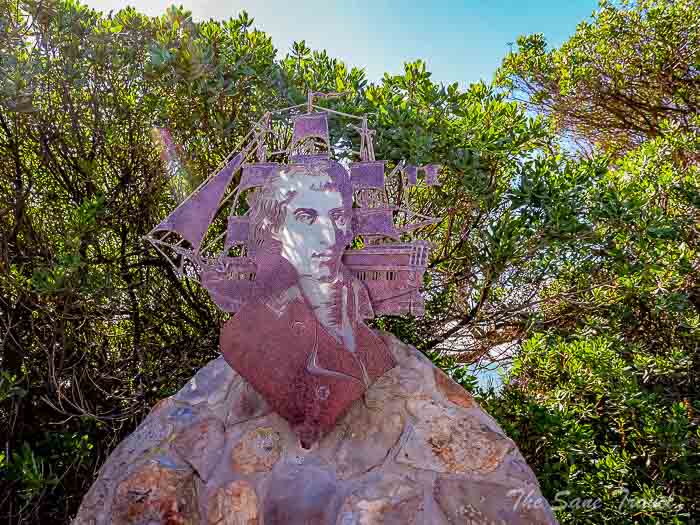
Prospect Hill
Park your car and prepare to ascend Prospect Hill, which at 103 metres is the highest point on Kangaroo Island. The climb offers both a good workout and rewarding views. Challenge yourself with the more than 500 steps to the summit, first climbed by explorer Matthew Flinders in 1802. At the top viewing platform, enjoy 360-degree views encompassing Pelican Lagoon to the north, Pennington Bay to the south, and the Dudley Peninsula.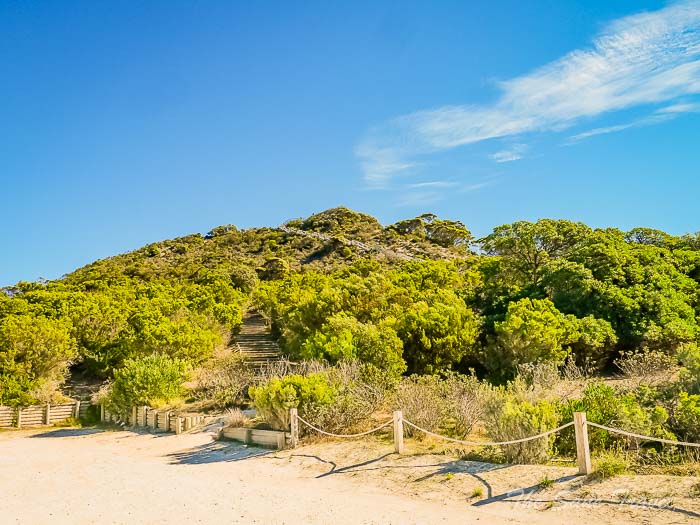
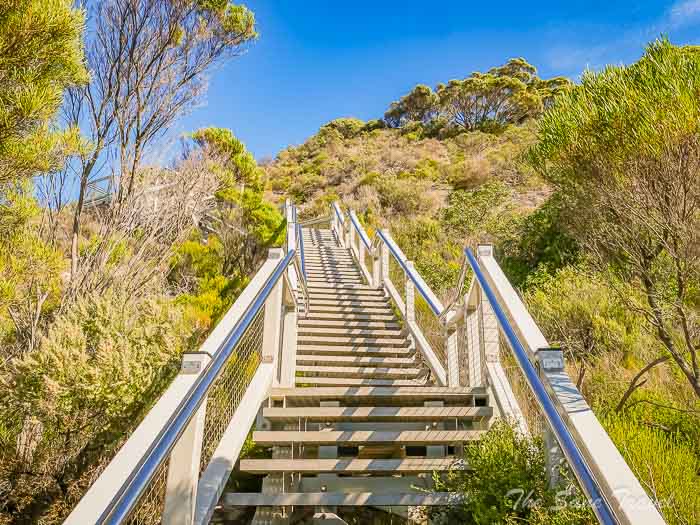
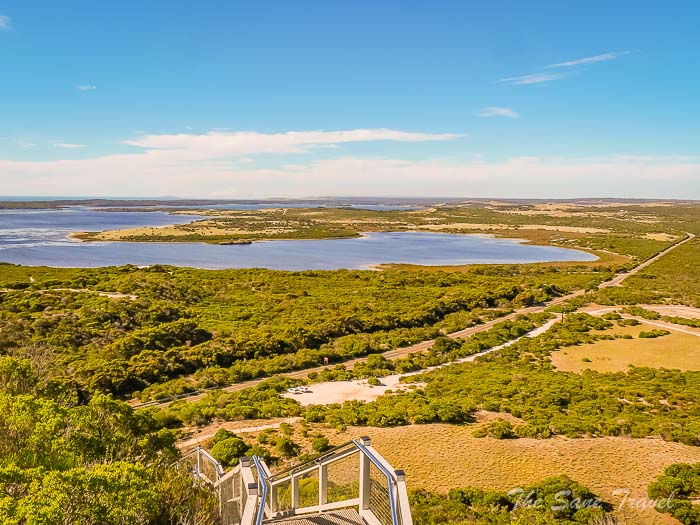 Take a moment to read the interpretive signs, which provide information on the area’s history and local flora and fauna. Keep an eye out for wildlife, particularly Southern Right Whales offshore, if visiting between May and October.
Pennington Bay Beach
Your next destination is the nearby Pennington Bay Beach. This secluded beach is a hidden gem with very few visitors, offering a peaceful and quiet experience. The views from Pennington Bay Road are particularly stunning, with the road running along the edge of a hill above the bay. Known for its natural beauty, the area feels serene and secluded, away from tourist crowds. Visitors can enjoy leisurely walks or light water activities in the tranquil surroundings. Although lacking in amenities, Pennington Bay provides a chance to connect with nature and relax.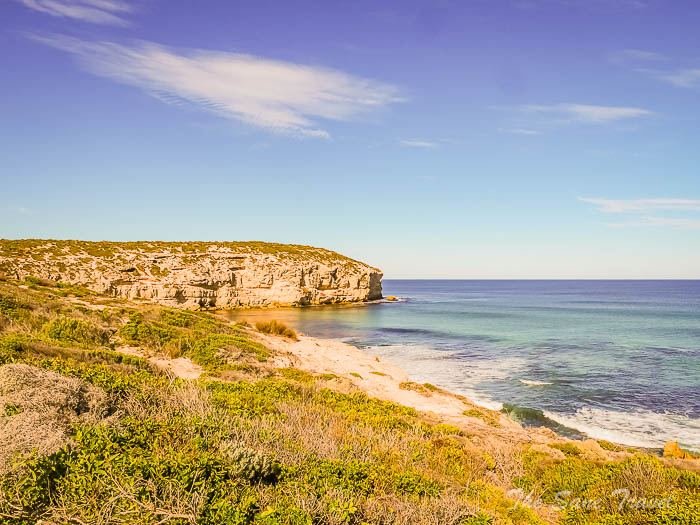
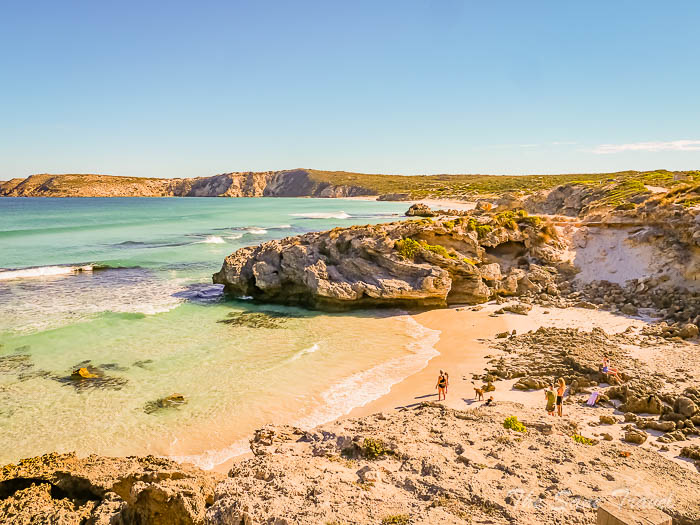
I continued without stopping, but you may wish to take a brief photo stop at Salt Lagoon before continuing to Emu Bay Beach.
Salt Lagoon
Not many people are aware of the pink salt lagoon on this island, tucked away off the North Coast Road. There is a gravel pull-off area with free parking near the lagoon, and it is easily accessible in a standard 2WD vehicle. It is a popular stop for visitors to admire the pink-hued water, although caution is advised when approaching the water’s edge, as the lakebed and surrounding shoreline can be unstable and may contain quicksand or slippery areas. Visitors typically make a brief stop of 10 to 15 minutes for photos.
Emu Bay Beach
The north coast of Kangaroo Island boasts Emu Bay, a long, picturesque white-sand beach. This beach is popular with visitors for its crystal-clear waters, wide shoreline, and safe swimming conditions. It is one of the few beaches on Kangaroo Island that can be accessed directly by car. Emu Bay is also home to a charming campground managed by the local council. To locate the beach easily, search for “Emu Bay Wildlife Signs” on Google Maps rather than just “Emu Bay”, as there is a small nearby village with the same name. My pictures are from there, not from the real beach.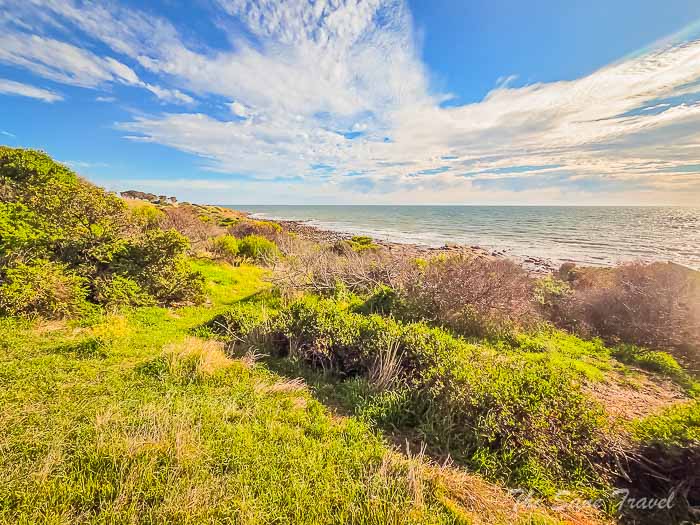
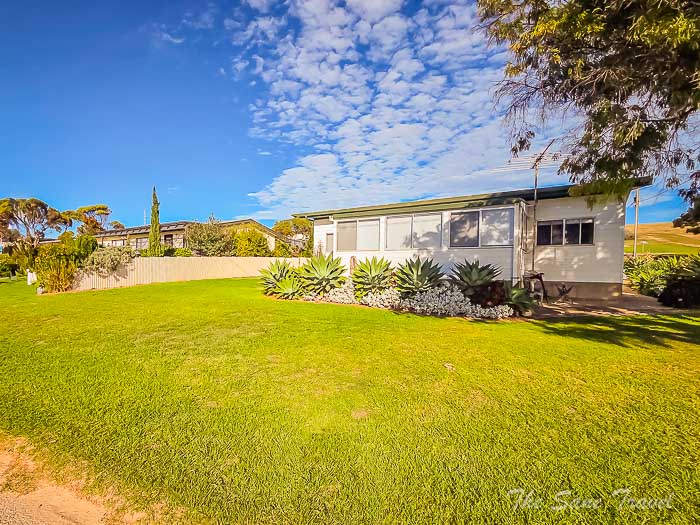 After enjoying the beach and taking a swim if the weather permits, head to Kingscote. Upon arriving in the town, you will immediately notice the striking Kingscote Silo Art.
Kingscote Silo Art
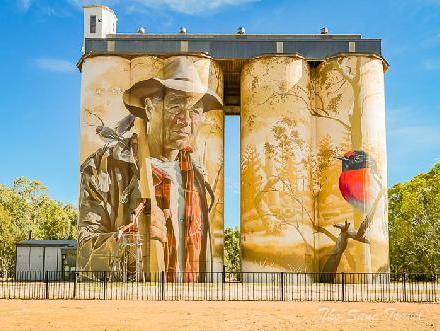
In January 2022, artists Cam Scale and Andrew Davis collaborated to paint the Kingscote Silos, creating a visually striking mural featuring a large kangaroo and a black cockatoo. Highlighting the natural beauty of Kangaroo Island, the artwork has been recognised as one of the largest painted depictions of kangaroos in the world. One side of the silo showcases a 22-metre-tall painting of a mother kangaroo with her joey, while the opposite side features a majestic black cockatoo. It's one of many Silo artworks in South Australia.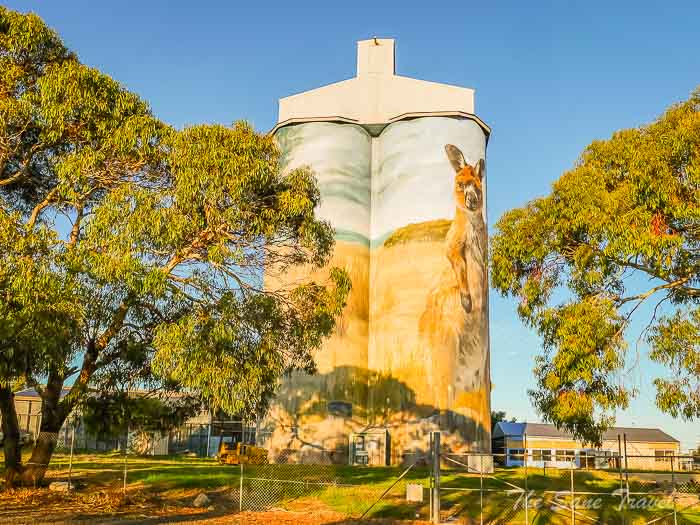
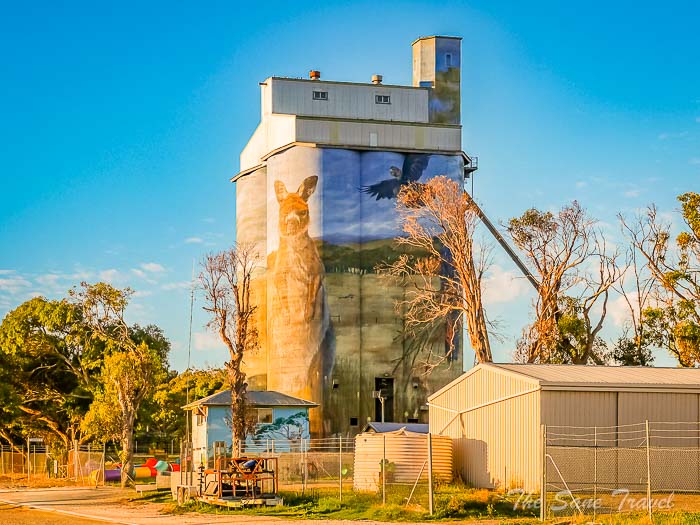 Visitors to Kingscote can also explore five other small artworks scattered throughout the area.
Location: Cnr Addison Street & Karatta Street, Kingscote
Once you arrive in Kingscote, you can check in to your hotel. I chose the Ozone Hotel.
Ozone Hotel
Welcome to the Ozone Hotel in Kingscote, set on the waterfront of one of South Australia’s most pristine coastlines. Enjoy high-quality accommodation on Kangaroo Island, with stunning views over Nepean Bay from Parsons Restaurant. The hotel offers a range of accommodation options, including standard rooms and self-contained apartments. My travel companion and I were delighted to receive a complimentary upgrade to a penthouse suite. The self-contained penthouses feature two bedrooms and are situated on the top floor of the Flinders Building, with a private balcony overlooking Nepean Bay and Kingscote Wharf.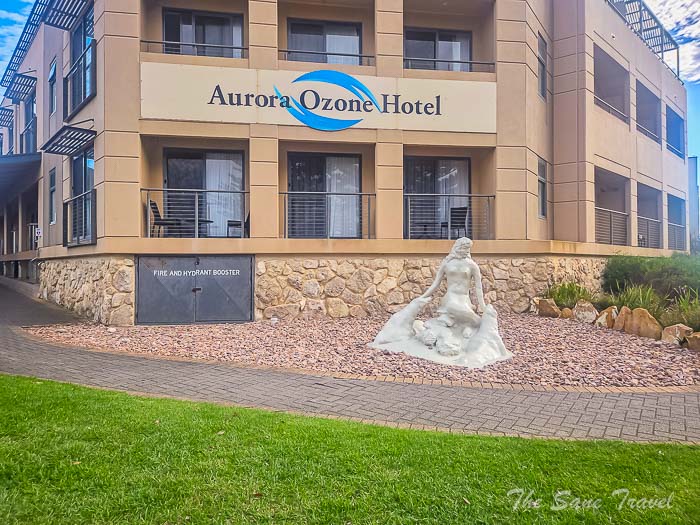
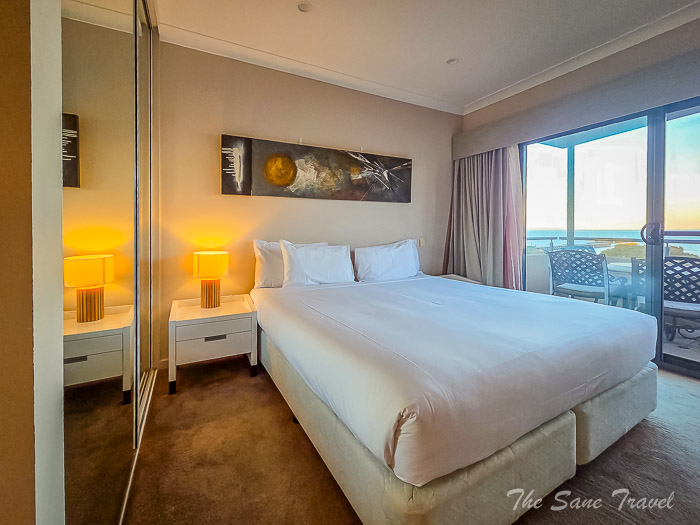
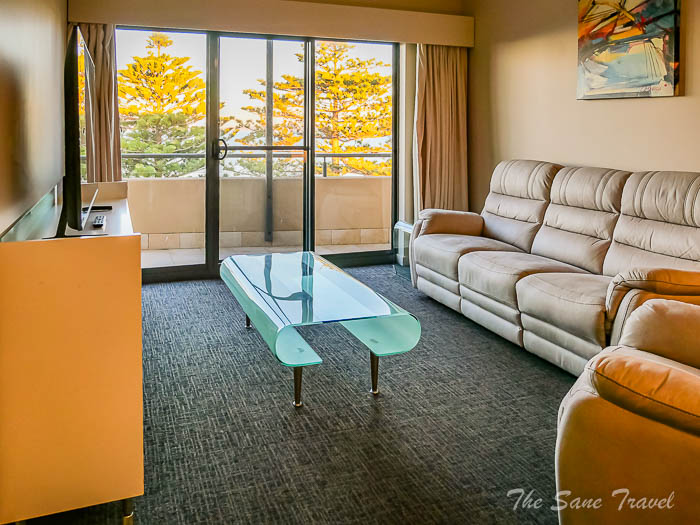
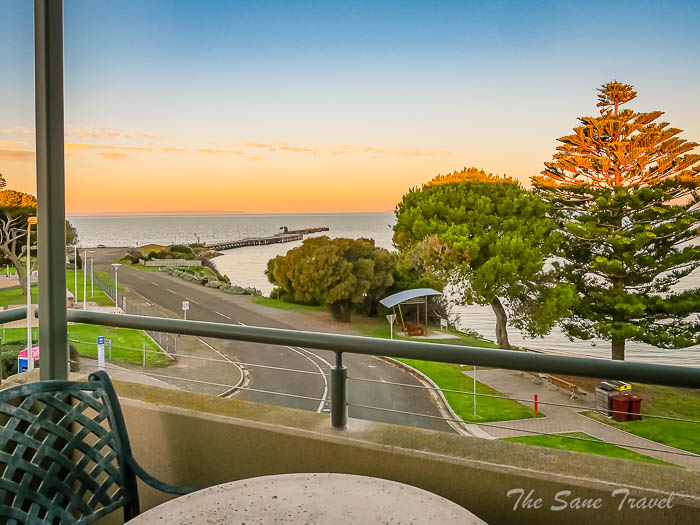
This is a road map for day 1.
Day 2: 300 kilometres driving plus the distance to accommodation on the mainland.
If you are not planning to stay another night at the Ozone Hotel, please check out before driving about 100 kilometres to the Flinders Chase Visitor Centre.
Flinders Chase Visitor Centre
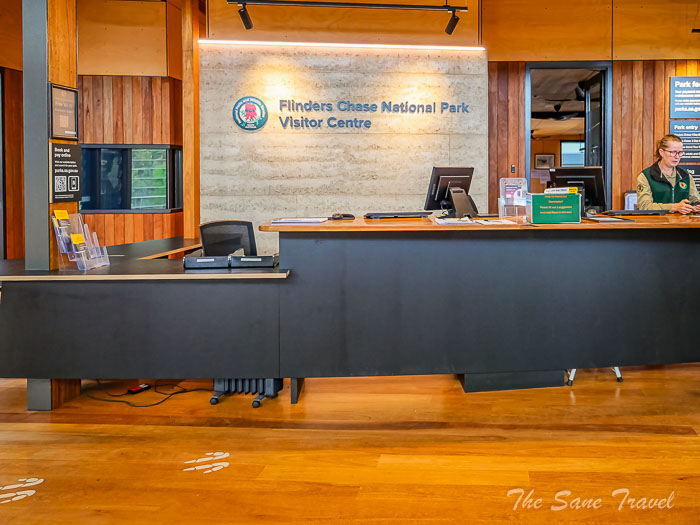
The Flinders Chase Visitor Centre was destroyed in early January 2020 during the devastating bushfires that affected Kangaroo Island, South Australia. A new $19.5 million, environmentally friendly, fire-resistant visitor centre was constructed and officially opened in July 2024. The centre serves as a key starting point for visitors exploring Kangaroo Island’s unique wilderness, offering ticketing, local advice, and trip-planning services for attractions such as Remarkable Rocks and Admirals Arch. The Rocks Café offers a range of locally sourced food and beverages for visitors to enjoy before embarking on their adventures.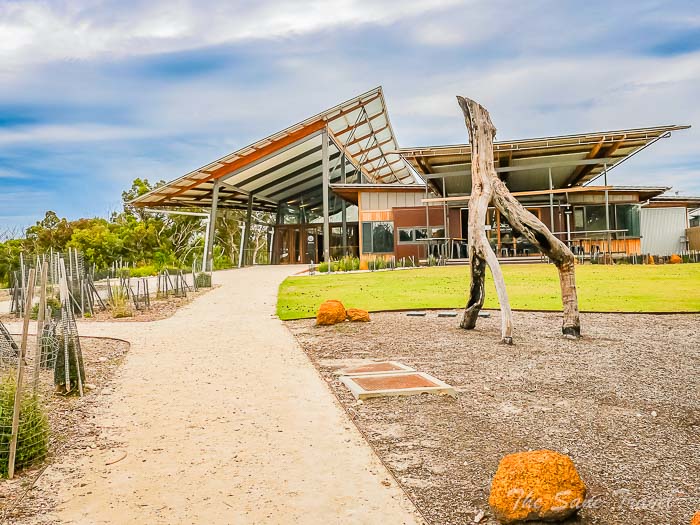
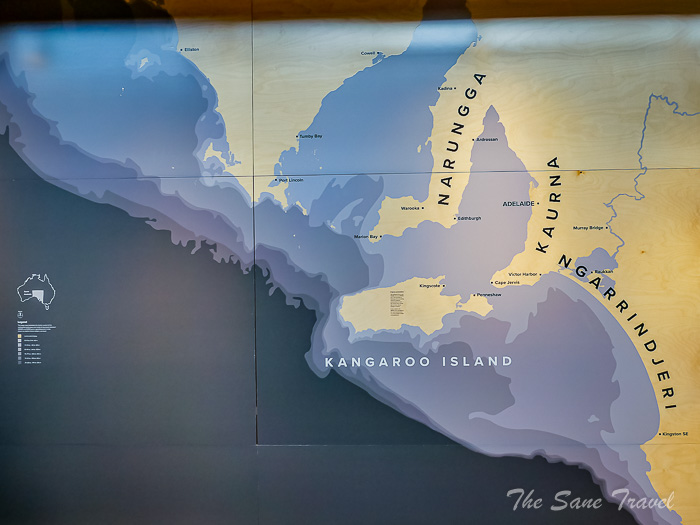
Your next stop is Cape du Couedic Lighthouse.
Cape du Couedic Lighthouse
During the late 19th and early 20th centuries, a significant need for a lighthouse in the area arose due to numerous shipwrecks that resulted in 79 fatalities. As a result, the Cape du Couedic Lighthouse was built between 1906 and 1909, making it the fifteenth lighthouse constructed on South Australia’s coast. The tower was built from 2,000 pieces of local stone, and three cottages for the head keeper and assistants were also constructed with slate roofs. The site was initially inaccessible by land, so a jetty had to be built at Weirs Cove, a mile north of the lighthouse. Stores and materials were transported up the cliff via a zigzag path and later by a flying fox powered first by horses and then by a motorised winch. The lighthouse was automated in 1957 and converted to electric operation in 1974.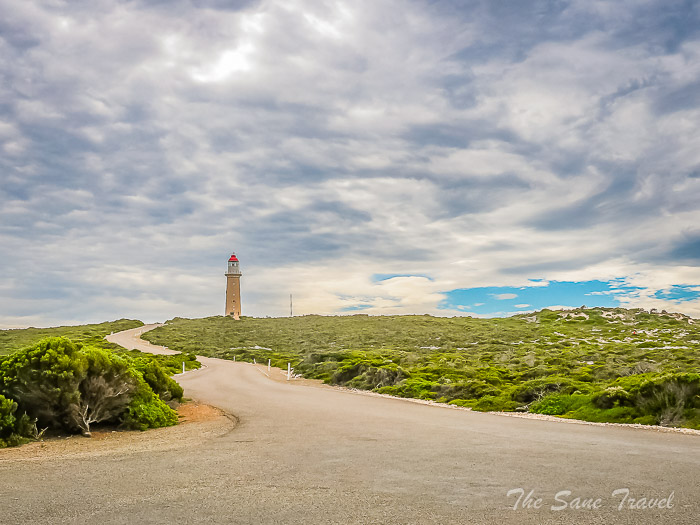
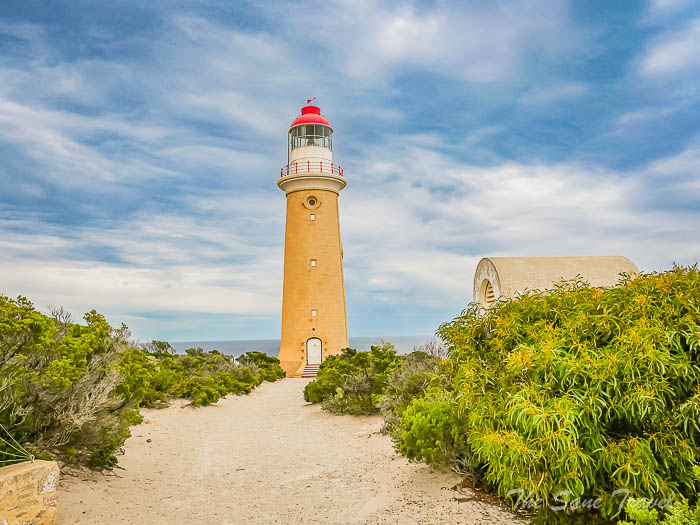 The site is now part of Flinders Chase National Park, and the lightkeepers’ cottages have been restored as holiday accommodation. Admirals Arch and a colony of New Zealand fur seals are also attractions in the area.
Admirals Arch
Admirals Arch on Kangaroo Island is a remarkable natural formation shaped over thousands of years by erosion near the Cape du Couedic Lighthouse. A short walk from the car park leads visitors to this striking geological landmark. The boardwalk to the arch offers stunning views of the Southern Ocean and the chance to see long-nosed fur seals basking on the rocks. 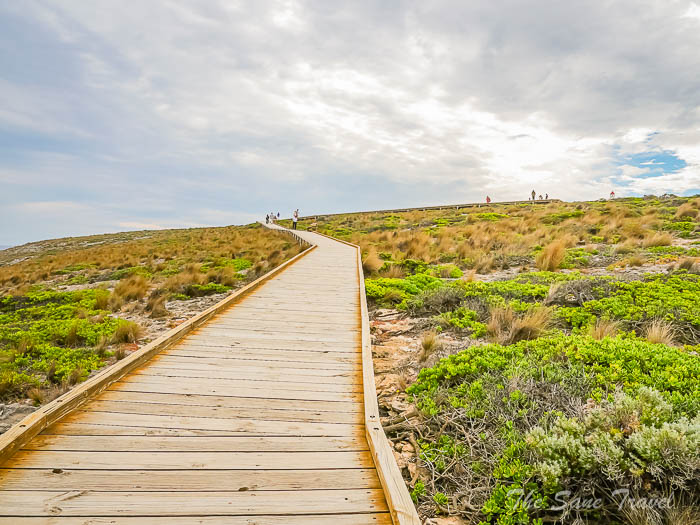
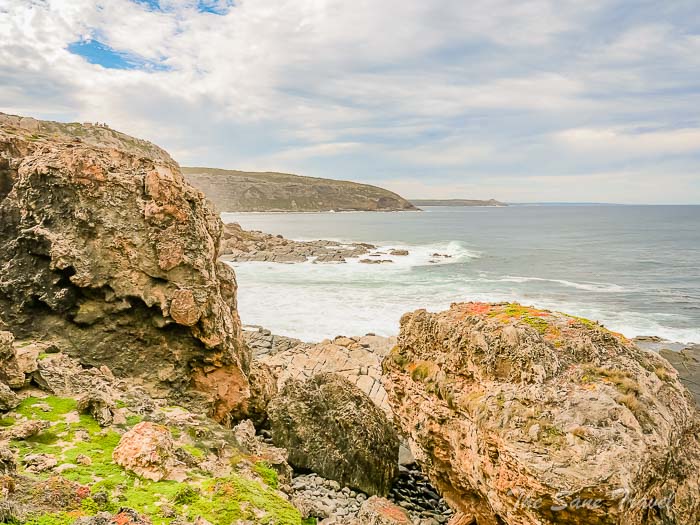
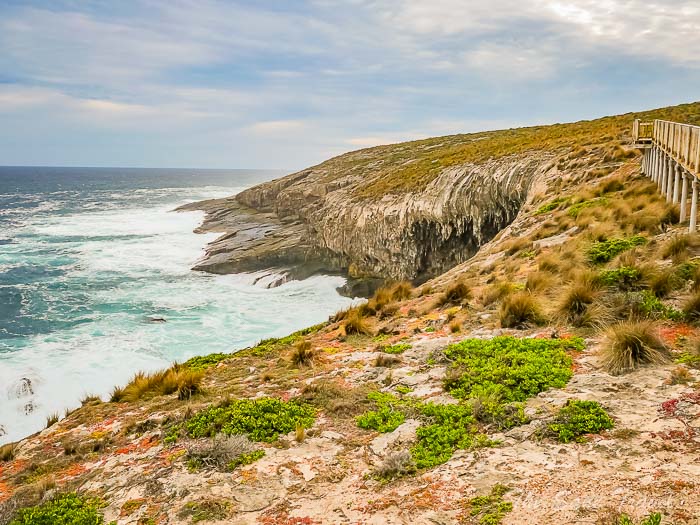 From viewing platforms at Admirals Arch, visitors can observe these seals up close as they rest and breed on land. Stalactites hanging from the rocky ceiling add to the arch’s distinctive features.
 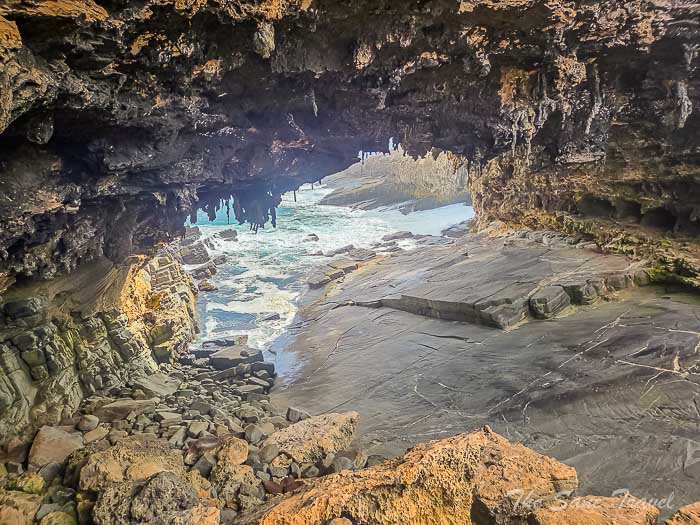 Whale migration season runs from May to October, while dolphins can be spotted year-round.
Remarkable Rocks
The Remarkable Rocks, located on the coastal cliffs of Kangaroo Island, are a natural marvel that live up to their name through their unique and iconic appearance. This rock formation, made up of large granite boulders, stands approximately 61 metres above sea level and features intricate swirls and curves that resemble an art installation. The Remarkable Rocks have become a popular attraction on the island, drawing visitors with their unusual and dramatic shapes. While photos may not fully capture their beauty, seeing them in person is truly mesmerising. 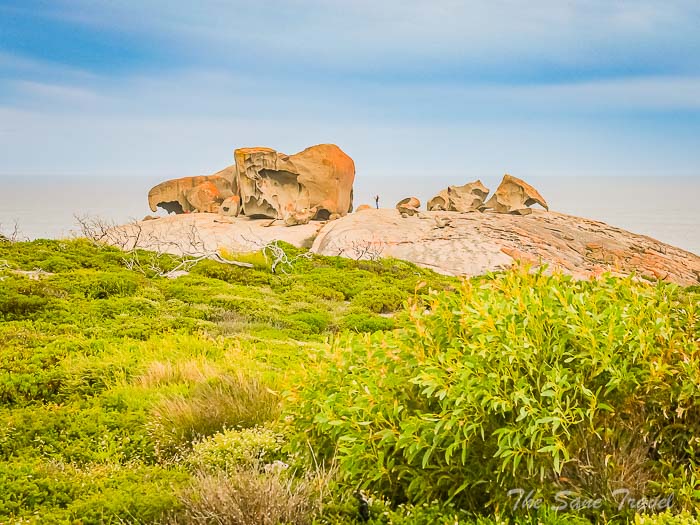
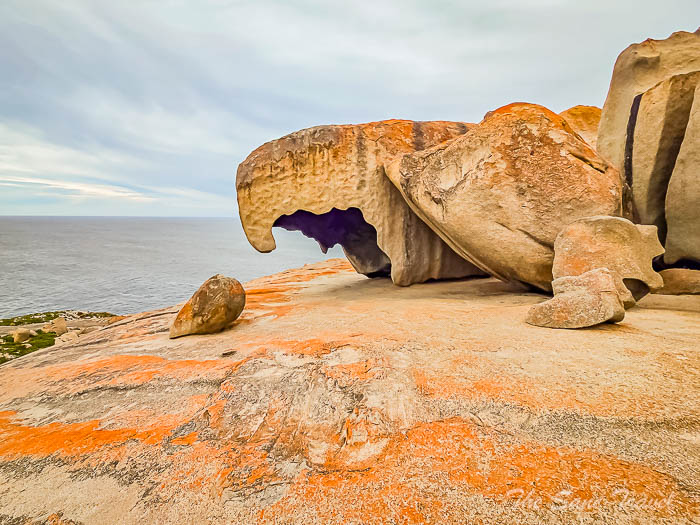
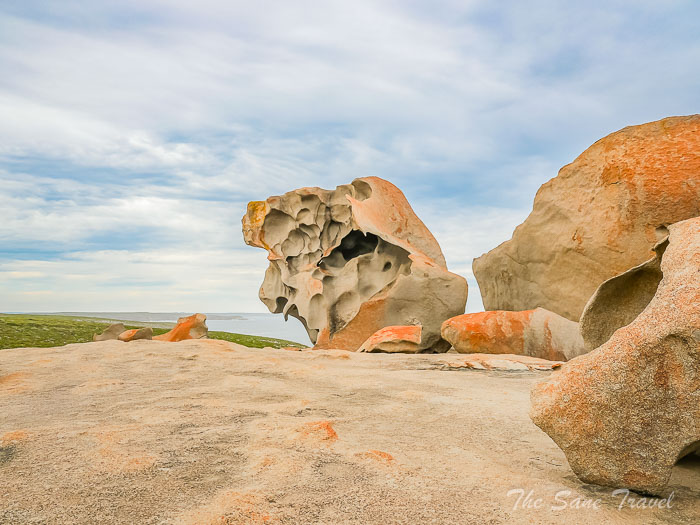 The surrounding area also offers stunning views of the ocean and bushland, making it a worthwhile destination.
Hanson Bay Wildlife Sanctuary
The Hanson Bay Wildlife Sanctuary, a privately owned area spanning 2,000 hectares (5,000 acres), is situated between Kelly Hill Caves Conservation Park and Flinders Chase National Park. 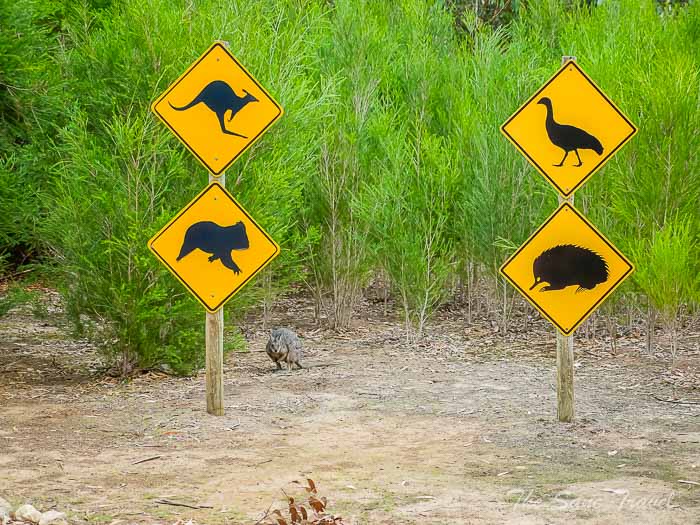 Known for its colony of healthy wild koalas, the sanctuary was devastated by a bushfire that started in Flinders Chase National Park on 3 January 2020. Despite the loss of many buildings and habitats, the sanctuary has shown remarkable resilience, with more than 40 wild koalas still living in the area.
 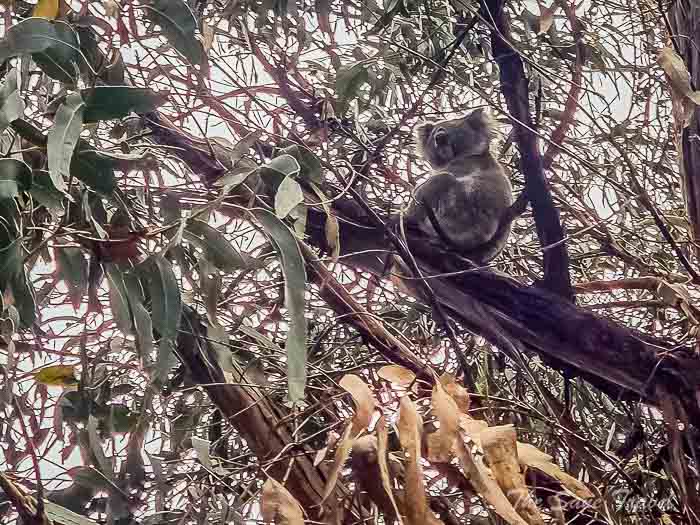 To help ensure the species’ survival, the sanctuary partnered with Cleland Wildlife Park to establish an insurance colony there. The wildlife at the sanctuary is known for its resilience and adaptability to fire, with many species either having survived the bushfires or descended from survivors. Visitors can witness the regenerative effects of fire across the landscape while observing a variety of native Australian animals and birds.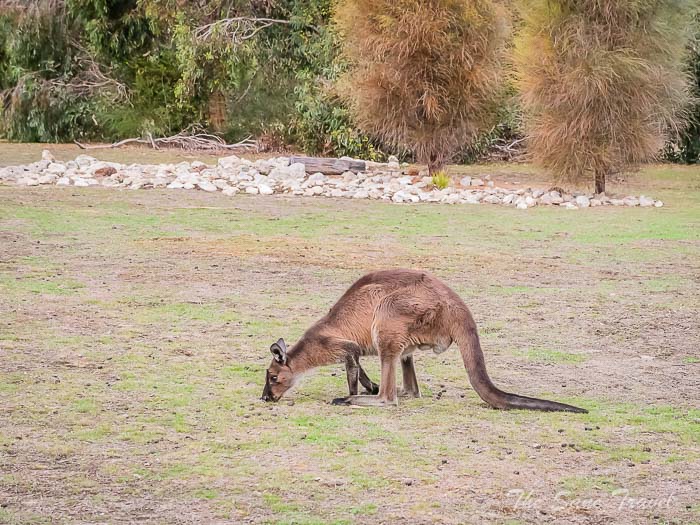
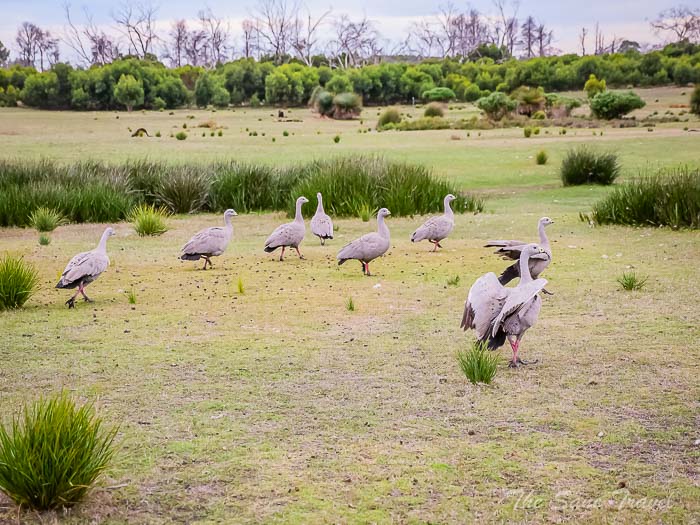
 The sanctuary offers guided tours, including a koala walk and a bushfire ecology tour, to educate visitors about the ecosystem and its response to bushfires. Tours run at 10:30 am and 2:30 pm on most days. Visitors are advised to dress appropriately for a walk in the bush and to book tours in advance.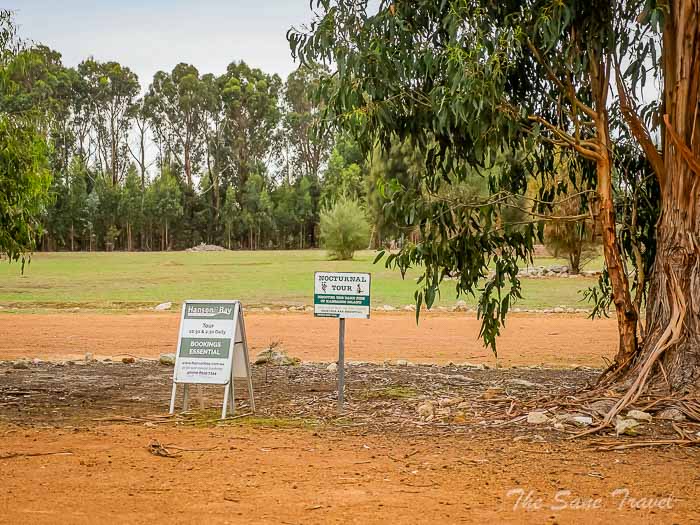
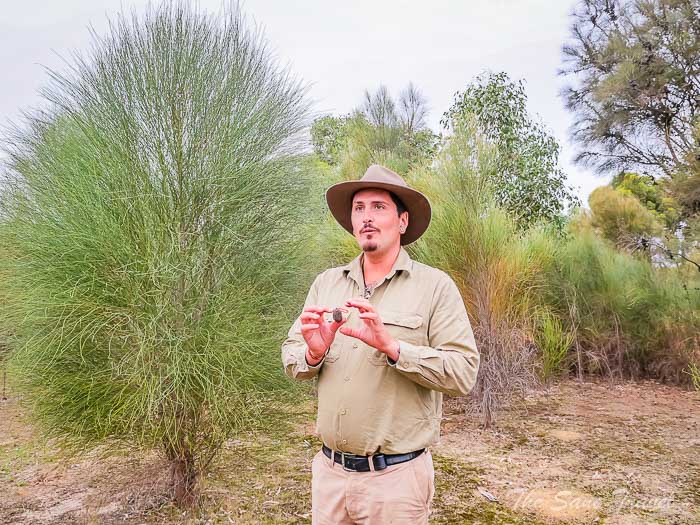
Location: 7797 S Coast Rd, Karatta
Seal Bay Conservation Park
A trip to Kangaroo Island is not complete without a visit to Seal Bay, which has been home to a population of Australian sea lions for thousands of years. With no enclosures or cages, the bay offers a unique nature-based experience. Australian sea lions are found only in South Australia and Western Australia, with a total population of approximately 12,000, making them an endangered species. Seal Bay is home to the third-largest colony of these animals in the world, allowing seeing them up close and observe their natural behaviours on the beach.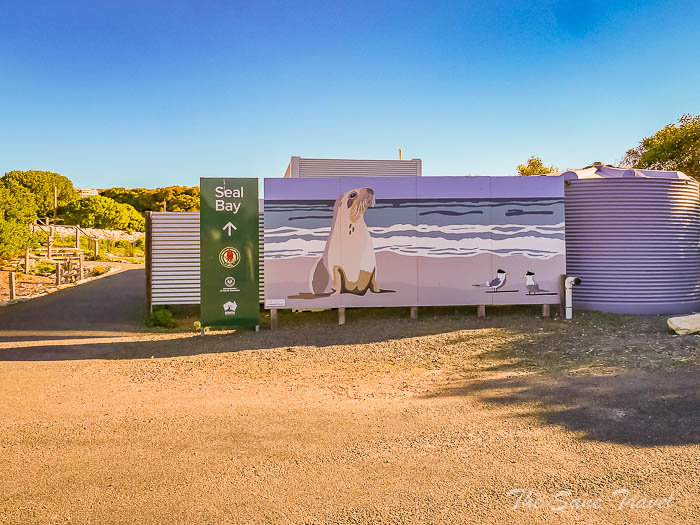
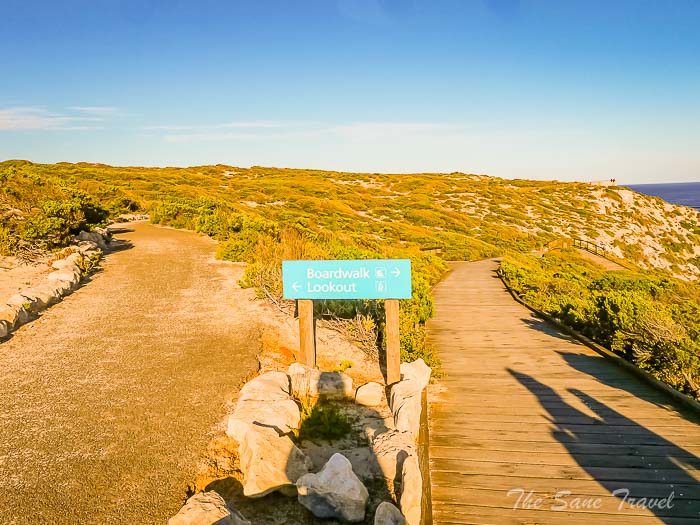
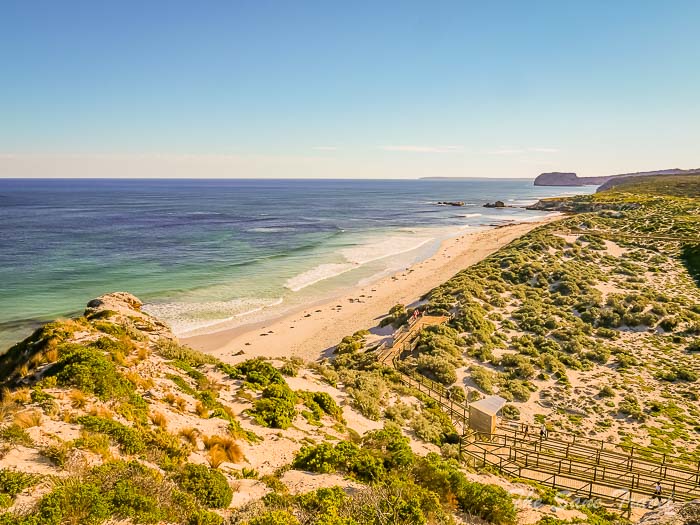
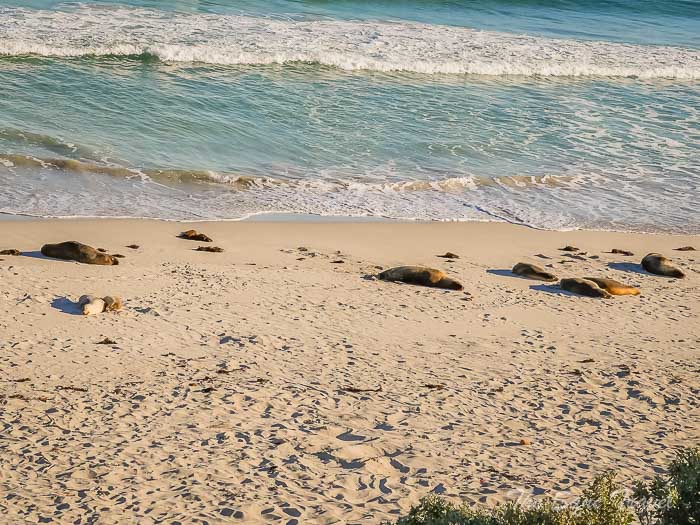 Visitors can choose between a self-guided boardwalk tour or a guided beach tour, with the latter offering a more personalised experience as guides interpret sea lion behaviour in real time.
 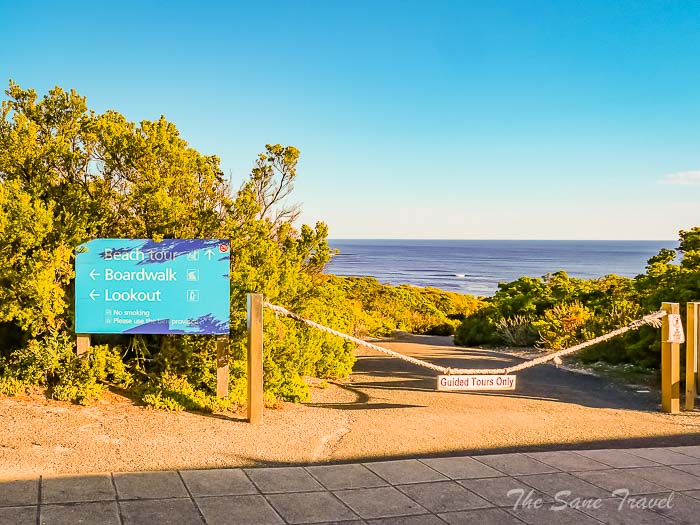 It is recommended to book guided tours online in advance to avoid disappointment. Guided tour times are as follows: 9:15 am, 10:00 am, 10:45 am, 11:30 am, 12:15 pm, 1:15 pm, 2:00 pm, 3:00 pm, and 4:00 pm.
Following the Seal Bay tour, visitors can make their way to the SeaLink Ferry Terminal in Penneshaw for onward travel to the mainland. Alternatively, they can return to their accommodation in Kingscote to extend their stay. I recommend staying overnight on the mainland near the Cape Jervis SeaLink Ferry terminal, like Cape Jervis Holiday Units or Morella Farmstay, before your next day adventure.
This is a road map for day 2.
How to get to Kangaroo Island
Kangaroo Island can be reached by either a 45-minute SeaLink ferry from Cape Jervis to Penneshaw or a short flight from Adelaide. The ferry is the preferred mode of transport, as it allows passengers to bring their vehicles, which is recommended for exploring the island. SeaLink operates multiple daily departures in both directions, with up to 12 return services per day during peak periods. Additionally, two new state-of-the-art ferries, Wanggami and Ruwi, will be introduced in June 2026 to enhance the travel experience through increased capacity, improved comfort, and greater reliability. This will enable more travellers to enjoy the beauty of Kangaroo Island throughout the year. The new SeaLink KI ferry service will operate additional services using these modern vessels, particularly during peak periods.
Ferry prices
The Kangaroo Island ferry is often regarded as one of the most expensive ferries in the world on a per-kilometre basis, with a round-trip ticket for a car and two passengers costing AUD 576 or 357 Euros in April 2026. The journey from Cape Jervis to Penneshaw covers approximately 16 kilometres or 32 kilometres return, equating to a rate of AUD 18 per kilometre. Operated by SeaLink, the service does not receive Australian government subsidies, unlike other major vehicle ferry routes such as the Spirit of Tasmania, which contributes to its higher fares.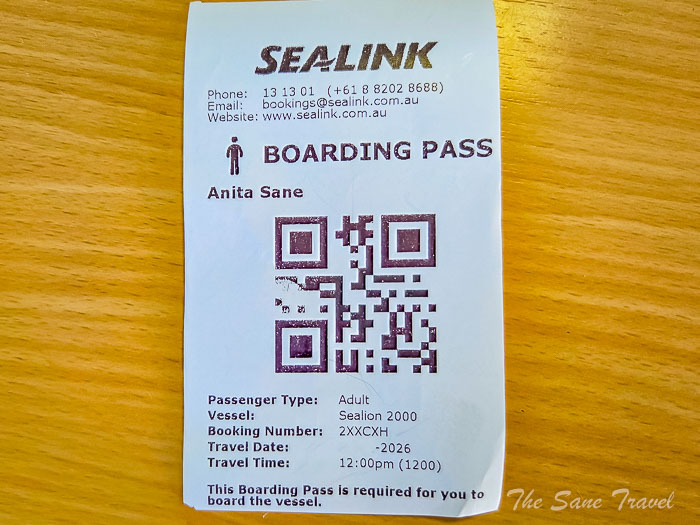
Your essential guide to a seamless ferry journey
A little preparation goes a long way in ensuring your trip is as smooth and stress-free as possible. Here are my top tips for making the most of your ferry adventure:
1. Secure your spot early for ultimate peace of mind
SeaLink ferries tend to book up very quickly, especially during peak seasons or popular crossing times. To avoid any disappointment, the golden rule is to secure your booking as early as possible. It is the ultimate peace-of-mind move.
2. Ferry first, then your island haven
It might sound counterintuitive, but your ferry slot can actually dictate your travel dates. I recommend locking in your ferry booking first. Once that is sorted, you can easily arrange your island accommodation without a hitch.
3. Embrace the off-peak magic for flexibility
If your calendar allows, consider travelling during off-peak ferry times or outside busy weekends and holiday periods. You will often find greater flexibility, fewer crowds, and perhaps even a reason to extend your stay by an extra night, giving you more time to unwind and truly explore.
4. Smooth sailing starts with an early arrival
Aim to arrive at the ferry terminal at least 30 minutes before your scheduled departure. This golden window gives you ample time to check in, board at a leisurely pace, and settle into your spot without any last-minute stress.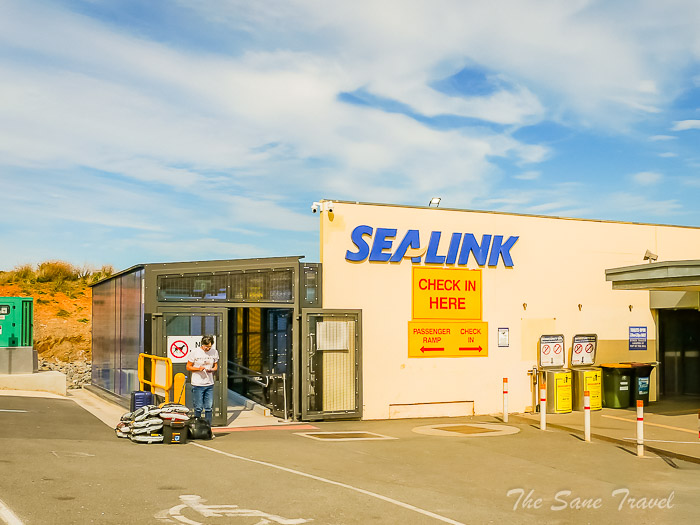
5. Familiarise yourself with the “What Ifs”
Before you embark on your adventure, take a moment to review the cancellation policies for both your ferry booking and your accommodation. Having knowledge and awareness will help you anticipate and handle unforeseen changes, providing reassurance in case adjustments to your plans are necessary.
Before you go
There is a list of prohibited items for visitors to Kangaroo Island. These include bees, bee-handling equipment, honey products, rabbits, foxes, declared weeds, and unwashed potatoes. The restrictions are in place to protect the island’s unique ecosystem, including its Ligurian bee population and seed potato industry. Visitors are also required to notify the Kangaroo Island Council if they are travelling with a dog or cat to the island.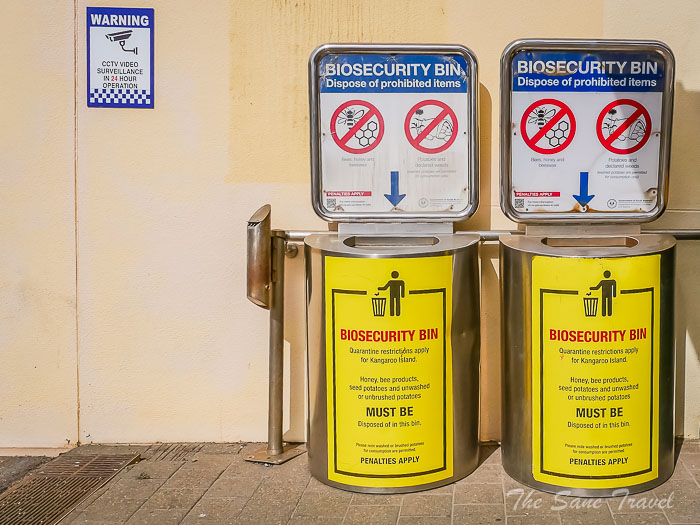
Like it? Pin it!
What did you think? Have you been to South Australia? I would love to hear from you, so please add your comment below.
Author: Anita Sane

About the author
Anita is a part-time traveller, passionate photographer and a retired career woman from Latvia, travelling mostly solo for more than 15 years. She is a skilled travel planner who plans and executes her travels by herself. Anita wants to show you how to travel the world and open your mind to new experiences. Follow her on Facebook, Instagram, Pinterest, Twitter and Bloglovin.
Places like Kangaroo Island remind us how peaceful and beautiful the world can be when we slow down.
Report
My comments