
If you are considering a trip to the Valencia region and are looking for a destination that combines the charm of a traditional Spanish town with beautiful beaches, Gandia is an excellent option. The city offers two distinct experiences: a historic old town, located around three kilometres inland and rich in medieval architecture and local culture, and a lively beach resort set directly on the Mediterranean coast. Gandia Playa stretches along the shoreline, while the city of Gandia lies further inland. Both areas are well worth visiting, providing a nice balance between seaside scenery and urban atmosphere. Gandía’s history is closely linked to the Borgia family, known as the Borja in Spain, who played a significant role in the town’s development. As you wander through the city’s narrow streets, a layered mix of medieval, Gothic, and Baroque architecture reveals Gandia’s rich past. I recently explored Gandía’s old town, starting my walk at Gandia railway station and making my first stop at Plaza de las Escuelas Pías.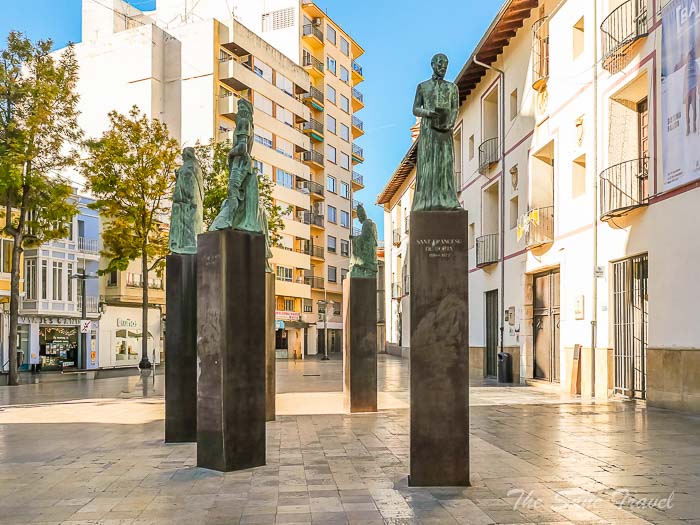
Plaza de las Escuelas Pías
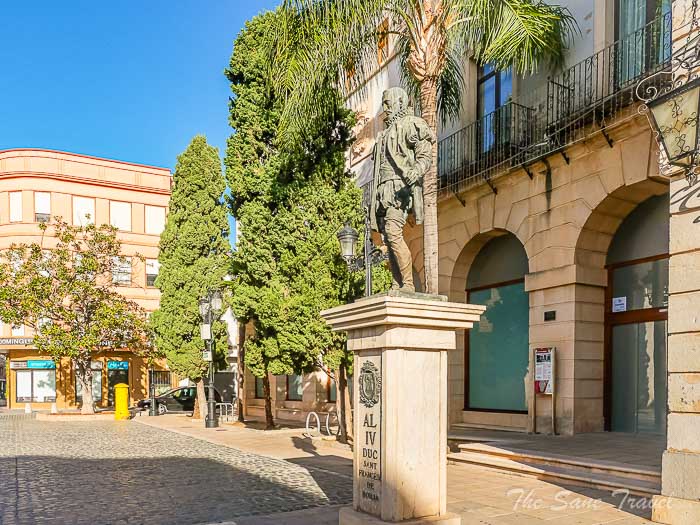
Gandia is currently home to several universities, including the Universitat Politècnica de València, which has a campus in the city. The city’s first university was the Old University of Gandia, also known as the Escuelas Pías, located in the historic centre at Plaza de las Escuelas Pías. Established in 1543 by Francis Borgia, it became the first university in the city and the first in the world run by the Jesuits. The institution remained a prominent centre of education until the Jesuits were expelled from Spain in 1767, which led to its closure. In 1806, the building was taken over by the Piarist Fathers, who have continuously employed it for educational purposes. A group of sculptures by Manuel Boix stands in Plaza de las Escuelas Pías, depicting five notable members of the Borgia family, including Popes Calixtus III and Alexander VI, César and Lucrezia Borgia, and Francisco de Borgia, the 4th Duke of Gandia.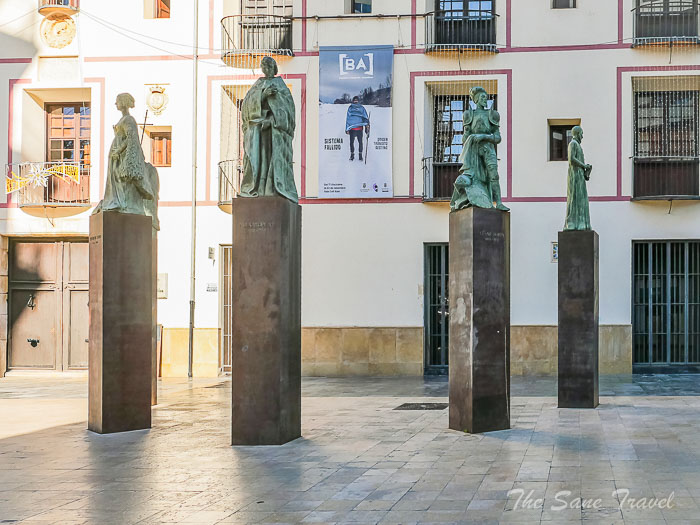
Collegiate Church of Santa Maria
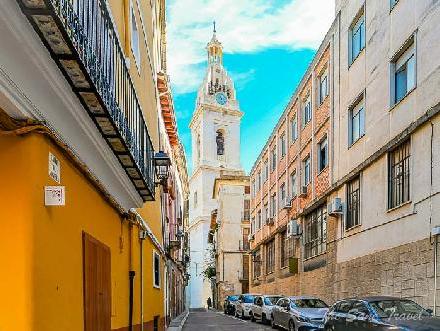
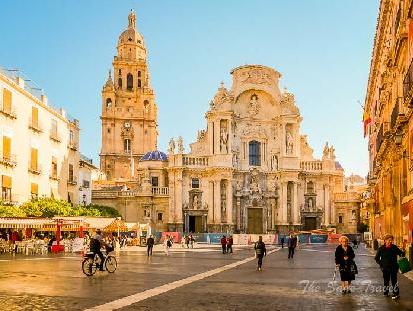
The Collegiate Church of Santa Maria, located in the city centre, is an impressive example of Catalan-Aragonese Gothic architecture. Construction began in the 14th century and was completed two centuries later. The church was built on the site of a former Muslim mosque, with remnants of the mosque still visible on the left side of the high altar. It was designated a Collegiate Church in 1499 and underwent extensions in the 16th century under the patronage of Duchess María Enríquez. Unfortunately, during the Spanish Civil War, many valuable artworks were lost, and the square presbytery was destroyed. It was subsequently replaced by a Neo-Gothic presbytery, with restoration work beginning in the 1940s. The church’s bell tower remains a prominent feature of the city skyline, visible from many points around Gandia.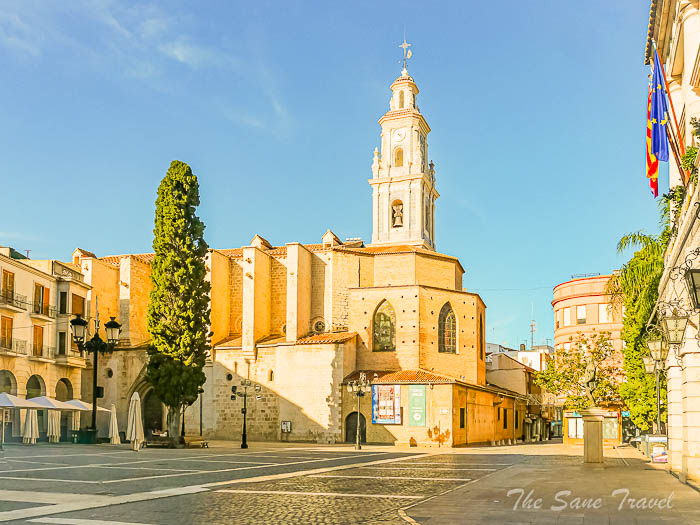
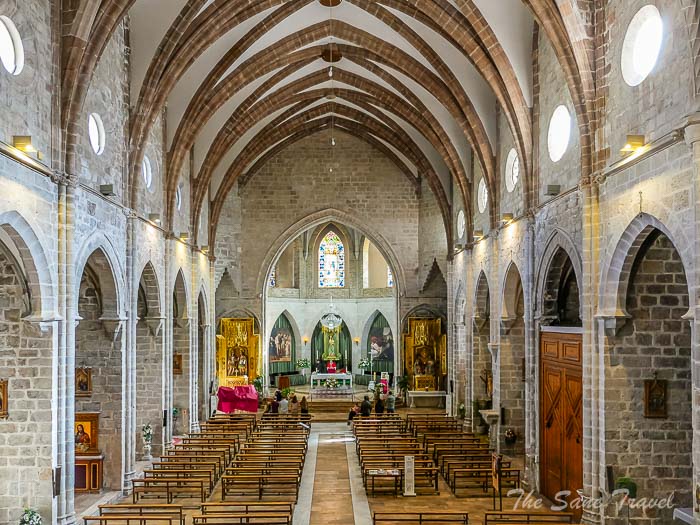
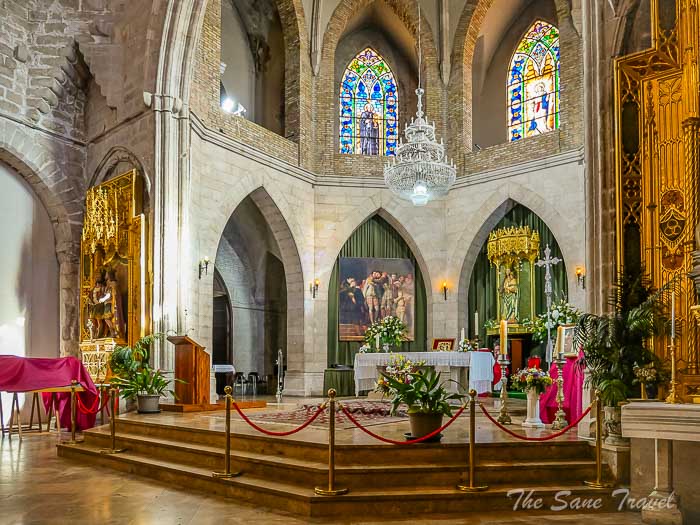
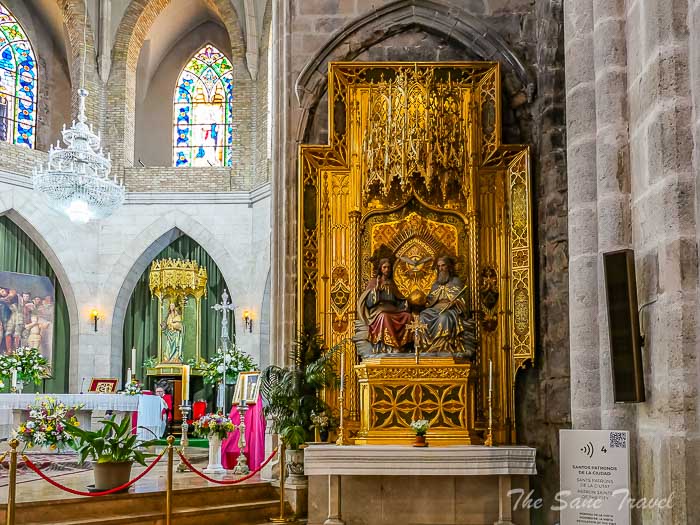
Address: Plaza de los Apóstoles, 3
Plaza Major
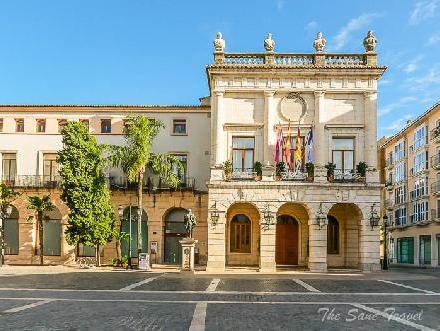
The town hall, also known as the Ajuntament de Gandia, stands in the Plaza Mayor alongside the Ducal Palace and the Collegiate Church of Santa María. Built in 1778 with a neoclassical façade and adorned with four stone busts representing the principal virtues, the building was reconstructed and extended in 1982. The neoclassical façade is the only original part that remains, featuring columns reminiscent of Greek temples and topped with stone busts symbolising justice, fortitude, temperance, and prudence. These virtues are considered essential for good governance and serve as a reminder for politicians to follow the right path. A statue of Saint Francis Borgia is also situated in front of the Ajuntament de Gandia.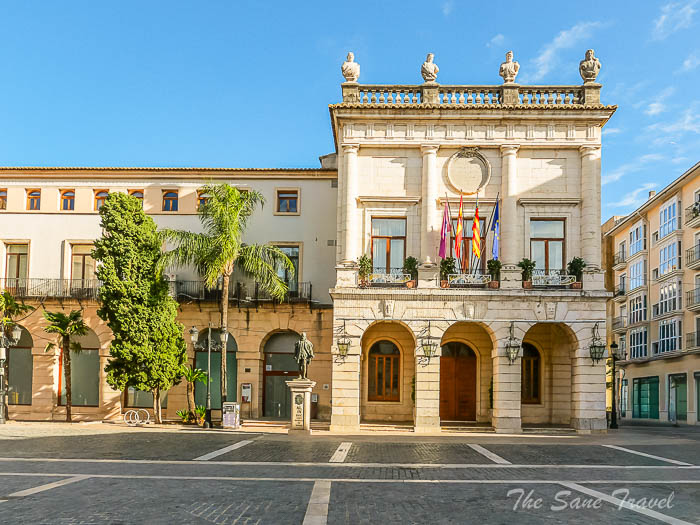
Borja Viewpoint
Serpis, also called Borja Viewpoint, sits behind Gandia’s town hall and has become a popular spot for locals to take a leisurely stroll. From the viewpoint, visitors can relax and soak in the tranquil greenery, with the river that gives the viewpoint its name flowing beneath the bridges. The viewpoint features a wooden deck that follows the line of the ancient city wall beneath it. Below the deck lies the remarkably well-preserved Peixateria air-raid shelter from the Spanish Civil War, named after the entrance to the former fish market it once served. 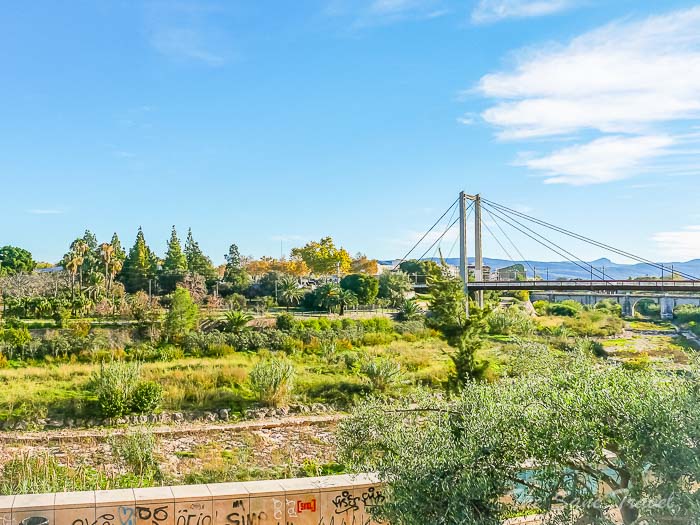 Also of note is the mural on a building wall along Les Arcs Street, which depicts a celebration of education and childhood. This mural is the result of a collaboration between the famous Chilean artist Giova and local artist Lapeixa, with a young girl from the local preschool as its central figure.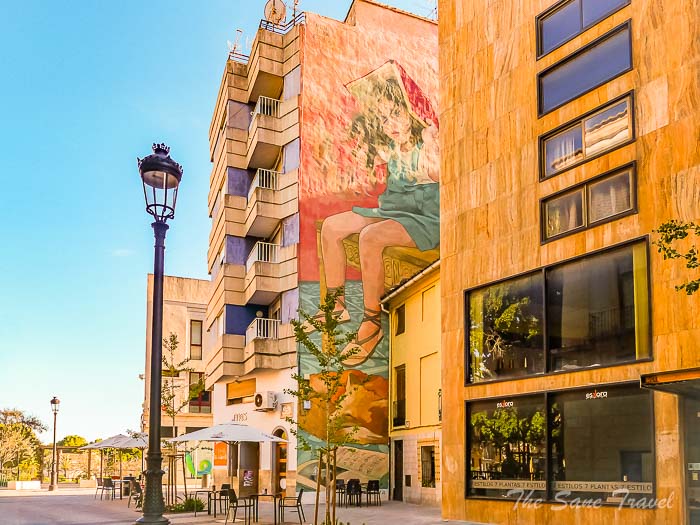
Ducal Palace
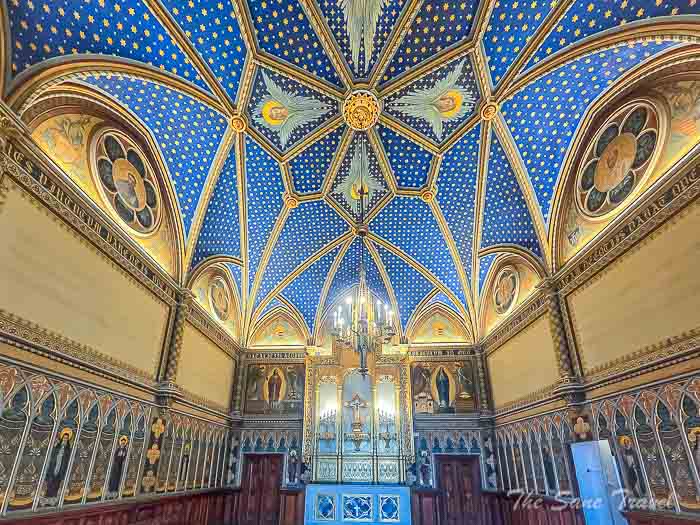
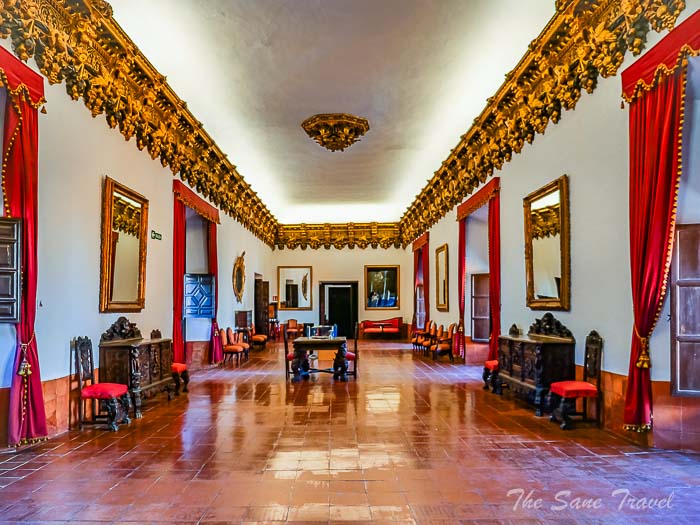
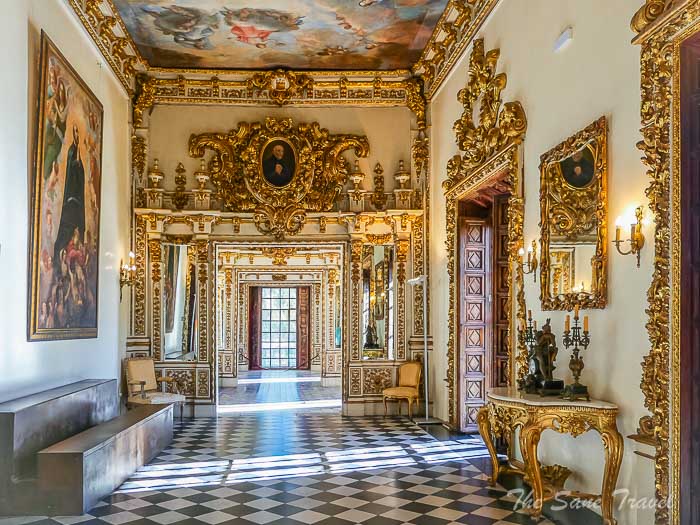
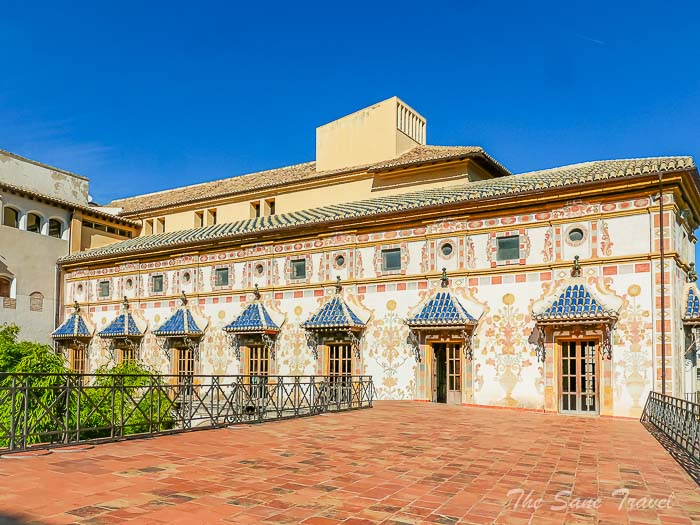
Gandia is well known for its Ducal Palace, also referred to as the Palace of the Borja. This historic building dates back to the 14th century and is considered an important example of civil architecture in the Valencia region. Originally the official residence of the Borja family, who later became the Borgia in 1485 when they were granted the title of Dukes of Gandia, the palace has undergone several renovations and additions over the years. It has been home to eleven Dukes of Gandia, each of whom made alterations reflecting the styles of their time.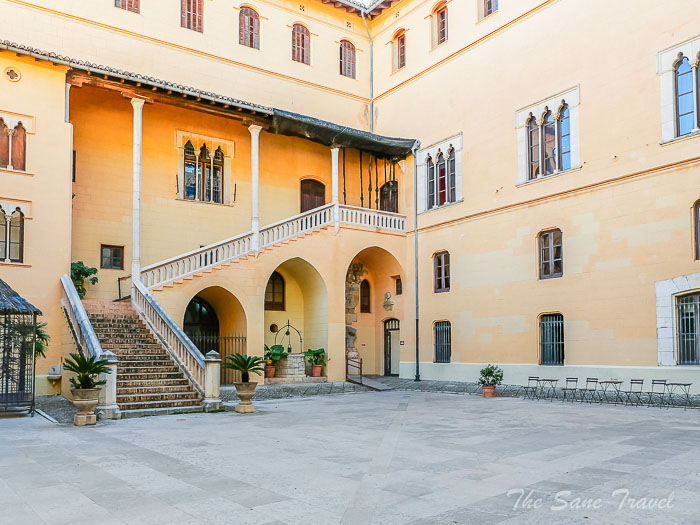 The palace features a mix of medieval, Renaissance, and Baroque elements, including the impressive Crown Hall, adorned with reliefs depicting the various crowns worn by the dynasty. The Gothic chapel, once the private office of Francisco de Borja and later used for religious services, is also a notable feature. The Golden Gallery, constructed in honour of his holiness, showcases exquisite Valencian Baroque design.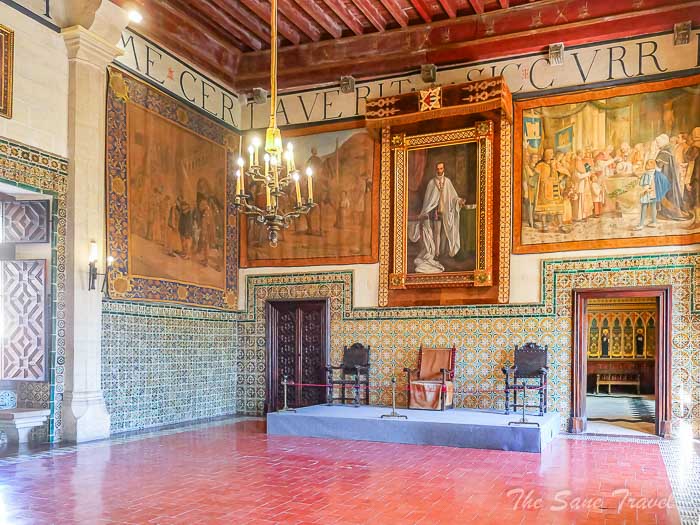
Opening hours: Monday to Saturday from 10 am to 2 pm and 3 pm to 7 pm. Sundays and public holidays from 10 am to 2 pm.
Saint Roch’s Church
Saint Roch’s Church, also known as the Church of the Blessed Andrés Hibernón, is named after Friar Andrés Hibernón, who served the first community at the convent. It was founded in 1591 by Duke Carlos de Borja and Magdalena Centelles. Renovated in the 18th century in the Baroque style, the church features a single nave with a barrel vault and side chapels. The altarpiece by the Cabuz brothers is a notable example of Baroque art inside. A neoclassical façade and a chapel dedicated to the beatification of Andrés Hibernón were added later. Before the Spanish Civil War, two large images adorned the façade, but today only empty niches remain. During my visit, the church was closed, and with no information on its opening hours, I could only admire it from the outside.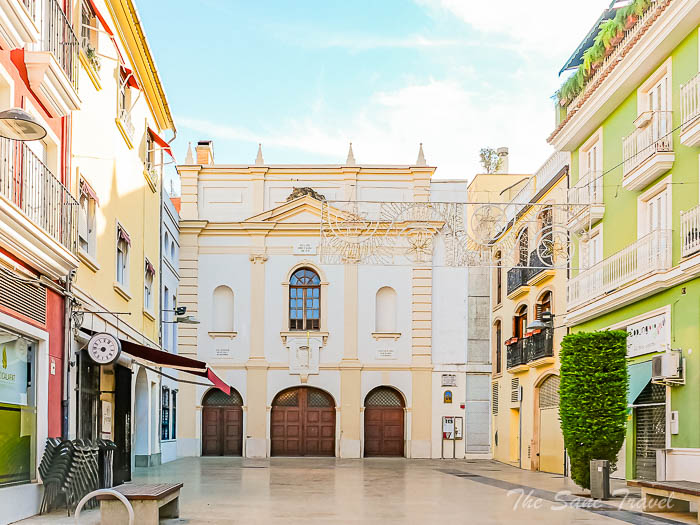
Address: C. de Sant Francesc de Borja, 73
Borja Ópticos building
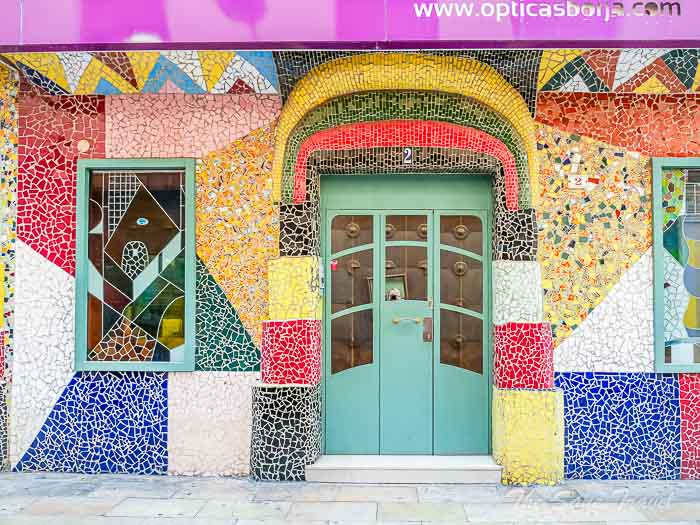
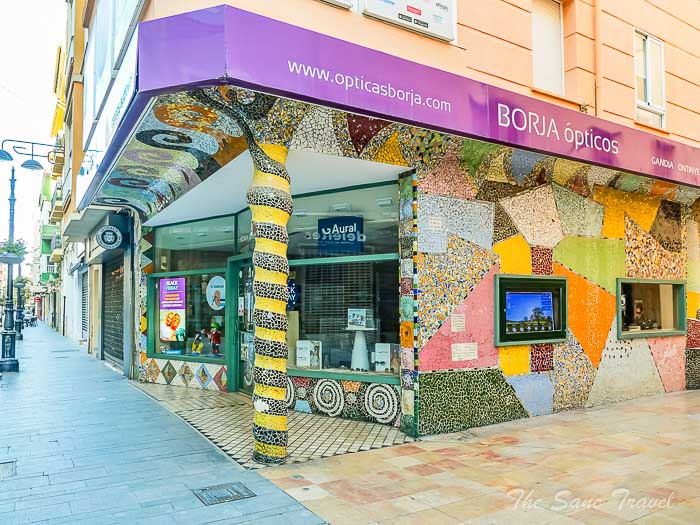
I was impressed by the tile decorations on the Borja Ópticos building. I think you would appreciate them too.
Address: C. de Sant Francesc de Borja, 57
Escolapias Gandia School
Take a look at the impressive architecture of Escolapias Gandia School. Run by the Piarist Sisters, it was inaugurated in 1955.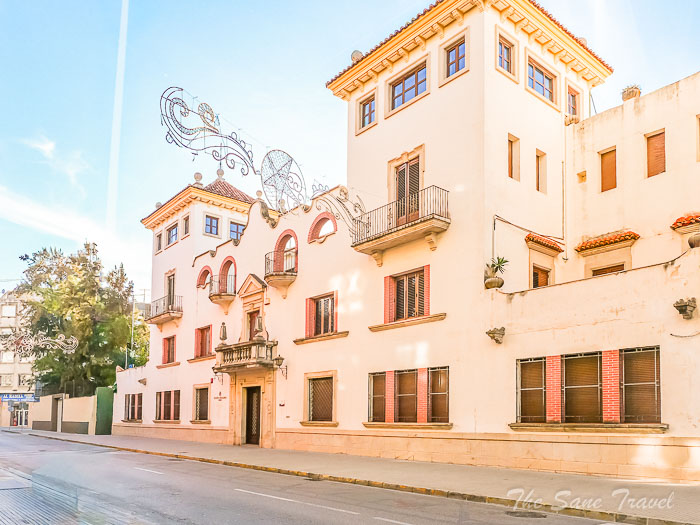
Address: C. San Rafael 25
Pine Tower
Explore the remaining sections of Gandia’s old town walls to catch a glimpse of their past appearance. Although the walls were demolished in the 19th century, remnants can still be found in the town’s historic centre. As you wander through the charming streets, you may come across parts of towers and other sections of the walls incorporated into various buildings. One notable example is the Pine Tower, also known as the Torreón del Pino, which was constructed in 1543 on the orders of the 4th Duke, Francisco de Borja. Situated on San Rafael Street, this cylindrical defensive tower stands as a testament to the city’s history and is topped with a pine tree, serving as a distinctive symbol of Gandia. To preserve its iconic image, a new pine tree was planted in the same spot after the original one died.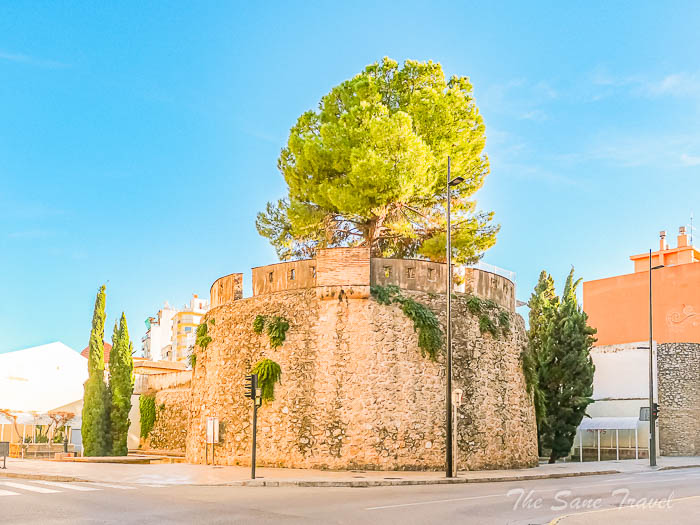
Where to eat
La Plaza Gandia
At lunchtime, you can choose to dine at local restaurants serving fresh fish from the market, or you can head to the city centre, where there are plenty of places to sample the local cuisine. La Plaza Gandia, located on the Main Square, comes highly recommended for its excellent food, drinks, and service. The staff are attentive, the dishes are delicious, and there is a great selection of wines. This popular spot is known for specialities such as ensaladilla, tortilla de patata, and cheesecake. I particularly enjoyed the tiramisu. Due to its popularity, it is advisable to book in advance, as the restaurant often gets busy.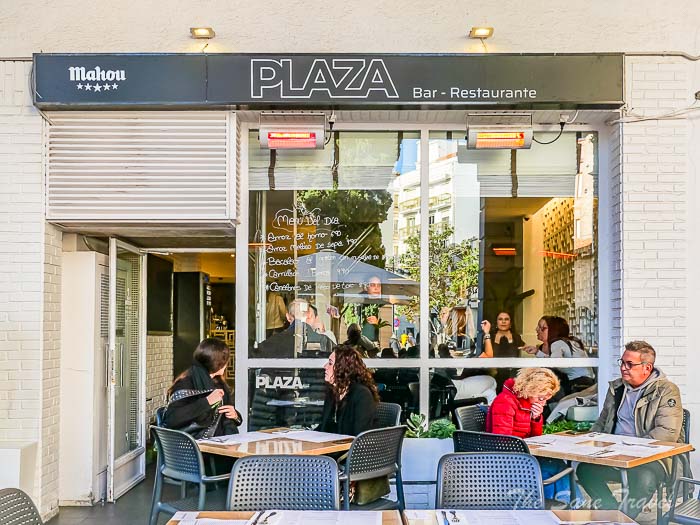
Shopping
Gandia features over 1,000 commercial premises, ranging from small family-run businesses to large retail stores. Although I do not usually shop while travelling, I did make a few purchases in the shops in the historic centre.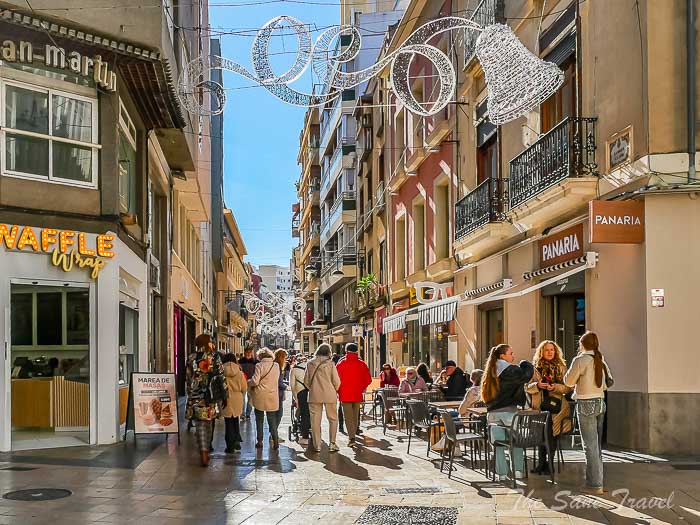
What I missed on my trip
Fallero Museum
The Fallero Museum is the only museum of its kind in the Valencia region. Visitors can explore an interactive display that uncovers the mysteries of the centuries-old Las Fallas tradition, the painstaking effort involved in creating a falla, and the wit and humour embedded in this cherished cultural celebration.
Please take a look at the map of my walk below.
Practical information
Gandia is easily accessible by train from Valencia, with frequent services making it a convenient option for a day trip. The C1 train departs from Valencia North Station every 30 minutes. The journey takes 1 hour and 12 minutes, offering picturesque views of the Spanish countryside. Travelling from Alicante to Gandia is also possible, but it may not be the most convenient option. The journey typically takes around 1.5 hours; however, public transport options are limited. There is no direct train service available, and only a few buses run daily.
It is a good idea to check the opening hours of the attractions you plan to visit in advance. You can save money by purchasing a combined ticket for the Collegiate Church of Santa Maria and the Ducal Palace. Note that this ticket is only available at the church, so it is recommended to start your visit there.
Like it? Pin it!

What did you think? Have you been to Gandia? I would love to hear from you, so please add your comment below.
Author: Anita Sane

About the author
Anita is a part-time traveller, passionate photographer and a retired career woman from Latvia, travelling mostly solo for more than 15 years. She is a skilled travel planner who plans and executes her travels by herself. Anita wants to show you how to travel the world and open your mind to new experiences. Follow her on Facebook, Instagram, Pinterest, Twitter and Bloglovin.
Report
My comments