
Are you considering a trip to Australia? You may be thinking about visiting Sydney or the Gold Coast, but before making any decisions, consider exploring Adelaide. More authentic, more affordable, and full of things to do, the city still offers many of the attractions found in Australia’s more popular destinations. Despite consistently ranking among the world’s 10 most liveable cities, Adelaide, the capital of South Australia, is often overlooked as a travel destination. With a population of around 1.3 million, it is smaller than Sydney and Melbourne but still offers a vibrant, cosmopolitan atmosphere. The city is home to numerous parks and wide boulevards and is surrounded by beaches and hills. Here are my recommendations for making the most of two days in Adelaide.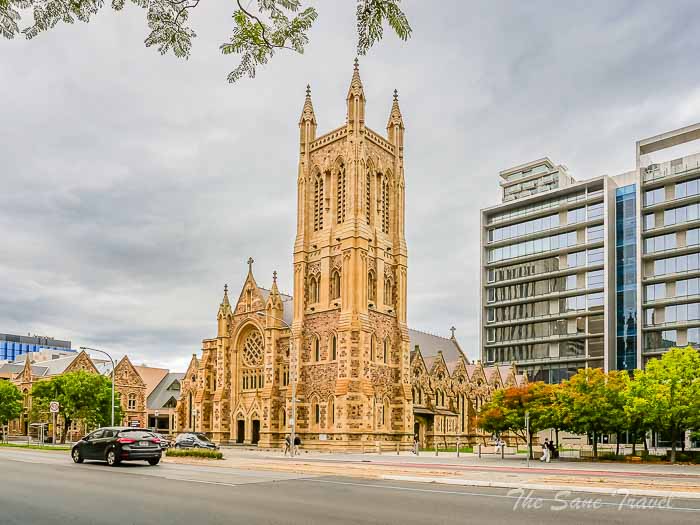
1 Adelaide Central Market
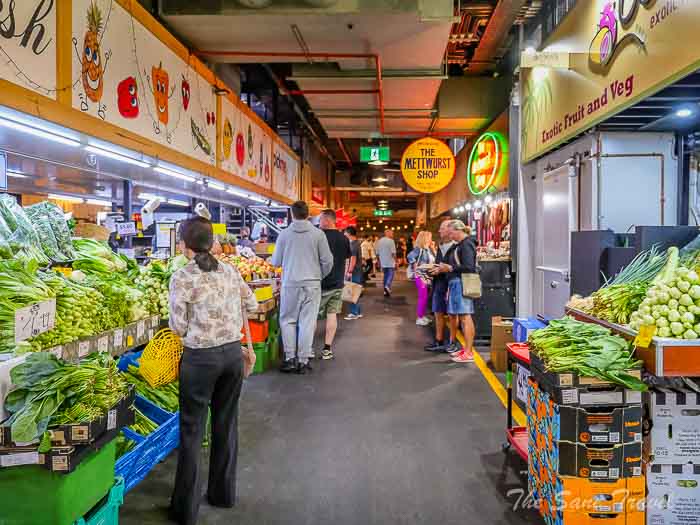
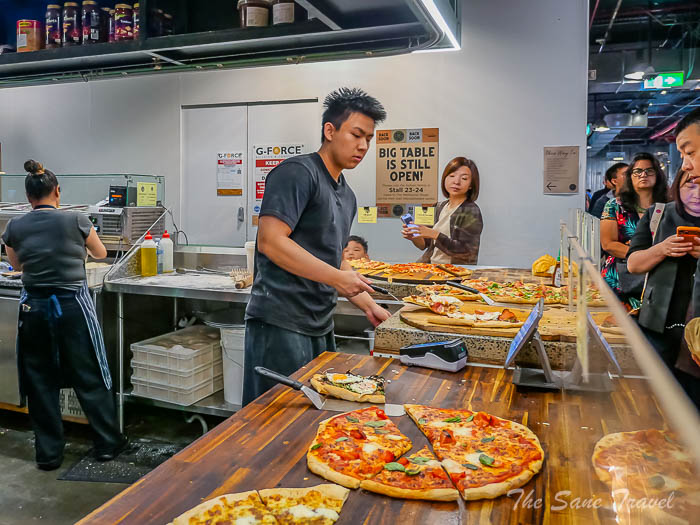
Start your day with breakfast in Adelaide Central Market. Situated on Gouger Street, this market is the largest indoor market in the Southern Hemisphere. Open from Tuesday to Saturday, it boasts more than 70 vendors offering a variety of gourmet foods, cheeses, and international delicacies. Many visitors have described it as a paradise for food lovers. Lucia’s Pizza & Spaghetti Bar serves delicious meals, while The Providore satisfies sweet cravings with treats and a Belgian chocolate fountain. The Stinky Cheese Shop is a popular spot among locals, offering a wide selection of local and imported cheeses. Visitors can also sample and purchase speciality items from Kangaroo Island at their stall. On Friday evenings, the market offers late-night trading with live music from talented local artists.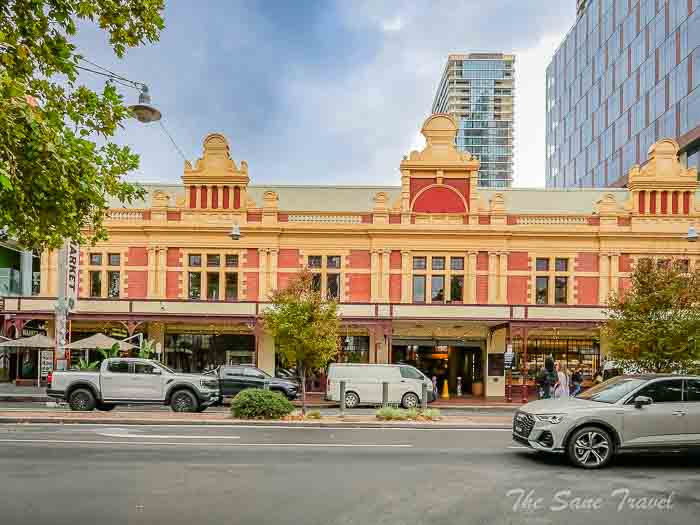
Although Adelaide is known as the City of Churches, it is actually one of the least religious cities in Australia. Despite this, its places of worship are still well worth visiting.
2 St Francis Xavier’s Cathedral
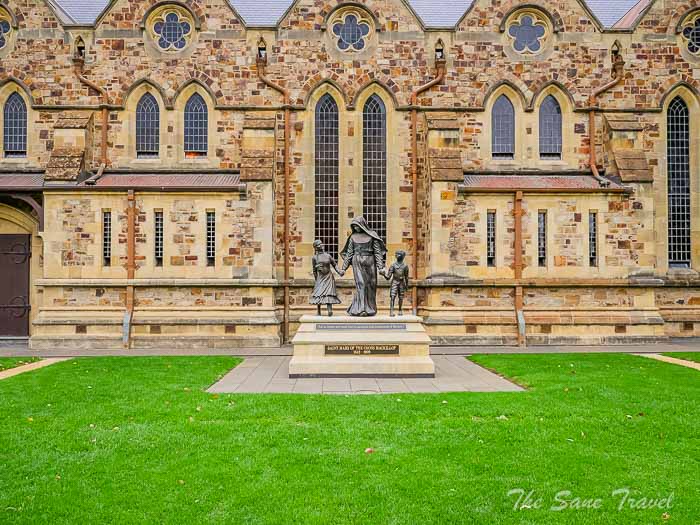
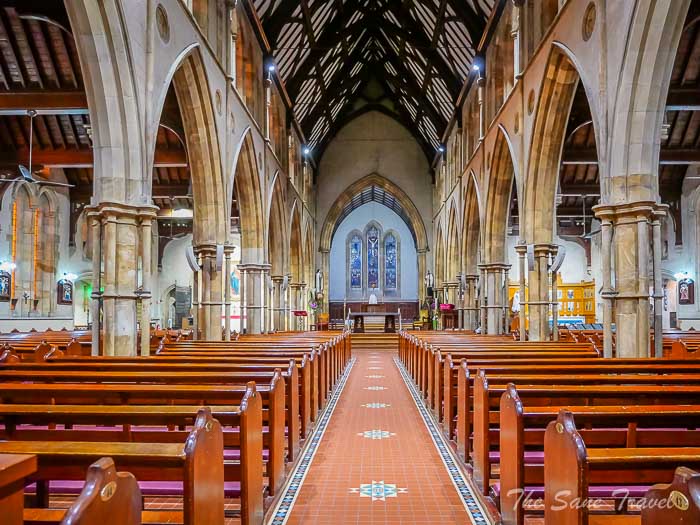
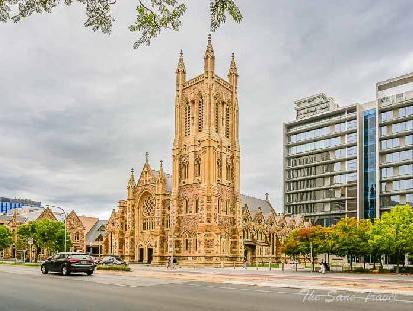
St Francis Xavier’s Cathedral is located in the heart of Adelaide. It was built in honour of the 16th-century Spanish Jesuit missionary Saint Francis Xavier. He is considered the patron of the Church in Australia and was also the patron of Adelaide’s first bishop, Francis Murphy. Construction of the cathedral began in 1851, making it the oldest cathedral in the country. The cathedral underwent various phases of development, with the tower being added in 1996. It is a notable example of Gothic Revival architecture, inspired by Byland Abbey in Yorkshire, England. The cathedral features a distinctive exterior made of local materials, lancet arches, a rose window, and a 36.3-metre neo-Gothic square tower.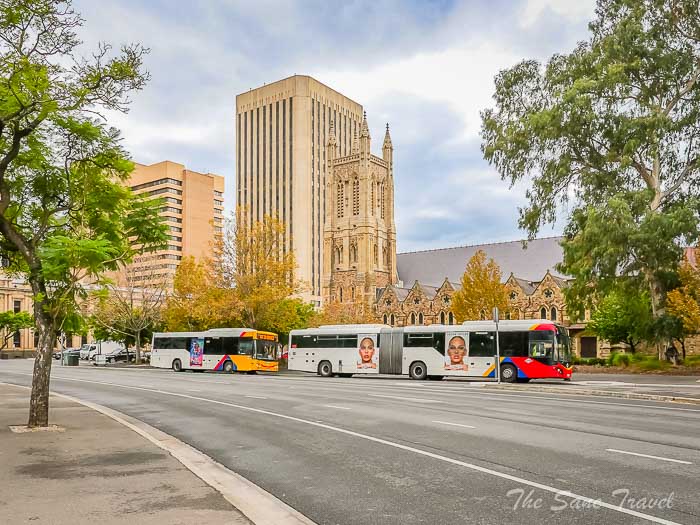
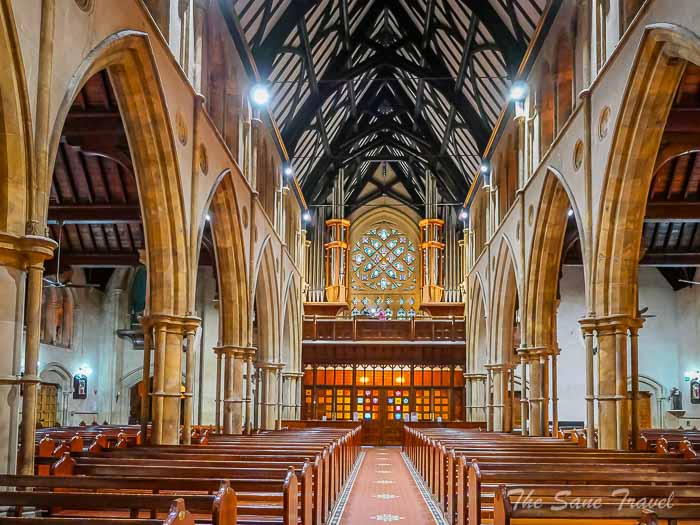
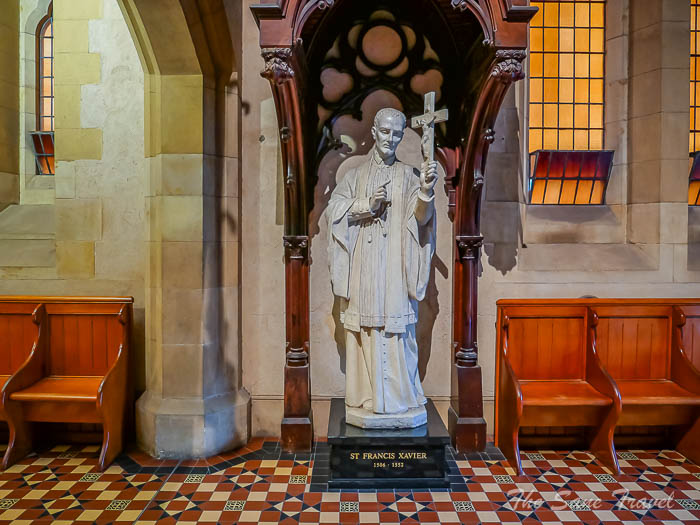
Location: 17–39 Wakefield Street.
3 Art Gallery of South Australia
Established in 1881, the Art Gallery of South Australia, also known as AGSA, houses an extensive collection of art from Australia, Europe, North America, and Asia. The collection features over 45,000 works of art, with a particular emphasis on Indigenous art, as well as Australia’s only Islamic gallery space. The gallery presents carefully curated exhibitions and displays that offer a unique journey through the history of art, from ancient times to the present day. Visitors can explore the galleries and discover new cultural and thematic perspectives on the artworks. The gallery is open 364 days a year, with free tours available at 11 am and 2 pm daily, and extended hours until 9 pm on the first Friday of every month.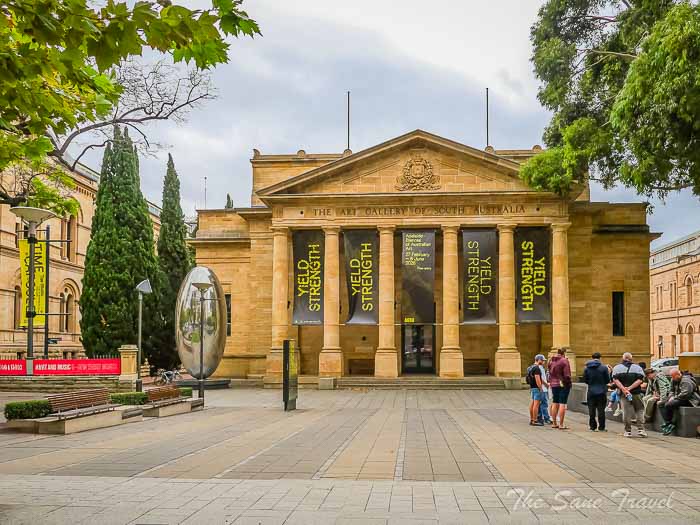
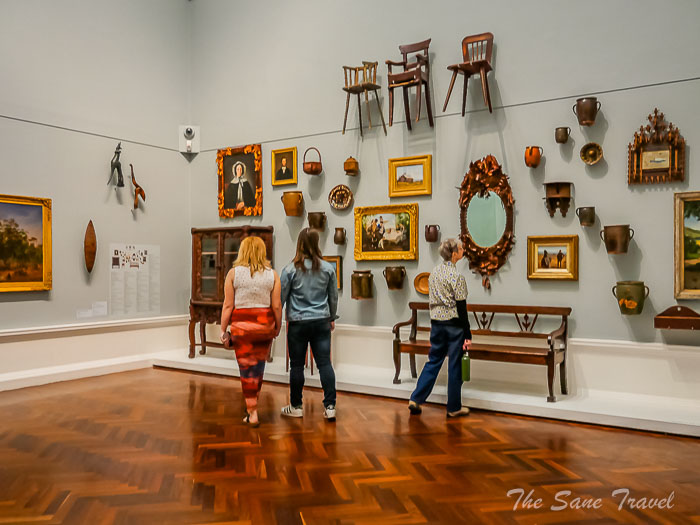
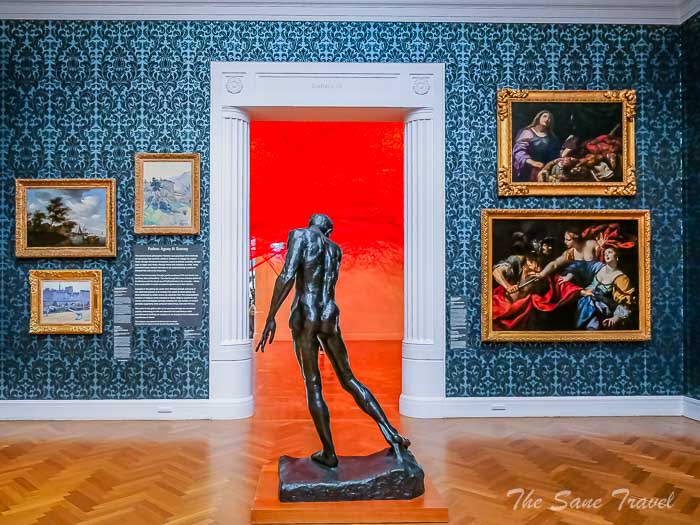
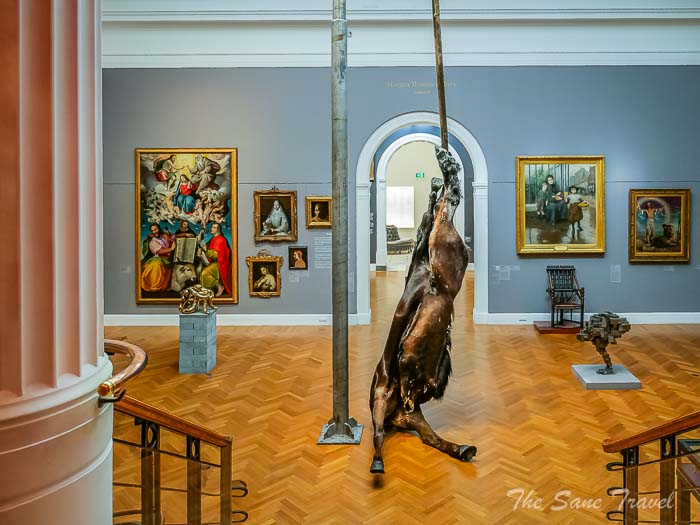
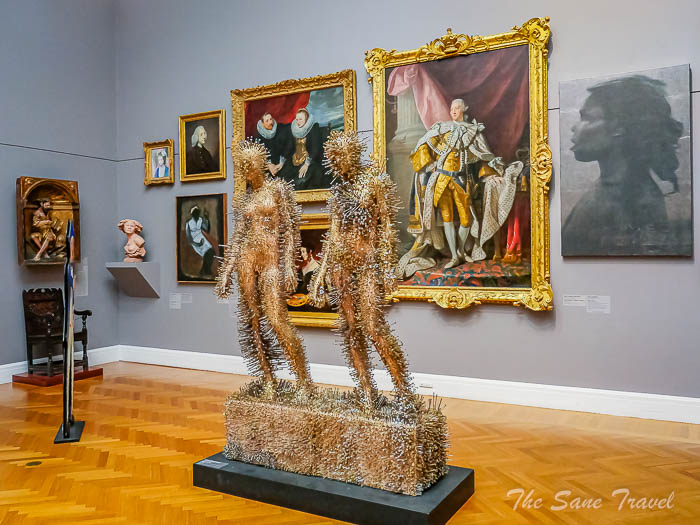
Location: 490 North Terrace
4 Mortlock Wing of State Library of South Australia
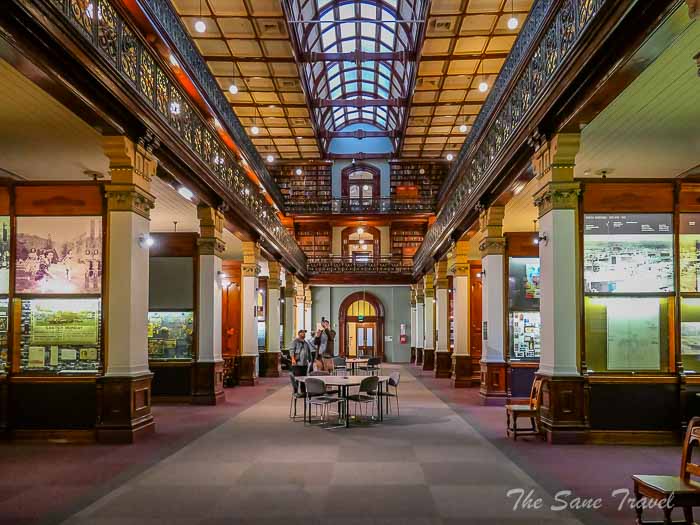
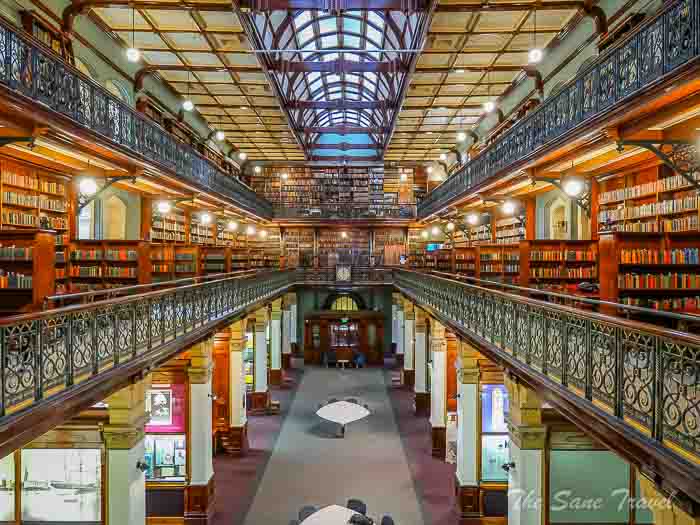
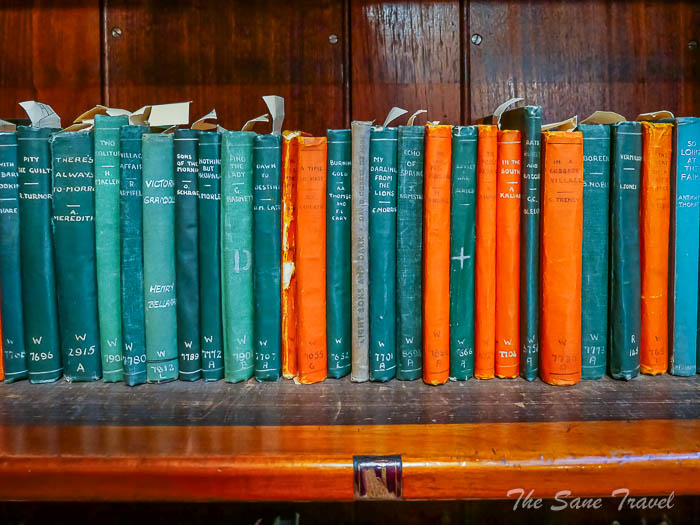
The Mortlock Wing, formerly known as the Jervois Wing, has been recognised as one of the world’s most beautiful libraries and is a popular tourist attraction in South Australia. It was opened in 1884 to house the Public Library, Museum, and Art Gallery. The interior of the Mortlock Wing is considered unique in South Australia and is regarded as the finest surviving mid-Victorian public library interior in Australia. The wing features two galleries with different architectural supports, balconies with ornate wrought-iron balustrades, and a glass-domed lantern roof that allows natural light to enter the chamber. Some original features, such as gas lamps and wallpaper, still exist in the building, and the furniture bears the original South Australian Institute (SAI) logo.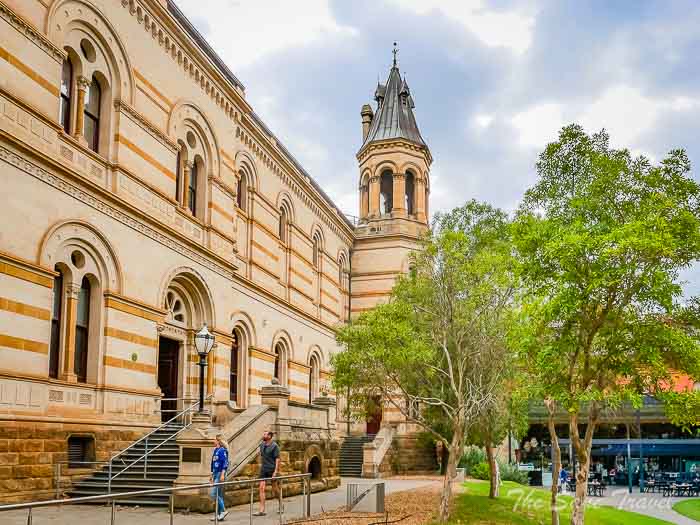
Location: North Terrace
5 SAHMRI building
The South Australian Health and Medical Research Institute (SAHMRI) building is an iconic facility spanning 25,000 square metres. It opened in 2013 with a $200 million price tag and features a distinctive eco-friendly glass facade. The building accommodates up to 700 medical researchers in its flexible, collaborative laboratory and office spaces. SAHMRI is considered a significant landmark in Adelaide, reshaping the western end of the city centre into a hub for health and medical research. Designed by Woods Bagot, the building maximises natural light and encourages collaboration through features such as atria, interconnecting spiral stairs, and open-plan zones.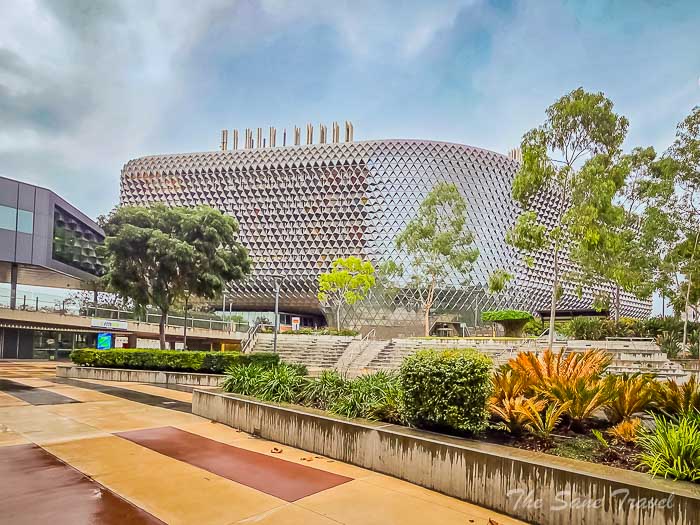
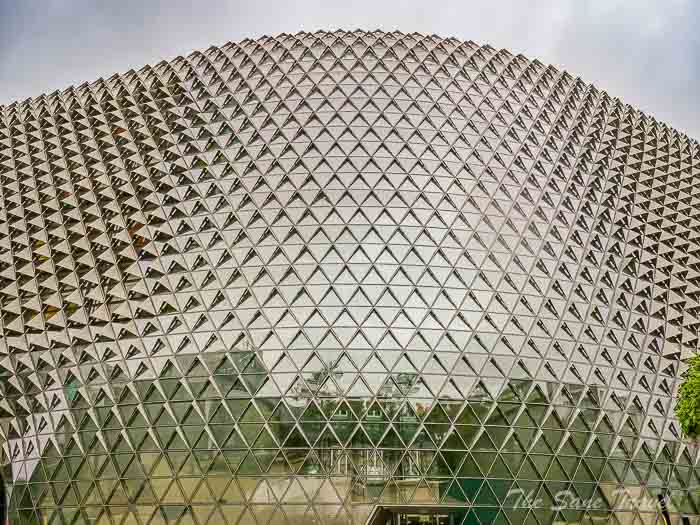
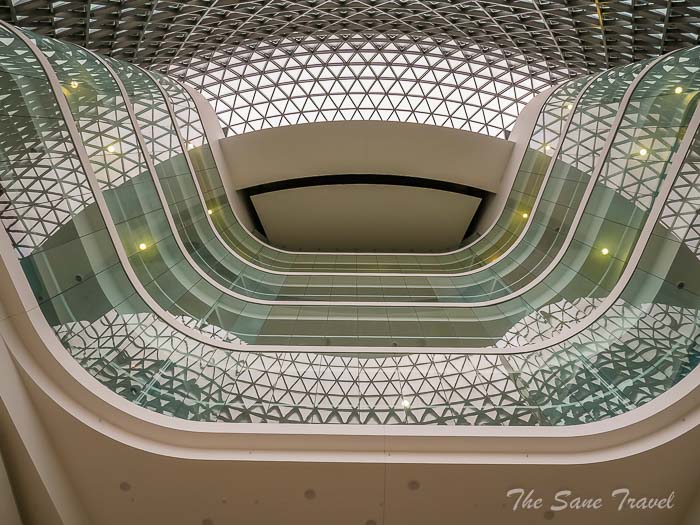
Location: North Terrace (within the Adelaide BioMed City precinct, adjacent to the Royal Adelaide Hospital).
6 Adelaide Botanic Garden
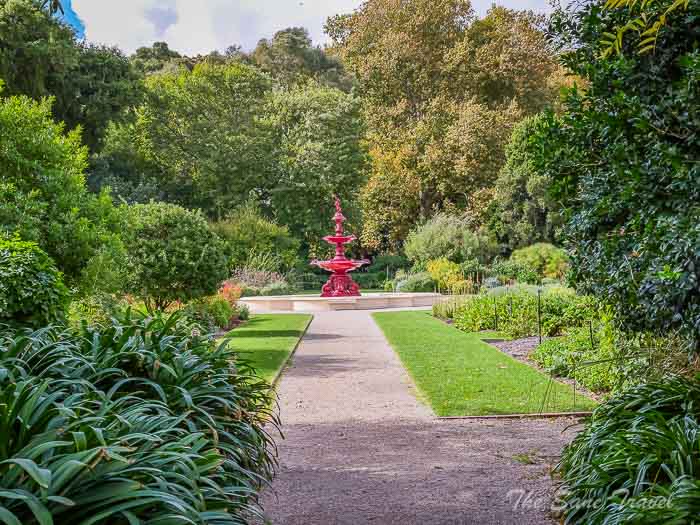
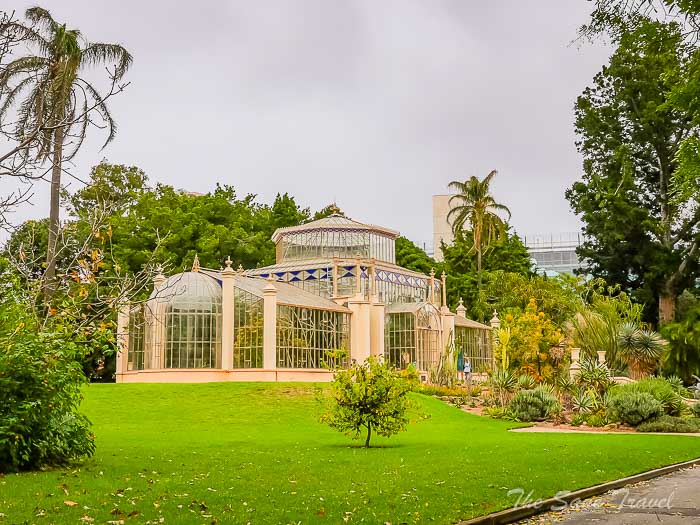
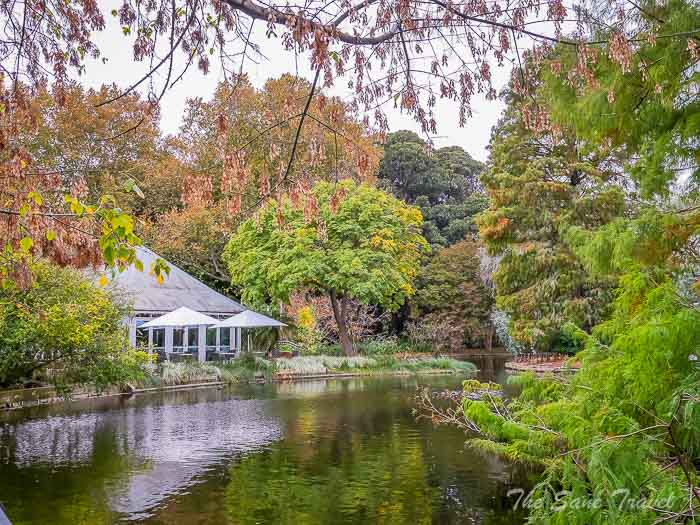
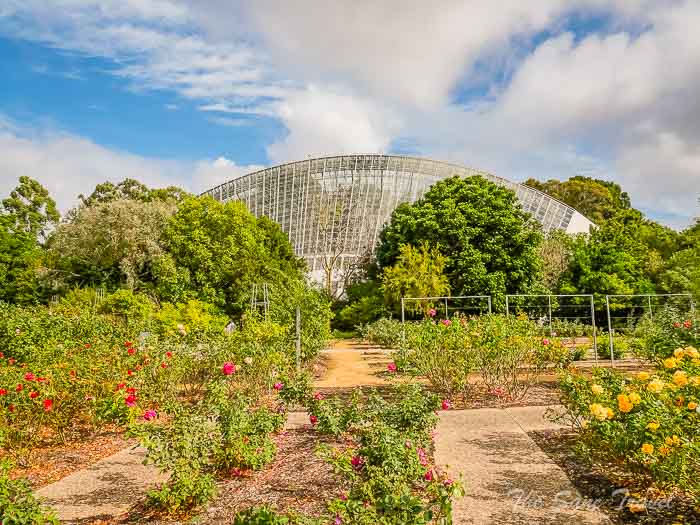
The expansive 50-hectare garden features a diverse collection of plants from Australia and beyond, set amidst picturesque landscapes and historic buildings. Visitors can meander through themed gardens such as the Rose Garden, Bicentennial Conservatory, Cactus and Succulent Garden, and Australian Native Garden. They can also explore the Madagascan collection inside the historic Palm House, which also houses a stunning glass chandelier by artist Dale Chihuly. The Amazon Waterlily Pavilion offers a tropical experience with giant lily pads and delicate blooms, while the Bicentennial Conservatory features lush rainforest plants beneath soaring glass. Dining options include the lakeside Botanic Lodge, Evergreen Deli near the Mediterranean Garden, and the award-winning Restaurant Botanic. The garden’s convenient location and tranquil atmosphere make it the perfect place to relax during your time in Adelaide.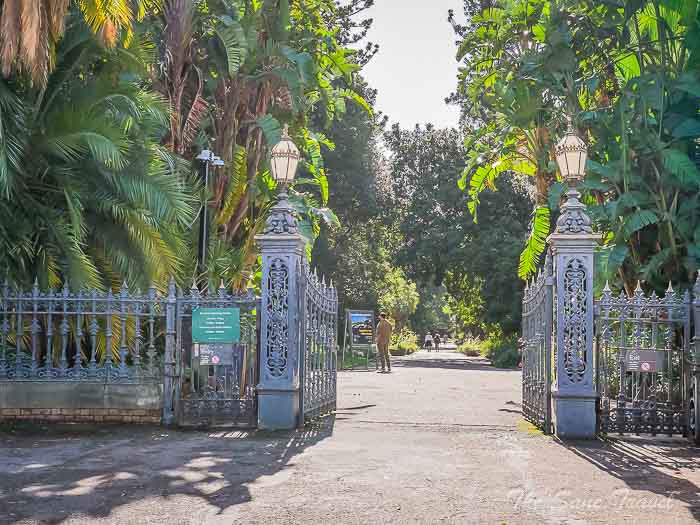
If you are a wine enthusiast, visit the National Wine Centre next to Botanic Garden.
7 National Wine Centre
The National Wine Centre offers a range of wine-related activities, from wine tastings and dining experiences to tours showcasing the Australian Wine Story. Visitors can learn about the history of Australian wine, the winemaking process, and the country’s wine regions. The Tasting Room features over 120 wines from 55 of Australia’s 65 wine regions. The Guided Tour allows visitors to delve into the history of Australian wine while sampling a cellar reserve selection chosen by the Sommelier Team. With its immersive experiences and celebration of Australian wine culture, the National Wine Centre is a popular destination for wine enthusiasts.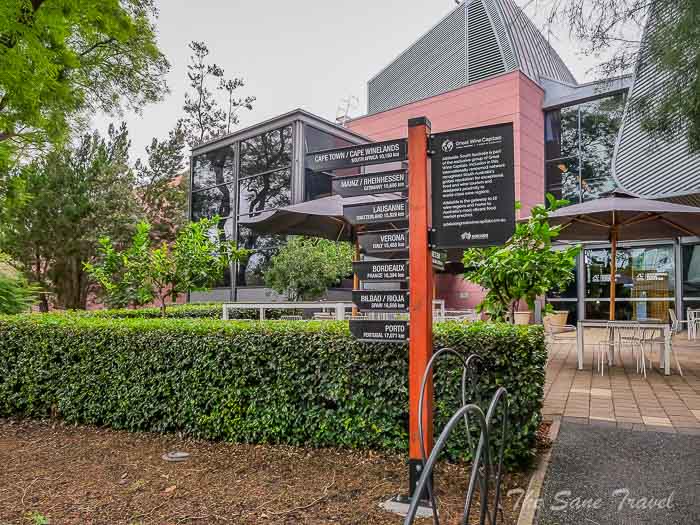
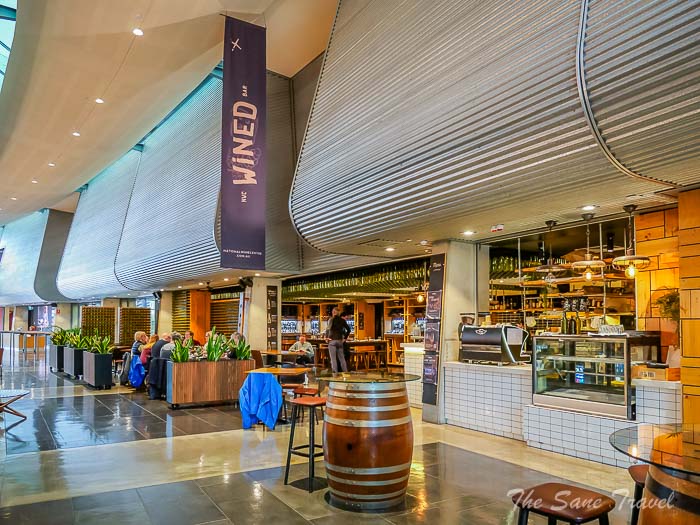
8 Light’s Vision
Light’s Vision is a lookout on Montefiore Hill in North Adelaide, featuring a life-size bronze statue of Colonel William Light, who is known as Adelaide’s founding father. In 1837, Colonel Light surveyed and selected the site for the City of Adelaide. The statue depicts Light in his military uniform, holding a map, as he overlooks the city he helped establish. Legend has it that the pose reflects the moment when Light declared Adelaide the ideal location for a city. Whether you enjoy history, nature, or panoramic views, a visit to Light’s Vision offers a charming experience that showcases Adelaide’s heritage.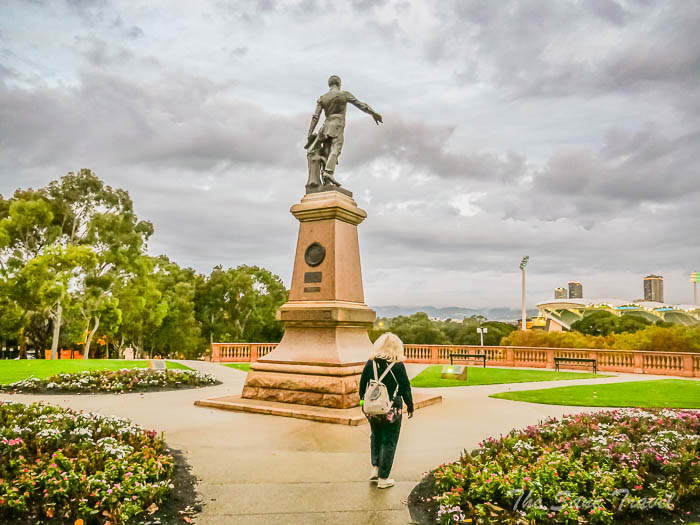
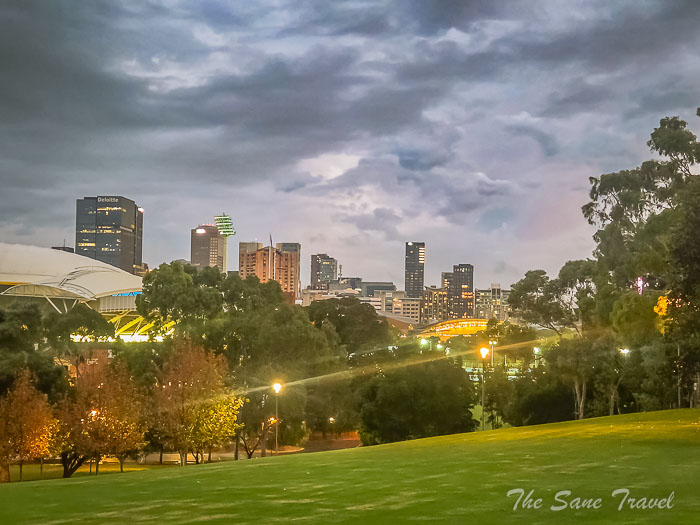
9 Street art in Adelaide
Adelaide is home to a diverse range of street art, from laneway murals to the large-scale works featured at the Wonderwalls festival in Port Adelaide. The city boasts more than 550 murals created by local and internationally recognised artists, including Vans the Omega and Adnate. Vibrant murals and striking portraits can be discovered throughout Adelaide, particularly in the southern part of the city centre. Visitors can explore the city’s laneways, hidden spots, and iconic buildings to admire these works, or join a guided street art tour for deeper insight into Adelaide’s art scene. Here is a selection of artworks I came across:
She knew the way by heart. Jasmine Crisp’s work uses transitions in time (day/night and past/present) to represent the continuous movement of local people, reflecting Adelaide’s lived experience “from then til now”.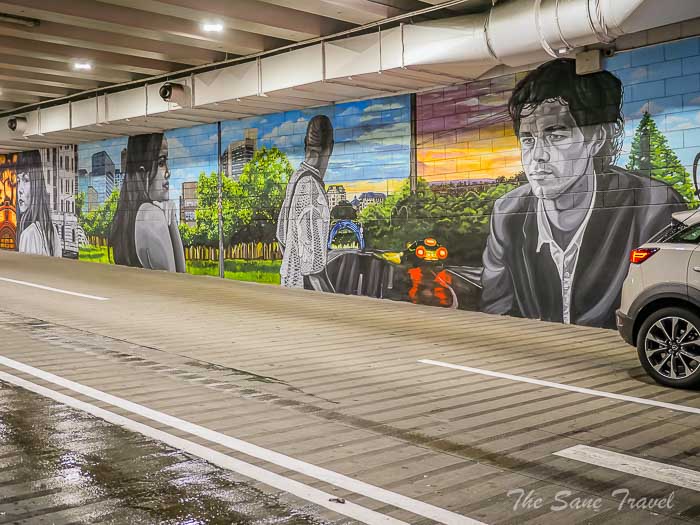
Location: north-eastern ground-floor entrance wall of the Rundle Place Carpark, 90–100 Grenfell Street.
Owl. Artist: Jimmy C. Location: 10 Vaughan Place, behind the café, towards Rundle Street.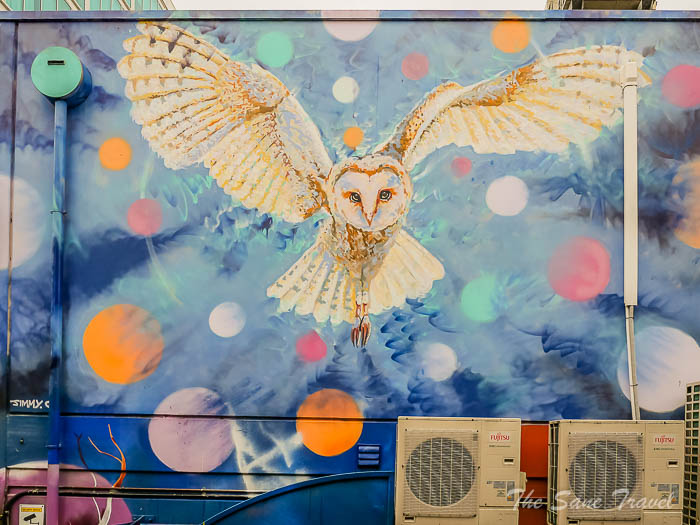
Zaluuokhin. Artist Fin Dac is known for his distinctive spray-paint portraits of Asian and other women from diverse ethnic backgrounds.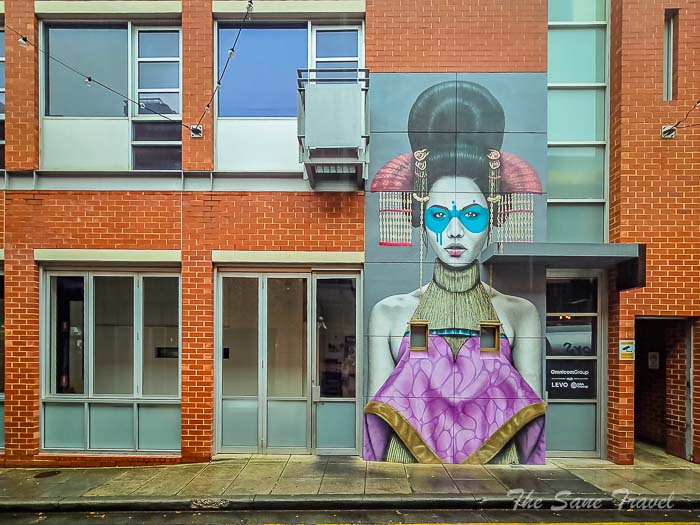
Location: 23-16 Vardon Ave.
The Alien Saturn. The original work, created in 1984, was reimagined in 1998 by a group of artists including David Bromley, Brettski, Andrew Parish, Andrew Petrusevics, and Barbary O’Brien. The updated version explores intergenerational connections while reflecting on the innocence and boundless creativity of childhood.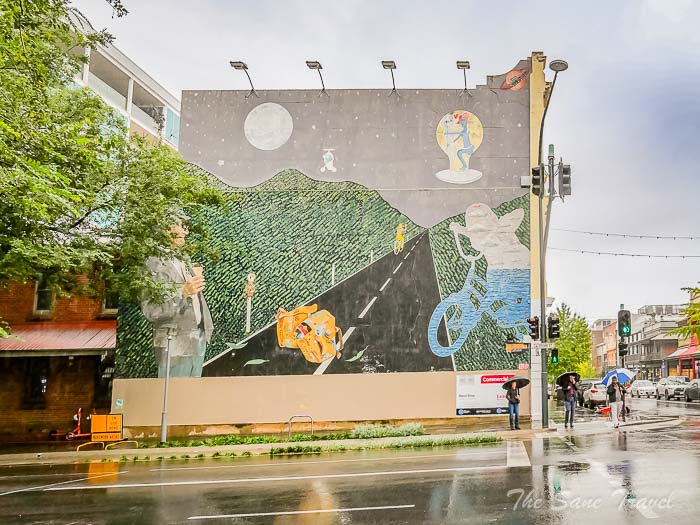
Location: 30 Frome Street, at the corner of Rundle Street.
Stevie Goldsmith. This painting depicts respected elder Stephen “Gadlabarti” Goldsmith of the Kaurna and Narungga communities and was created by Elizabeth Close Arts and Jimmy C. The patterns represent the colours of the South Australian coastline, while the golden tones reference his Kaurna name, meaning “native bee”.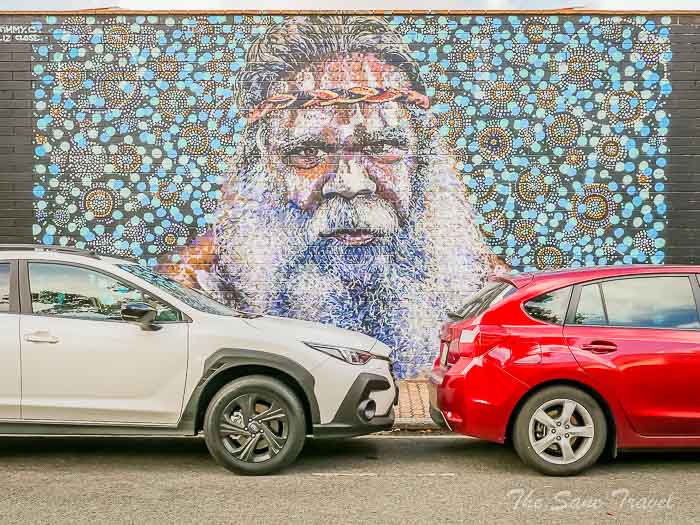
Location: 63A Wright Street
She Imagined Buttons. The Sia Furler Lane mural by Jasmine Crisp was the first mural created for Adelaide’s City Music Laneway. Crisp explains that her depiction of the Adelaide-born singer reflects her personal experience of Sia’s 2011 performance.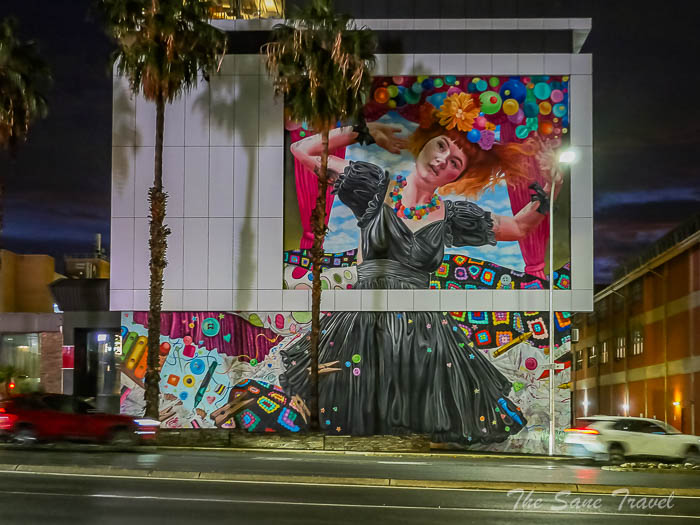
10 Shopping experience at Rundle Mall
Rundle Mall offers a unique shopping experience with over 700 stores, public art, and even a few ghostly tales. Originally closed to cars in 1976, this pedestrian mall has become the heart of Adelaide, blending a century of history with modern entertainment. The mall features a mix of well-known department stores, including Myer and David Jones, alongside boutique retailers, making it one of Adelaide’s premier shopping destinations.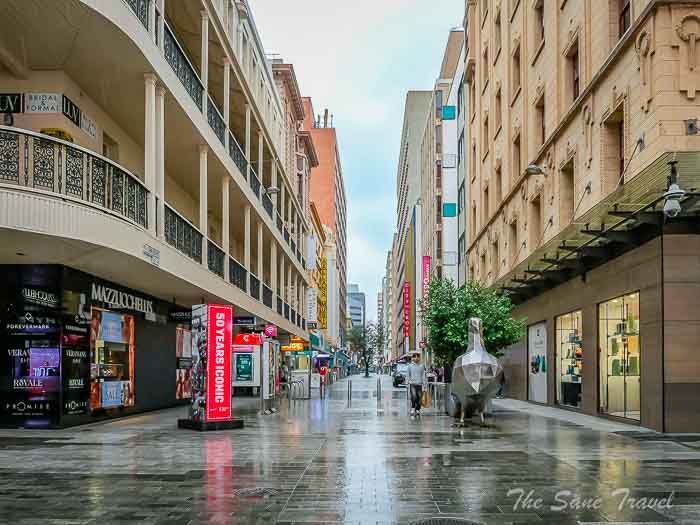
Beyond shopping, Rundle Mall is home to historic arcades such as Adelaide Arcade and Regent Arcade, as well as public artworks including Marguerite Derricourt’s bronze pig sculptures and Bert Flugelman’s The Spheres.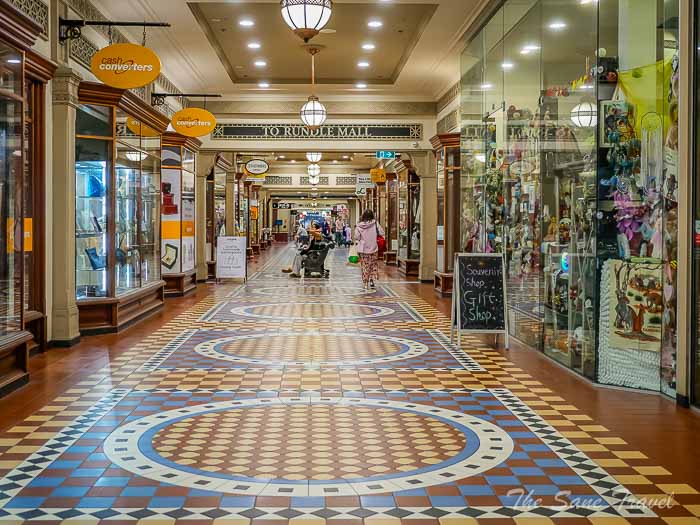
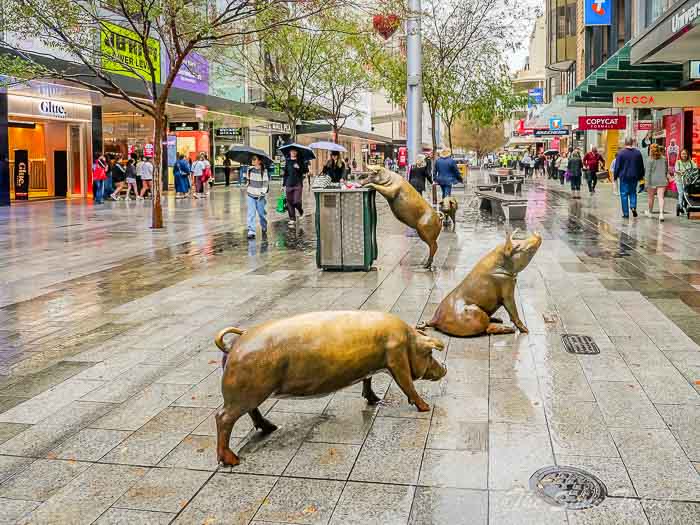
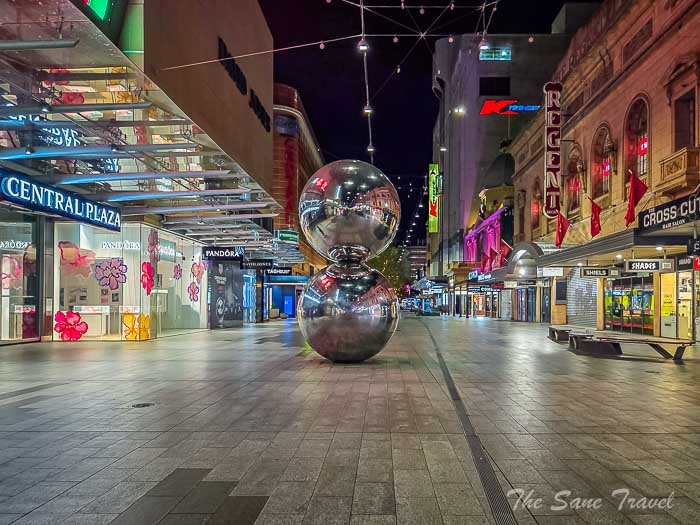 Visitors can also enjoy the Rundle Lantern light show, outdoor dining, and street performances. Opening hours may vary, so be sure to check with individual retailers and restaurants before visiting.
Where to stay in Adelaide
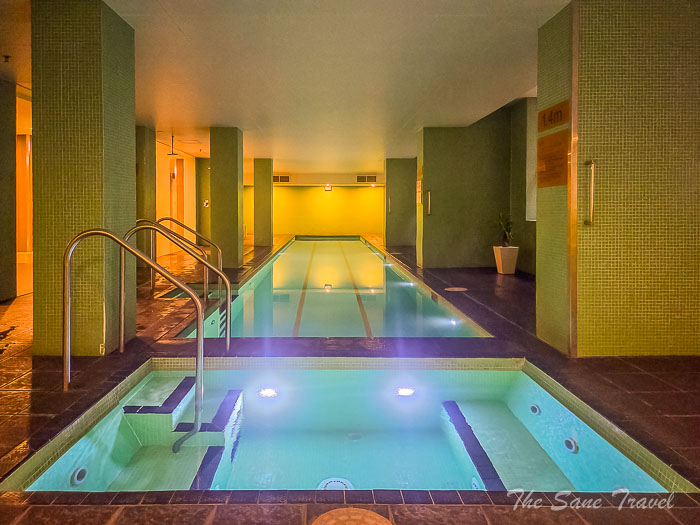
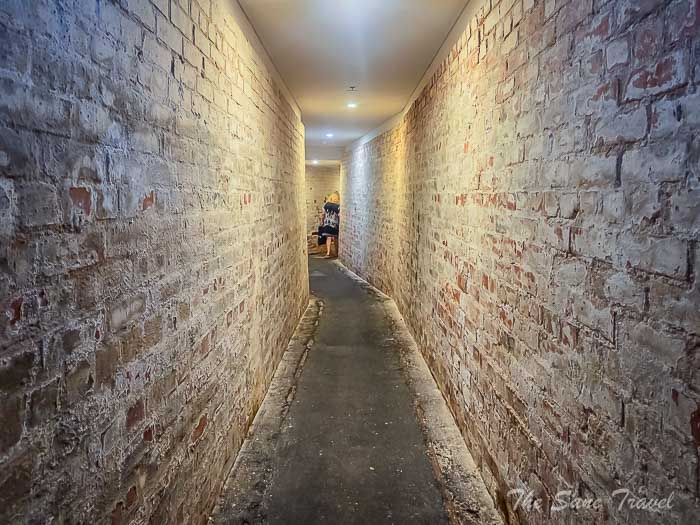
I stayed at the Adina Apartment Hotel Adelaide Treasury, a gorgeous 4.5-star heritage hotel on Victoria Square in Adelaide’s city centre. Housed in the historic former Treasury Building, it perfectly blends rich history with modern comfort. My self-contained apartment was a true home from home, complete with a kitchenette and free Wi-Fi. During my stay, I enjoyed exploring the underground tunnels, swimming in the indoor pool, and dining at the on-site Treasury 1860 restaurant. The location is also hard to beat, with the Victoria Square tram stop just a three-minute walk away and the airport only an 18-minute drive away.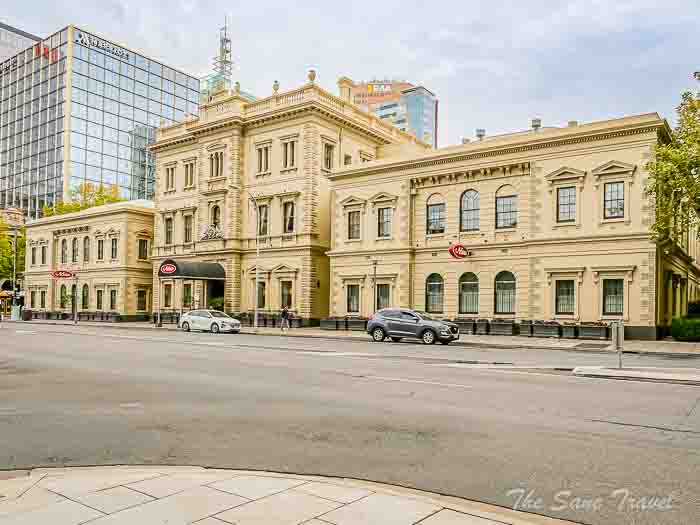
.JPG)
When to visit Adelaide
Adelaide experiences a Mediterranean climate characterised by warm, dry summers and mild, wet winters. Overall, the weather is generally pleasant throughout the year, with occasional hot days in January. The highest air temperature ever officially recorded in Adelaide was 46.6°C, observed on 24 January 2019. April is widely considered the best month to visit Adelaide, thanks to its mild temperatures (around 20–24°C / 68–75°F), beautiful autumn foliage in the surrounding wine regions, and fewer visitors than during the busy summer season.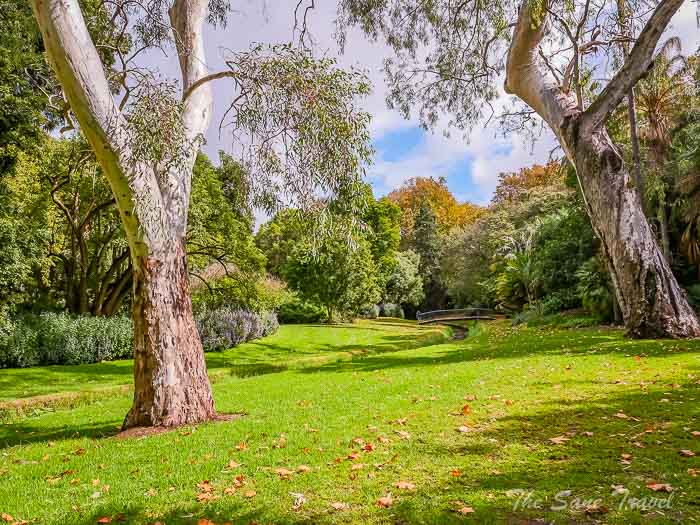 However, the ideal time to visit ultimately depends on your interests and the activities you plan to do.
Where to go next
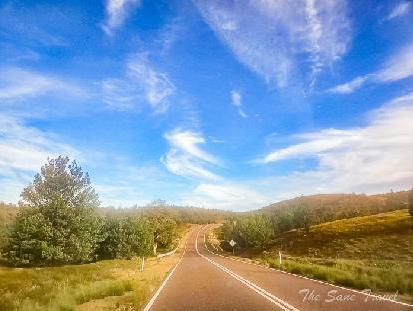
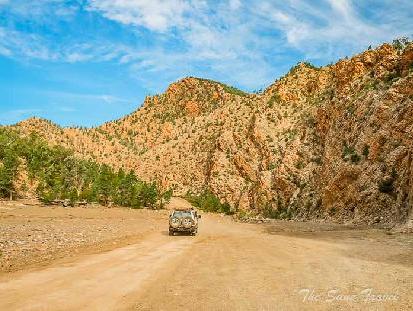
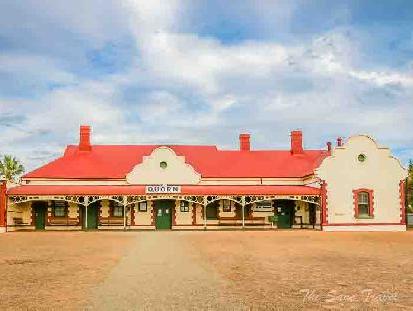
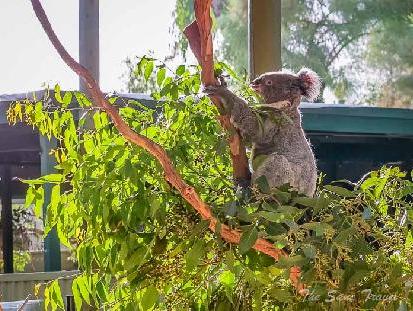
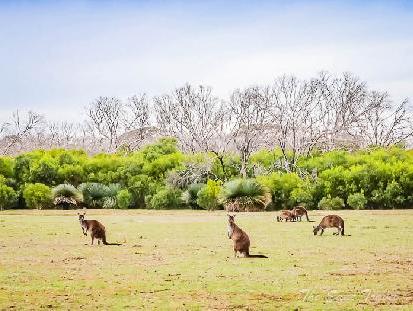
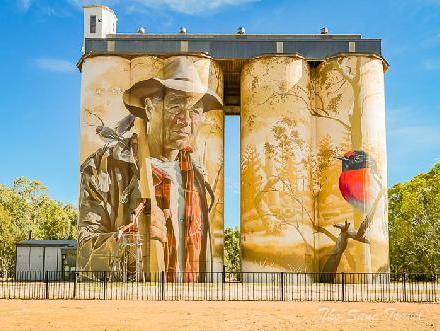
Embarking on a South Australian road trip from Adelaide? Then you absolutely must follow my lead and venture to the stunning Kangaroo Island, the picturesque Clare Valley, and the rugged beauty of the Flinders Ranges, making sure to include a stop in Quorn. Be sure to keep an eye out for artwork on silos and water towers as you travel.
Like it? Pin it! 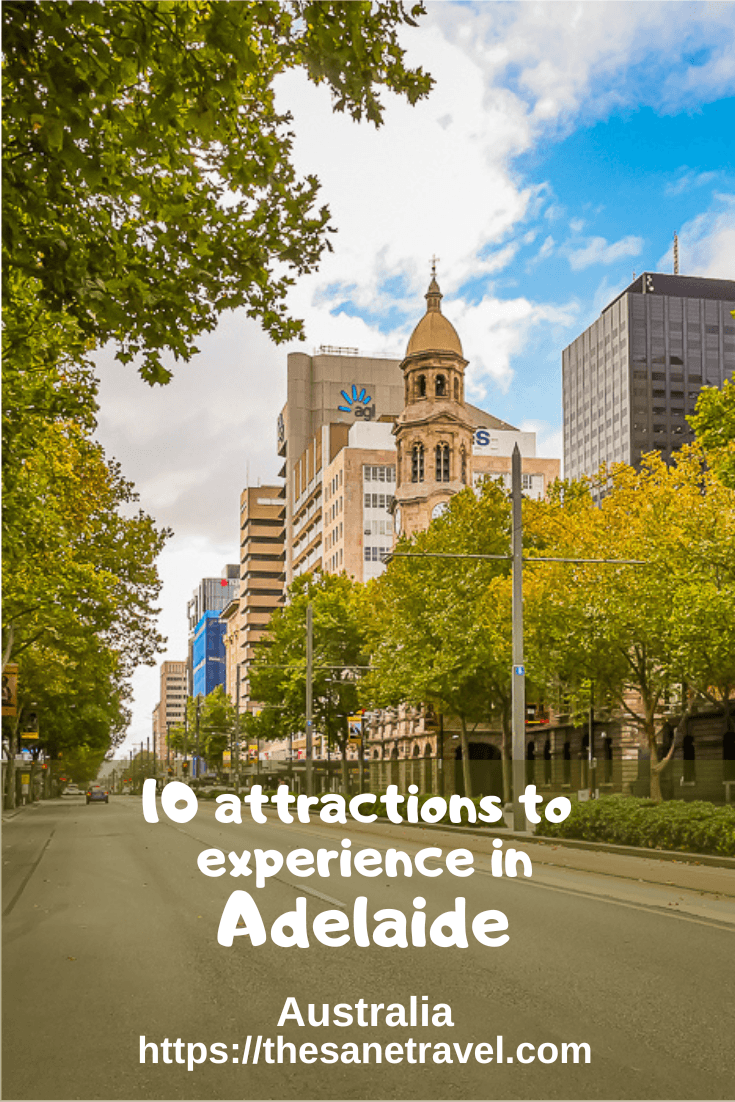
What did you think? Have you visited Adelaide? I would love to hear from you, so please add your comment below.
Author: Anita Sane

About the author
Anita is a part-time traveller, passionate photographer and a retired career woman from Latvia, travelling mostly solo for more than 15 years. She is a skilled travel planner who plans and executes her travels by herself. Anita wants to show you how to travel the world and open your mind to new experiences. Follow her on Facebook, Instagram, Pinterest, Twitter and Bloglovin.
Report
My comments